Skip to content
Vilar Formoso

Vilar Formoso

"Frontier memory site linked to Sephardic crossings after 1492 and to refugees who entered Portugal through Vilar Formoso in 1940."

Back to Map

Vilar Formoso is not best understood as a conventional medieval Jewish quarter with a clearly delimited urban fabric. Its Jewish significance is stronger as a frontier of passage, refuge and memory. Local historiography associates the area, especially Rua da Moureirinha, with the arrival of Jews expelled from Castile after 1492. Even so, the surviving evidence requires caution. The place should be presented as a frontier site of Jewish memory, not as a fully documented “judiaria” in the same sense as Guarda, Trancoso or Castelo de Vide.

Vilar Formoso and the 1492 frontier

The border position of Vilar Formoso gave it historical importance long before the twentieth century. After the Alhambra Decree of 1492, Jews leaving the kingdoms of Castile and León crossed into Portugal through several frontier points. Vilar Formoso is remembered in this context as one of the passages used by refugees entering the Beira Interior. This memory links the locality to the wider Sephardic displacement that transformed Portugal’s Jewish demography at the end of the fifteenth century.

The references to Rua da Moureirinha are important, but they should not be overstated. They suggest a local tradition and a line of research connected to Jewish settlement or presence after 1492. However, without stronger archaeological, archival or architectural documentation, it is more accurate to describe this as a remembered Jewish area rather than a confirmed medieval judiaria.

From Sephardic passage to Holocaust refuge

Vilar Formoso became internationally significant again during the Second World War. In 1940, thousands of refugees fleeing Nazi persecution crossed Spain and entered Portugal through this frontier, many of them by train or by car. For Jewish refugees, Portugal was often not the final destination, but a transit country from which they hoped to reach Lisbon and then leave for the Americas or other places of safety.

This route is closely connected to Aristides de Sousa Mendes, the Portuguese consul in Bordeaux. In June 1940, he issued visas to refugees against the restrictive orders of the Estado Novo government. His action allowed many people, including Jews, to cross Spain and reach Portugal. Yad Vashem later recognized him as Righteous Among the Nations in 1966.

Vilar Formoso Frontier of Peace

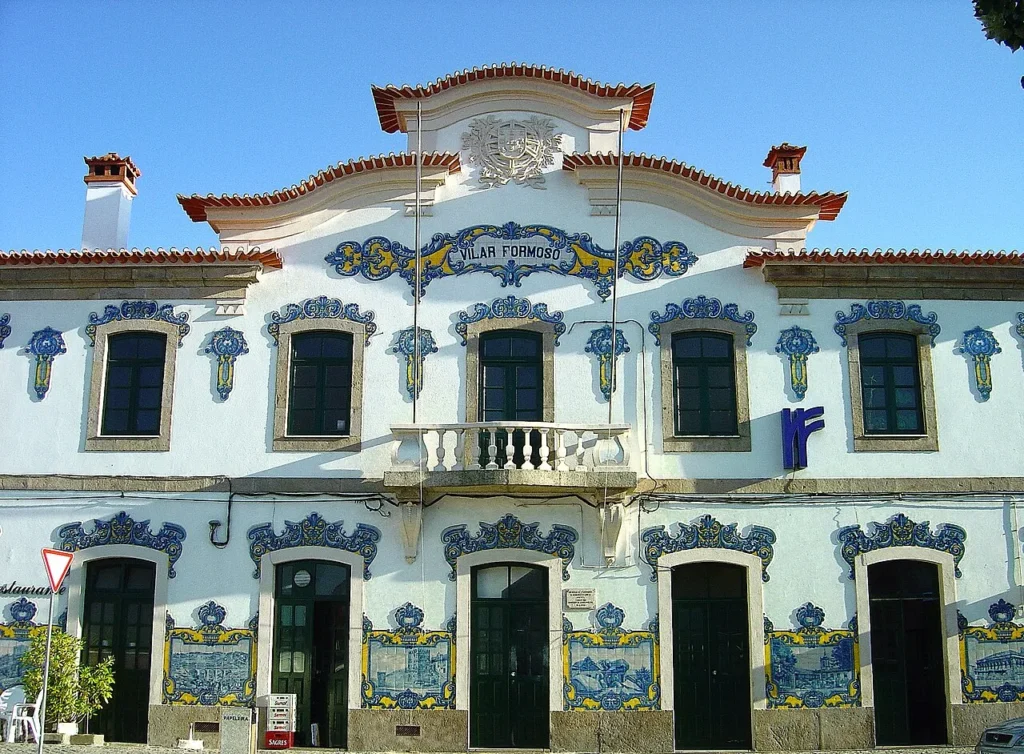
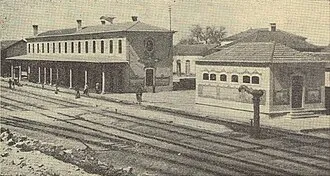
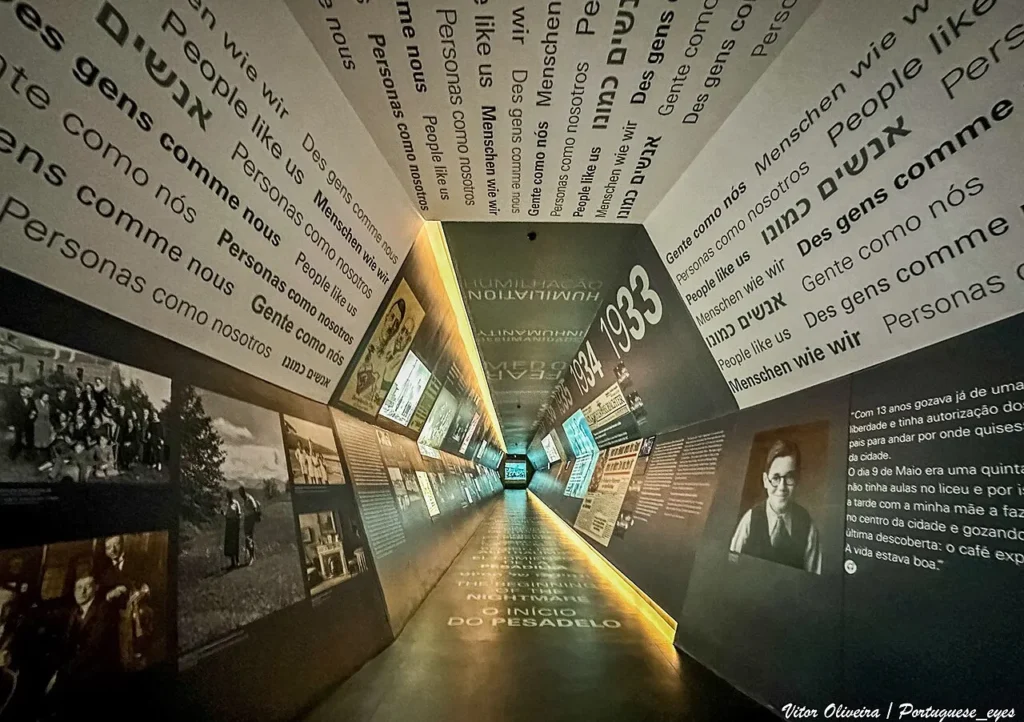
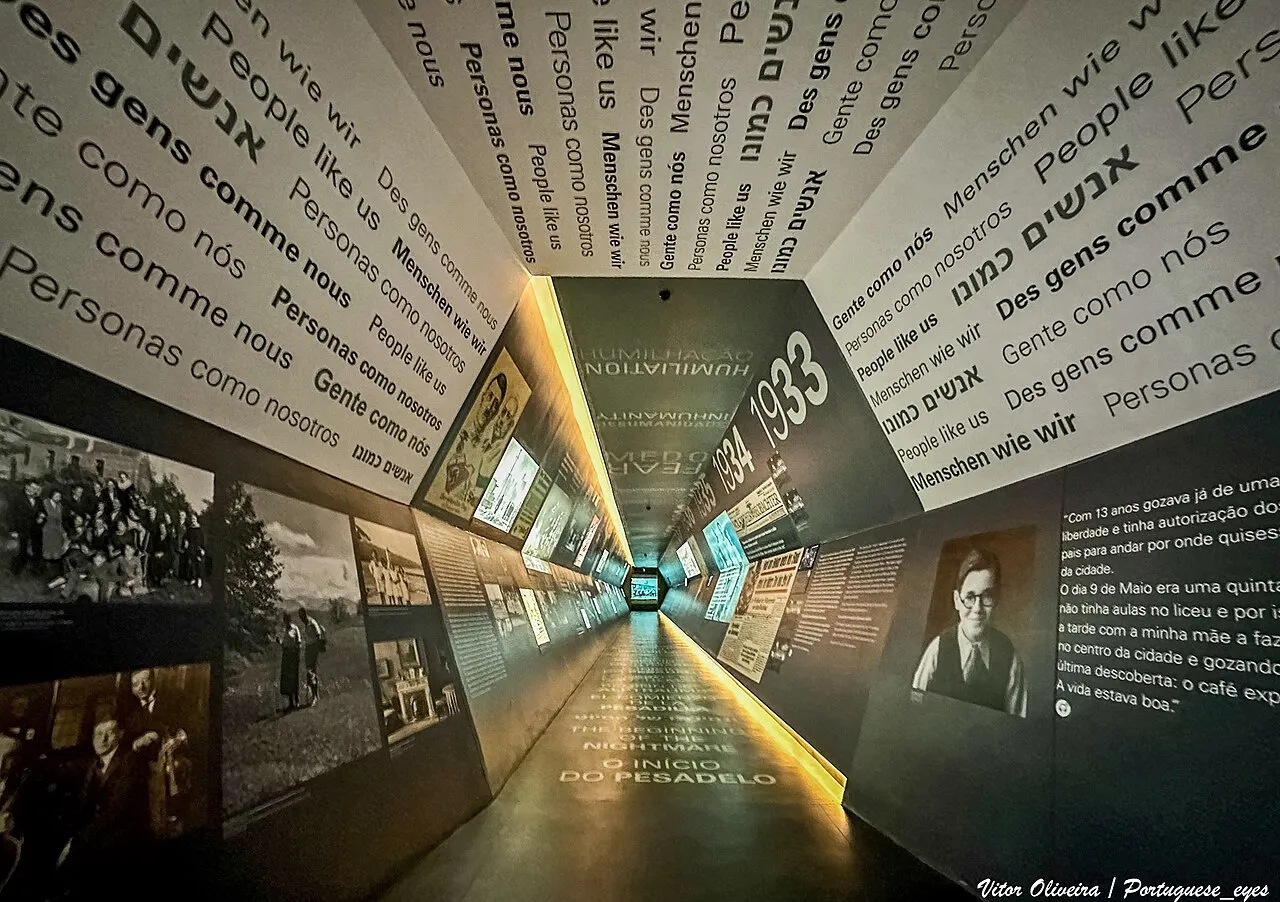
Today, this memory is preserved through the museum “Vilar Formoso Fronteira da Paz, Memorial aos Refugiados e ao Cônsul Aristides de Sousa Mendes.” The museum is installed at the Vilar Formoso railway station, in two former railway warehouses. It was inaugurated on 26 August 2017 and presents six exhibition sections dedicated to the refugee experience, from the beginning of persecution to arrival in Portugal and departure toward new destinations.

The museum’s curatorial structure gives Vilar Formoso a precise place within Portuguese and European memory of the Holocaust. It does not transform the village into a symbolic abstraction. Instead, it anchors the story in the material reality of borders, trains, documents, visas, waiting, fear and uncertain passage. In this sense, Vilar Formoso is one of Portugal’s most important Jewish memory sites, not because it preserves a major medieval judiaria, but because it marks two moments of displacement: the Sephardic crisis of 1492 and the refugee crossings of 1940.

Gallery
Article researched and curated by Jew Where.

The Jew Where project is collaborative. Do you have additional information, found an inaccuracy, or have historical photos of this location? Contact our team.
Vilar Formoso
Portugal / Guarda / Memory & Holocaust

Vilar Formoso

"Frontier memory site linked to Sephardic crossings after 1492 and to refugees who entered Portugal through Vilar Formoso in 1940."

Location
Largo da Estação, 6355 Vilar Formoso, Almeida, Guarda, Portugal
Opening Hours
Tuesday-Friday: 09:00-12:30, 14:00-17:30; Saturday-Sunday and public holidays: 10:00-12:30, 14:00-17:30; Monday: Closed; November 1: Closed; December 24-25: Closed; January 1: Closed

Vilar Formoso is not best understood as a conventional medieval Jewish quarter with a clearly delimited urban fabric. Its Jewish significance is stronger as a frontier of passage, refuge and memory. Local historiography associates the area, especially Rua da Moureirinha, with the arrival of Jews expelled from Castile after 1492. Even so, the surviving evidence requires caution. The place should be presented as a frontier site of Jewish memory, not as a fully documented “judiaria” in the same sense as Guarda, Trancoso or Castelo de Vide.

Vilar Formoso and the 1492 frontier

The border position of Vilar Formoso gave it historical importance long before the twentieth century. After the Alhambra Decree of 1492, Jews leaving the kingdoms of Castile and León crossed into Portugal through several frontier points. Vilar Formoso is remembered in this context as one of the passages used by refugees entering the Beira Interior. This memory links the locality to the wider Sephardic displacement that transformed Portugal’s Jewish demography at the end of the fifteenth century.

The references to Rua da Moureirinha are important, but they should not be overstated. They suggest a local tradition and a line of research connected to Jewish settlement or presence after 1492. However, without stronger archaeological, archival or architectural documentation, it is more accurate to describe this as a remembered Jewish area rather than a confirmed medieval judiaria.

From Sephardic passage to Holocaust refuge

Vilar Formoso became internationally significant again during the Second World War. In 1940, thousands of refugees fleeing Nazi persecution crossed Spain and entered Portugal through this frontier, many of them by train or by car. For Jewish refugees, Portugal was often not the final destination, but a transit country from which they hoped to reach Lisbon and then leave for the Americas or other places of safety.

This route is closely connected to Aristides de Sousa Mendes, the Portuguese consul in Bordeaux. In June 1940, he issued visas to refugees against the restrictive orders of the Estado Novo government. His action allowed many people, including Jews, to cross Spain and reach Portugal. Yad Vashem later recognized him as Righteous Among the Nations in 1966.

Vilar Formoso Frontier of Peace

Today, this memory is preserved through the museum “Vilar Formoso Fronteira da Paz, Memorial aos Refugiados e ao Cônsul Aristides de Sousa Mendes.” The museum is installed at the Vilar Formoso railway station, in two former railway warehouses. It was inaugurated on 26 August 2017 and presents six exhibition sections dedicated to the refugee experience, from the beginning of persecution to arrival in Portugal and departure toward new destinations.

The museum’s curatorial structure gives Vilar Formoso a precise place within Portuguese and European memory of the Holocaust. It does not transform the village into a symbolic abstraction. Instead, it anchors the story in the material reality of borders, trains, documents, visas, waiting, fear and uncertain passage. In this sense, Vilar Formoso is one of Portugal’s most important Jewish memory sites, not because it preserves a major medieval judiaria, but because it marks two moments of displacement: the Sephardic crisis of 1492 and the refugee crossings of 1940.

Timeline

  • 1492 Jews expelled from Castile and León crossed into Portugal through frontier routes remembered around Vilar Formoso.
  • June 1940 Aristides de Sousa Mendes issued visas in Bordeaux contrary to Estado Novo restrictions, enabling many refugees, including Jews, to enter Portugal.
  • 1940 Thousands of refugees fleeing Nazi persecution entered Portugal through Vilar Formoso by train or car.
  • 18 October 1966 Yad Vashem recognized Aristides de Sousa Mendes as Righteous Among the Nations.
  • 26 August 2017 Vilar Formoso Fronteira da Paz, Memorial aos Refugiados e ao Cônsul Aristides de Sousa Mendes, was inaugurated at the railway station.

Sources & Bibliography

  1. MUNICÍPIO DE ALMEIDA. Vilar Formoso Fronteira da Paz. Local: Vilar Formoso. Editora: Município de Almeida. Ano: n.d. https://vilarformosofronteiradapaz.cm-almeida.pt
  2. IP PATRIMÓNIO. Memorial a Aristides Sousa Mendes. Local: Vilar Formoso. Editora: Infraestruturas de Portugal. Ano: n.d. https://www.ippatrimonio.pt/pt-pt/referencias-ipp/memorial-aristides-sousa-mendes
  3. SOUSA MENDES FOUNDATION. Vilar Formoso — Frontier of Peace. Editora: Sousa Mendes Foundation. Ano: n.d. https://sousamendesfoundation.org/vilar-formoso-frontier-of-peace
  4. YAD VASHEM. Aristides De Sousa Mendes. The Righteous Among the Nations. Local: Jerusalem. Editora: Yad Vashem. Ano: n.d. https://www.yadvashem.org/righteous/stories/mendes.html
  5. TUR4ALL. Vilar Formoso Fronteira da Paz | Memorial aos Refugiados e ao Cônsul Aristides de Sousa Mendes. Editora: TUR4all. Ano: n.d. https://www.tur4all.com/resources/vilar-formoso-fronteira-da-paz-memorial-aos-refugiados-e-ao-consul-aristides-de-sousa-mendes
  6. RTP. Visita Guiada: Vilar Formoso Fronteira da Paz - Memorial aos Refugiados e ao Cônsul Aristides de Sousa Mendes. Editora: Rádio e Televisão de Portugal. Ano: 2018. https://www.rtp.pt/play/p4530/e346482/visita-guiada

Additional Information

Official website: https://vilarformosofronteiradapaz.cm-almeida.pt
Phone: +351 271 149 459
Facebook: https://www.facebook.com/Municpio-de-Almeida-351724385031464
YouTube: https://www.youtube.com/channel/UCI9TZk7xpSc79FiHTWX_cEg
Location note: The public memorial is housed at the Vilar Formoso railway station; Rua da Moureirinha should be treated as a remembered Jewish area, not as a confirmed delimited medieval judiaria.

Article researched and curated by Jew Where.

The Jew Where project is collaborative. Do you have additional information, found an inaccuracy, or have historical photos of this location? Contact our team.