Skip to content
Silves Jewish Quarter

Silves Jewish Quarter

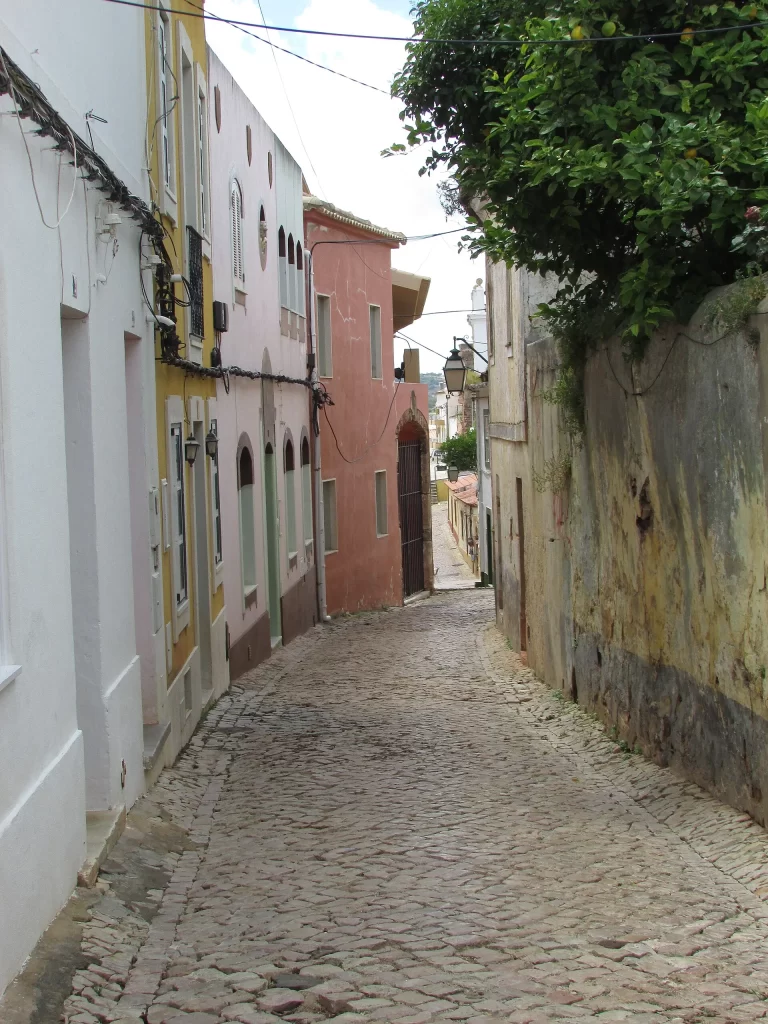
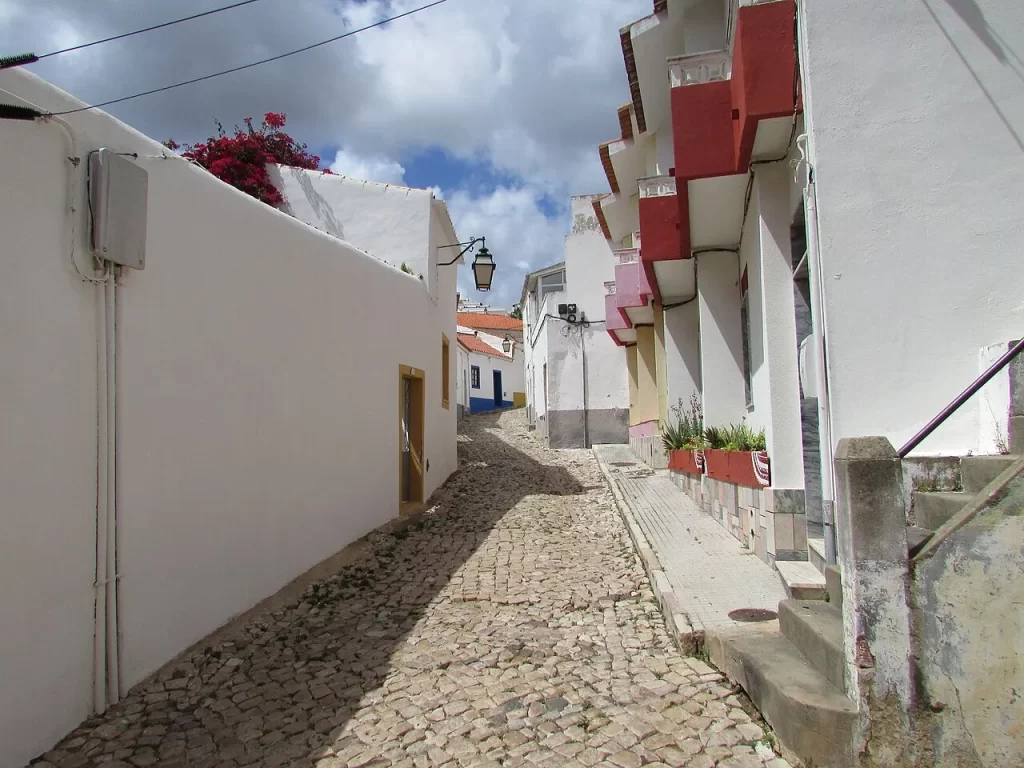
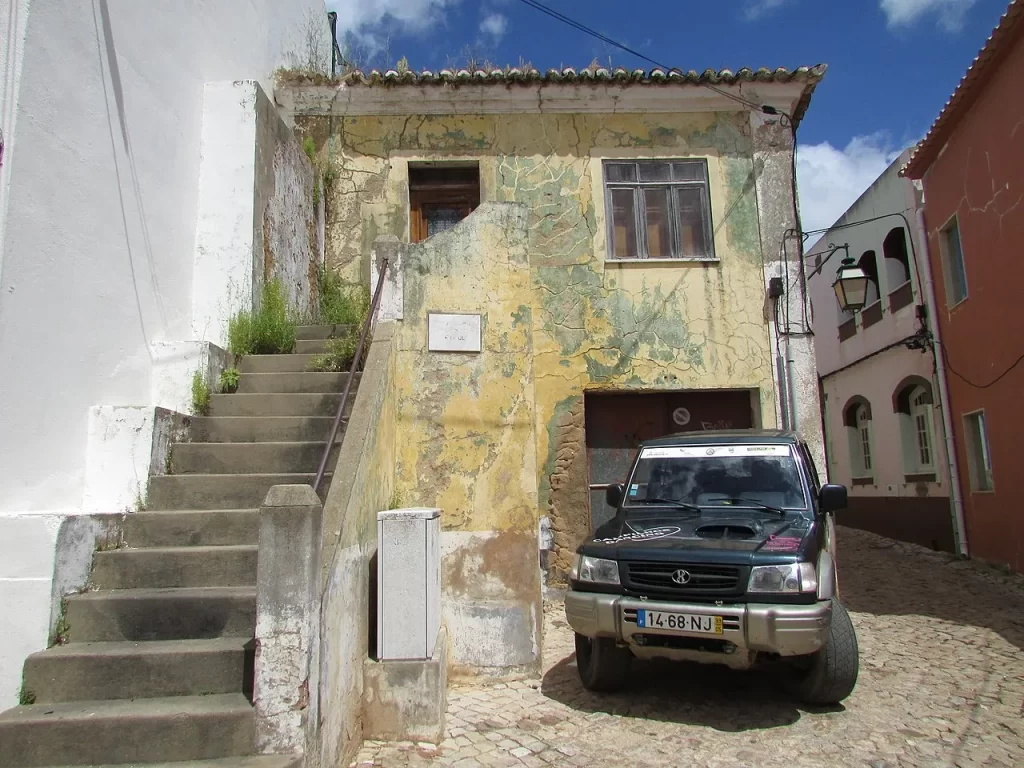
"Intramural area near Porta de Loulé linked to Silves’s medieval judiaria, documented through 14th and 15th century royal and fiscal records."

Back to Map

The Jewish Community of Silves appears as a recognized institution confirmed by royal authority throughout the fourteenth century, with records of confirmations of privileges in 1359, 1366, and 1396. This sequence indicates formal continuity of the community as a collective body with its own legal status.

In the fifteenth century, Jewish presence is closely linked to the fiscal and administrative functioning of the city. On 23 April 1474, a petition records Isaac Alferce, customs receiver of Silves, demanding the payment of the tithe on olive oil, with a dispute over where the tax should be delivered and naming the parties involved, Fernam de San Lucar, Sem Tob Abroz, and the royal finance overseer Rui Valente. On 12 March 1482, a letter confirms Pero Feio as clerk of the toll office and also of the Jewish and Muslim communities of the city, a clear sign that these communal bodies maintained their own records and administrative routines within everyday fiscal life.

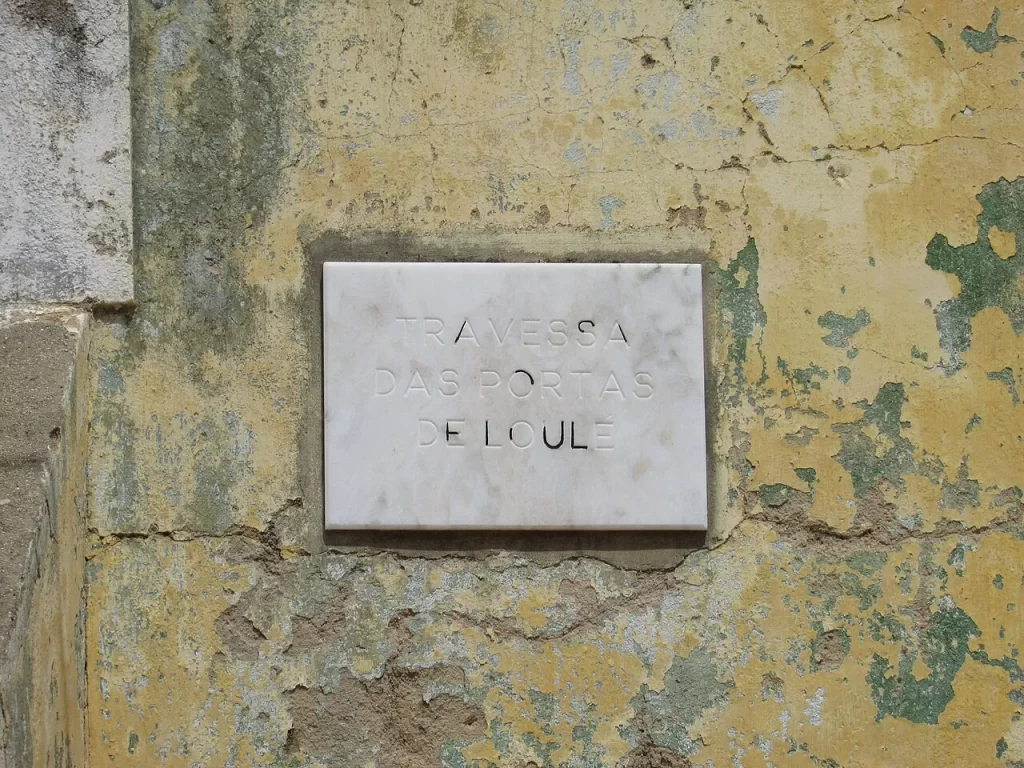
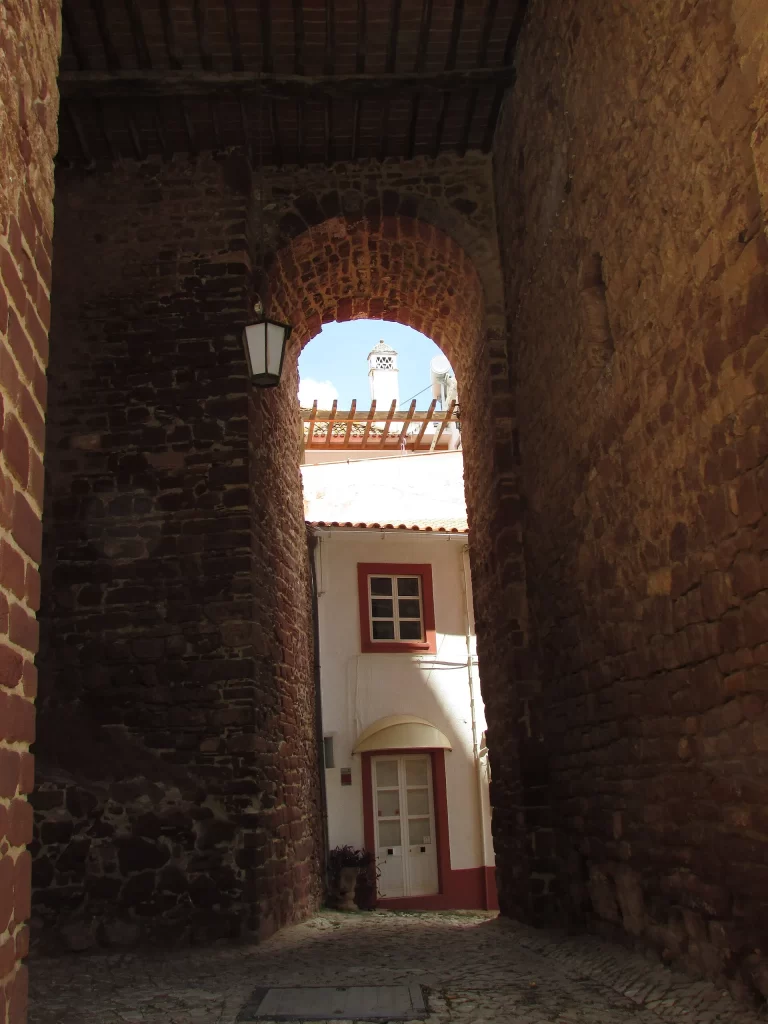
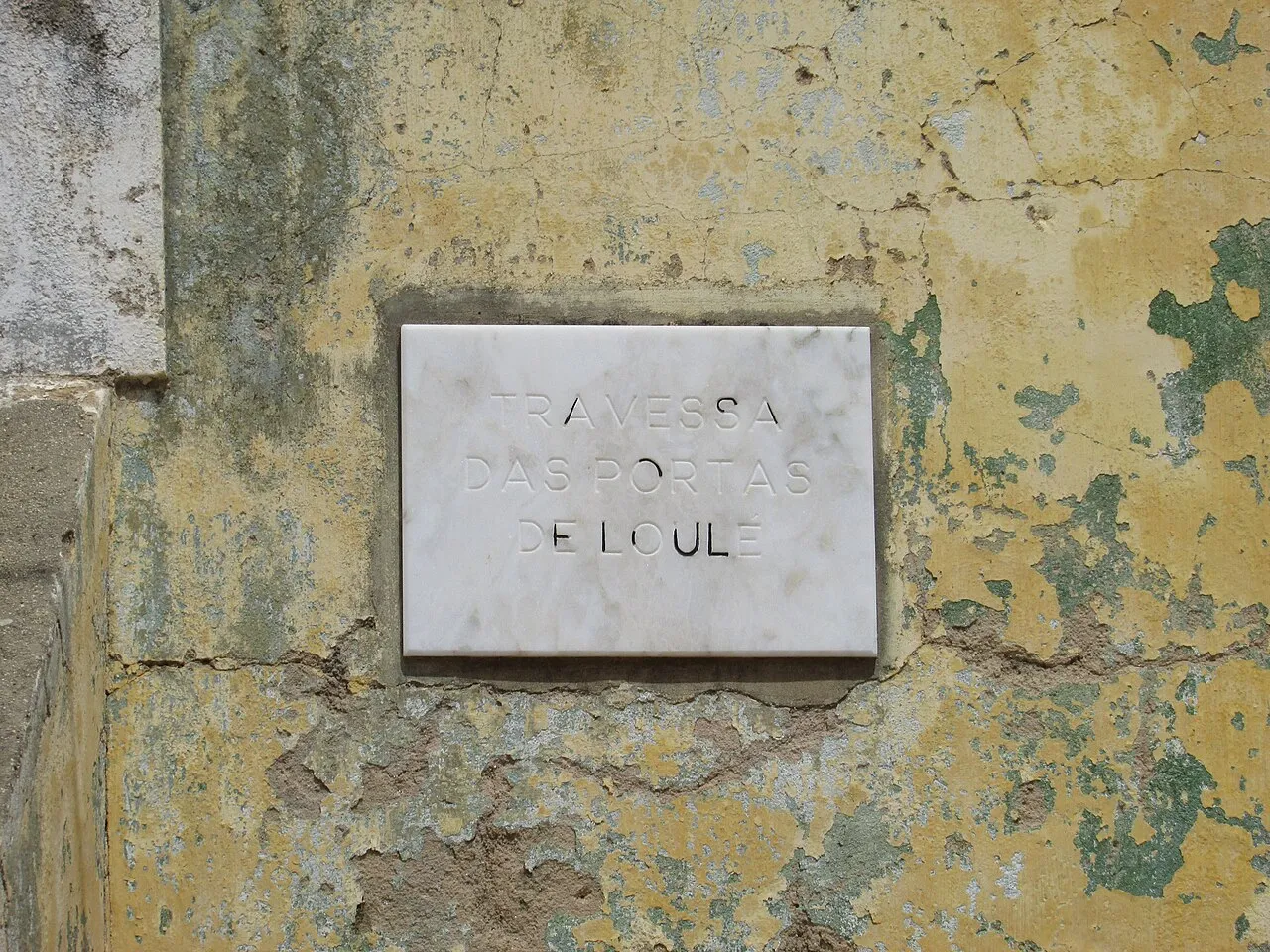
The judiaria of Silves is described in historiography as an intramural space associated with the sector of the Porta de Loulé, the main entrance to the former medina. Urban analysis helps situate the quarter. From the Porta da Almedina, also known as the Porta de Loulé, originated the former Rua Direita, today Rua da Sé, which structured circulation within the medieval town. In a doctoral thesis on the Cathedral of Silves, the judiaria is placed within the walls, near Rua das Portas de Loulé, and the same work describes a street that “led to the judiaria”, connecting the Porta da Vila to the Porta de Loulé, reinforcing the anchoring of the Jewish quarter along the southern corridor of the medieval nucleus. In heritage interpretation materials, Rua da Porta de Loulé is presented as the entrance to the area that, from the definitive Christian reconquest until the end of the fifteenth century, corresponded to the former Jewish quarter.

Gallery
Article researched and curated by Jew Where.

The Jew Where project is collaborative. Do you have additional information, found an inaccuracy, or have historical photos of this location? Contact our team.
Silves Jewish Quarter
Portugal / Faro / Neighborhoods & Settlements

Silves Jewish Quarter

"Intramural area near Porta de Loulé linked to Silves’s medieval judiaria, documented through 14th and 15th century royal and fiscal records."

Location
Rua da Porta de Loulé, Silves, Portugal

The Jewish Community of Silves appears as a recognized institution confirmed by royal authority throughout the fourteenth century, with records of confirmations of privileges in 1359, 1366, and 1396. This sequence indicates formal continuity of the community as a collective body with its own legal status.

In the fifteenth century, Jewish presence is closely linked to the fiscal and administrative functioning of the city. On 23 April 1474, a petition records Isaac Alferce, customs receiver of Silves, demanding the payment of the tithe on olive oil, with a dispute over where the tax should be delivered and naming the parties involved, Fernam de San Lucar, Sem Tob Abroz, and the royal finance overseer Rui Valente. On 12 March 1482, a letter confirms Pero Feio as clerk of the toll office and also of the Jewish and Muslim communities of the city, a clear sign that these communal bodies maintained their own records and administrative routines within everyday fiscal life.

The judiaria of Silves is described in historiography as an intramural space associated with the sector of the Porta de Loulé, the main entrance to the former medina. Urban analysis helps situate the quarter. From the Porta da Almedina, also known as the Porta de Loulé, originated the former Rua Direita, today Rua da Sé, which structured circulation within the medieval town. In a doctoral thesis on the Cathedral of Silves, the judiaria is placed within the walls, near Rua das Portas de Loulé, and the same work describes a street that “led to the judiaria”, connecting the Porta da Vila to the Porta de Loulé, reinforcing the anchoring of the Jewish quarter along the southern corridor of the medieval nucleus. In heritage interpretation materials, Rua da Porta de Loulé is presented as the entrance to the area that, from the definitive Christian reconquest until the end of the fifteenth century, corresponded to the former Jewish quarter.

Timeline

  • 1359-04-09 Royal confirmation of privileges of the Jewish Community of Silves.
  • 1366-06-23 Renewed confirmation of privileges.
  • 1396-08-08 Confirmation of privileges.
  • 1474-04-23 Isaac Alferce, customs receiver of Silves, submits a petition concerning the tithe on olive oil.
  • 1482-03-12 Confirmation of Pero Feio as clerk of the toll office and of the Jewish and Muslim communities.

Sources & Bibliography

  1. PHILOBIBLON. BITAGAP. Records relating to the Jewish Community of Silves, including confirmations of privileges (1359, 1366, 1396), Isaac Alferce (1474), and Pero Feio (1482). Ano: n.d. https://philobiblon.upf.edu
  2. TAVIM, José Alberto Rodrigues da Silva. Joias da documentação judaica medieval portuguesa. Ano: n.d. https://www.academia.edu/43216315/JOIAS_DA_DOCUMENTA%C3%87%C3%83O_JUDAICA_MEDIEVAL_PORTUGUESA
  3. GOMES, Mário Varela. Silves (Xelb). Uma cidade do Gharb al-Andalus: o núcleo urbano. Ano: n.d. https://biblioteca.patrimoniocultural.gov.pt/Catalogo/winlibimg.aspx?doc=66&img=10159&skey=4E46D380385847A4BD77F00494C3C8CE
  4. PATRIMÓNIO CULTURAL. Muralhas e Porta da Almedina de Silves. Ano: n.d. https://imovel.patrimoniocultural.gov.pt/detalhes.php?code=72809
  5. ODYSSEA. Judiaria. Silves. Ano: n.d. https://www.odyssea.eu/data/index.php?lang=en&markerID=7422

Additional Information

Official website: https://www.odyssea.eu/data/index.php?lang=en&markerID=7422

Article researched and curated by Jew Where.

The Jew Where project is collaborative. Do you have additional information, found an inaccuracy, or have historical photos of this location? Contact our team.