

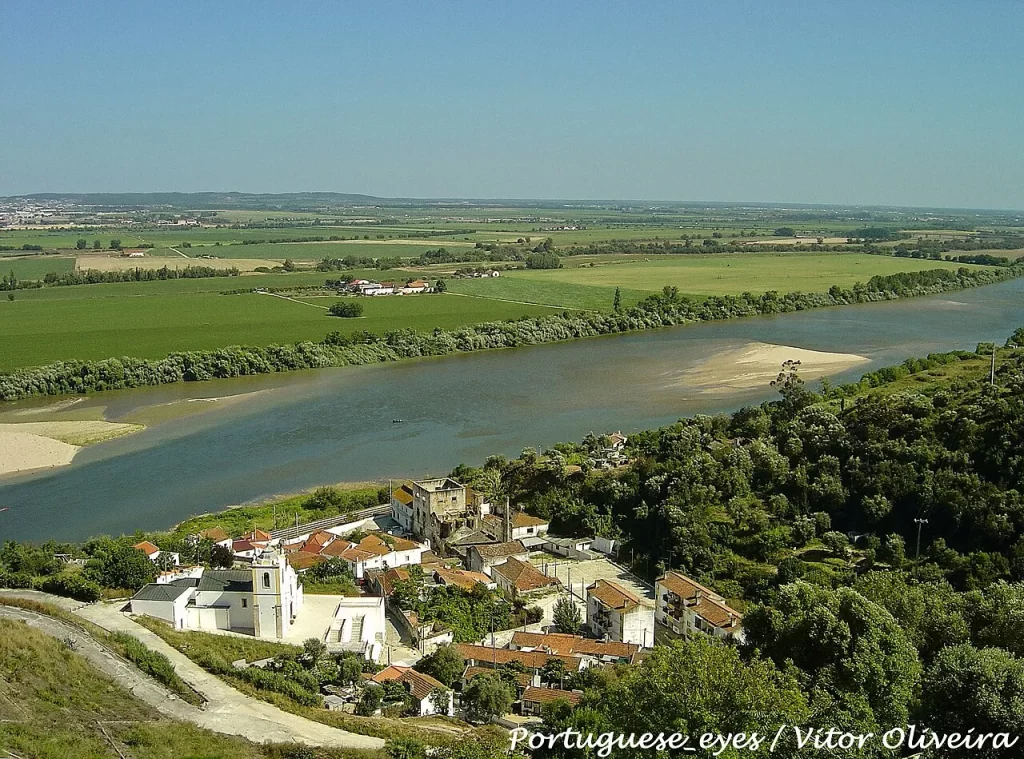
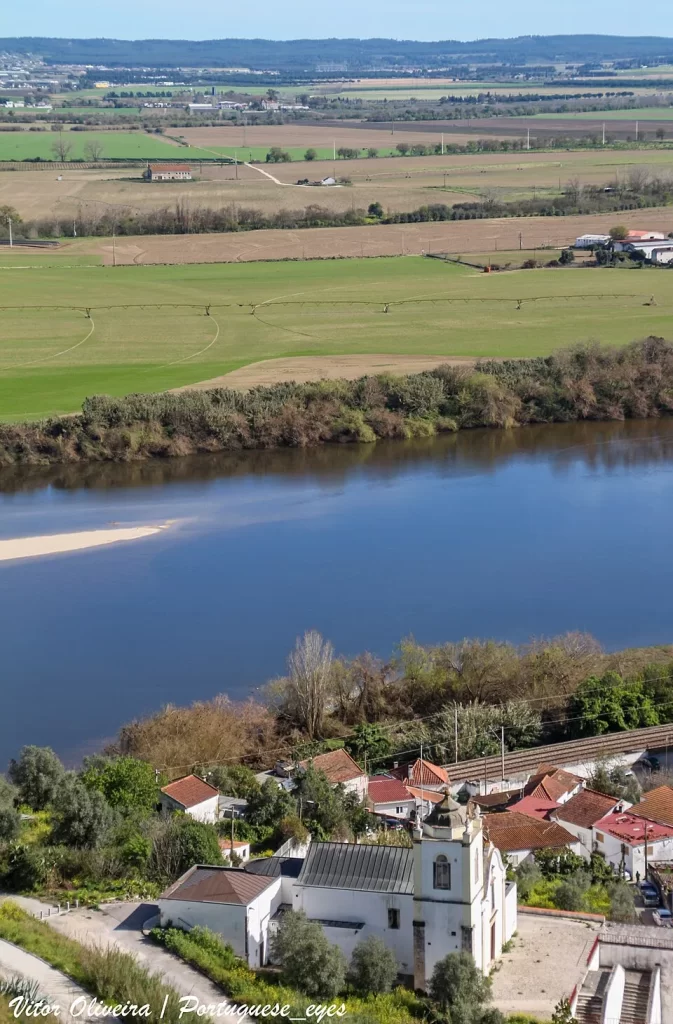
The Jewish quarter of Santarém was one of the most important medieval Jewish settlements in central Portugal, reflecting the city’s strategic position on the Tagus River and its role as a political, military, and commercial center of the kingdom. From at least the 12th century, Santarém hosted a structured Jewish community integrated into the urban fabric and the royal economy, benefiting from proximity to Lisbon and from intense riverine and agricultural trade.
Documentary sources from the 13th and 14th centuries attest to a legally defined judiaria, protected by royal authority and governed by its own internal institutions. The Jewish quarter was enclosed and regulated, following the common urban model of medieval Portuguese towns, with controlled access points that were closed at night. Within this space were located the essential communal structures: synagogue, rabbinical court, communal oven, ritual bath (mikveh), and houses belonging to Jewish families involved in trade, crafts, medicine, administration, and finance.
The Jewish population of Santarém played a relevant role in royal service. Jewish tax farmers, scribes, physicians, and merchants are recorded in royal documentation, particularly during the reigns of D. Dinis, D. Afonso IV, and D. Pedro I. The community contributed to local and regional economies through agricultural management, wine production, artisanal activity, and commercial circulation along the Tagus corridor.
In the 15th century, as in other Portuguese cities, the Jews of Santarém were affected by increasing social tension, legal restrictions, and episodes of pressure following the waves of anti-Jewish violence in the Iberian Peninsula. Despite this, the community remained active until the end of the century. The decisive rupture came in 1496–1497, with the royal decree ordering the expulsion or forced conversion of the Jews of Portugal under King D. Manuel I. The Jewish quarter was dissolved, its institutions dismantled or repurposed, and its inhabitants either left the kingdom or were forcibly integrated into the Christian population as New Christians.
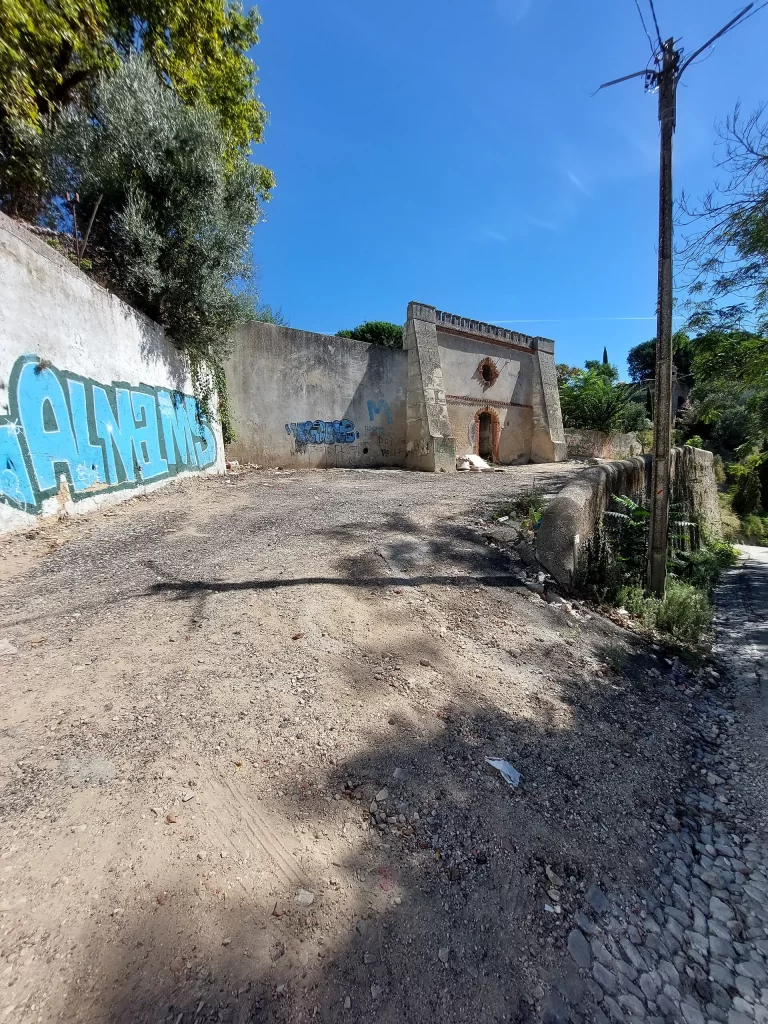
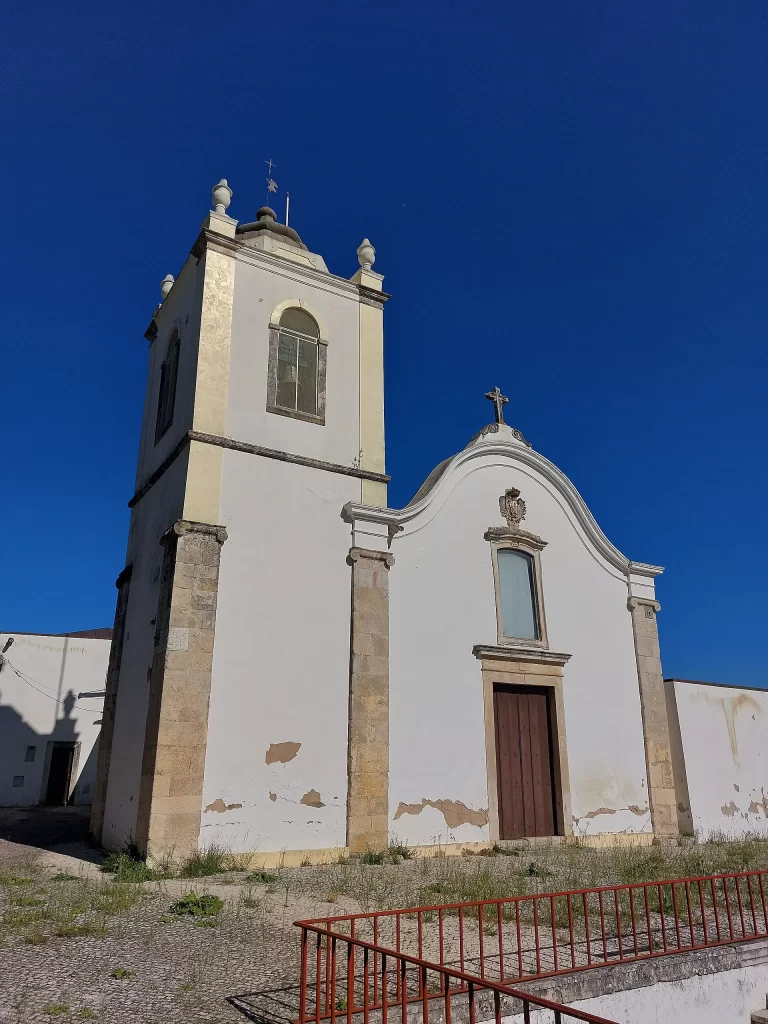
Although no synagogue building survives today, the memory of the judiaria persists in Santarém’s urban layout, historical toponymy, and archival documentation. The Jewish quarter forms an essential part of the city’s medieval history and stands as testimony to the long-standing Jewish presence in the Ribatejo region and to its abrupt erasure at the turn of the early modern period.
Gallery
Sources & Bibliography
- BEIRANTE, Maria Ângela V. da Rocha. Santarém medieval. Edição: 1.ª ed. em português. Local: Lisboa. Editora: Faculdade de Ciências Sociais e Humanas, Universidade Nova. Ano: 1980
- TAVARES, Maria José Ferro. Os judeus em Portugal no século XIV. Edição: 1.ª ed. Local: Lisboa. Editora: Instituto de Alta Cultura, Centro de Estudos Históricos. Ano: 1970
- GOMES, Saul António. O “Inventário das Escrituras” do Convento de S. Francisco de Santarém de [1411]. Observações breves acerca da praxis arquivística medieval portuguesa. Local: Coimbra. Editora: Revista de História da Sociedade e da Cultura. Ano: 2003
- PATRIMÓNIO CULTURAL, I.P. Pátio e Quintal nas Barreiras de Alfange. IPA.00009108. Ano: n.d
- MUNICÍPIO DE SANTARÉM. Tourist Map Santarém. Ano: n.d
Article researched and curated by Jew Where.
The Jew Where project is collaborative. Do you have additional information, found an inaccuracy, or have historical photos of this location? Contact our team.
Community notes
Comments
Logged-in visitors can submit comments for moderation before they appear publicly.
No comments yet.
Log in to leave a comment. Go to Account.