Skip to content
Samuel Gacon and the Faro Pentateuch

Samuel Gacon and the Faro Pentateuch

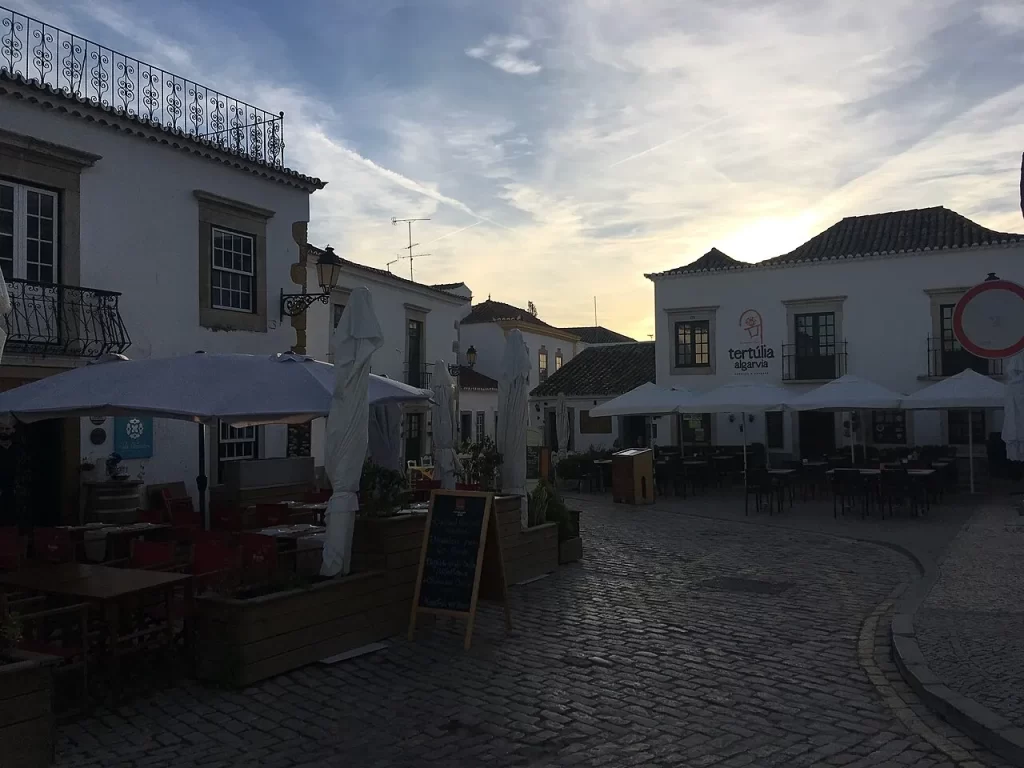
"Approximate location of Faro’s lost Hebrew press, associated with Samuel Gacon and the 1487 Pentateuch, the first known book printed in Portugal."

Back to Map

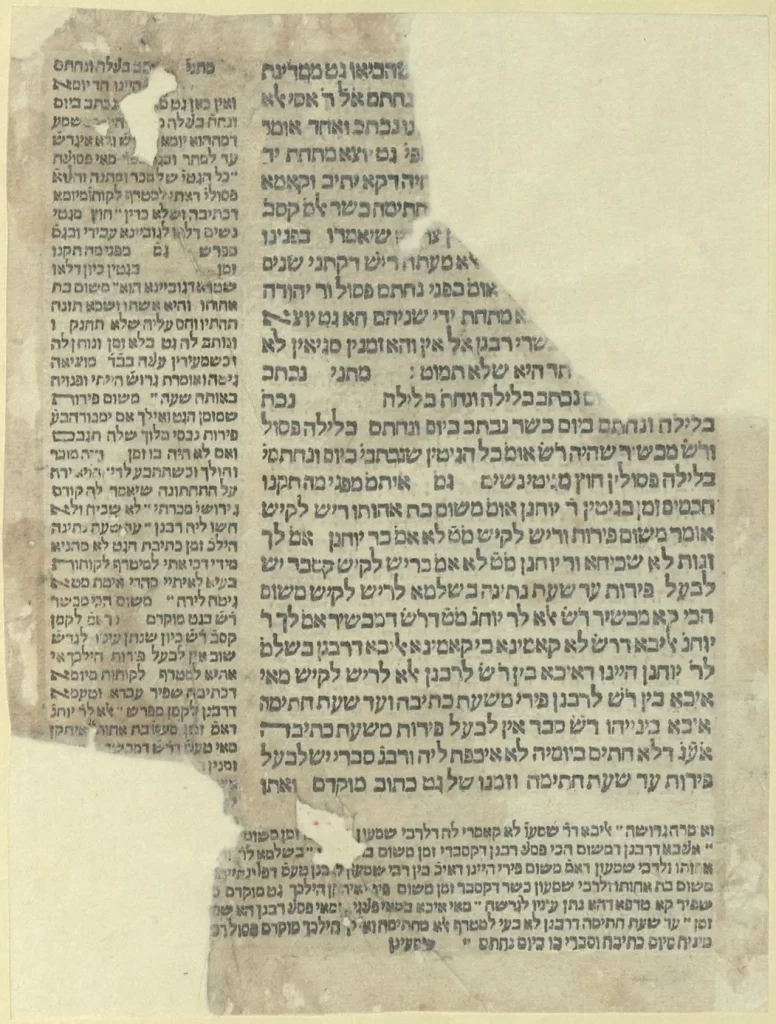
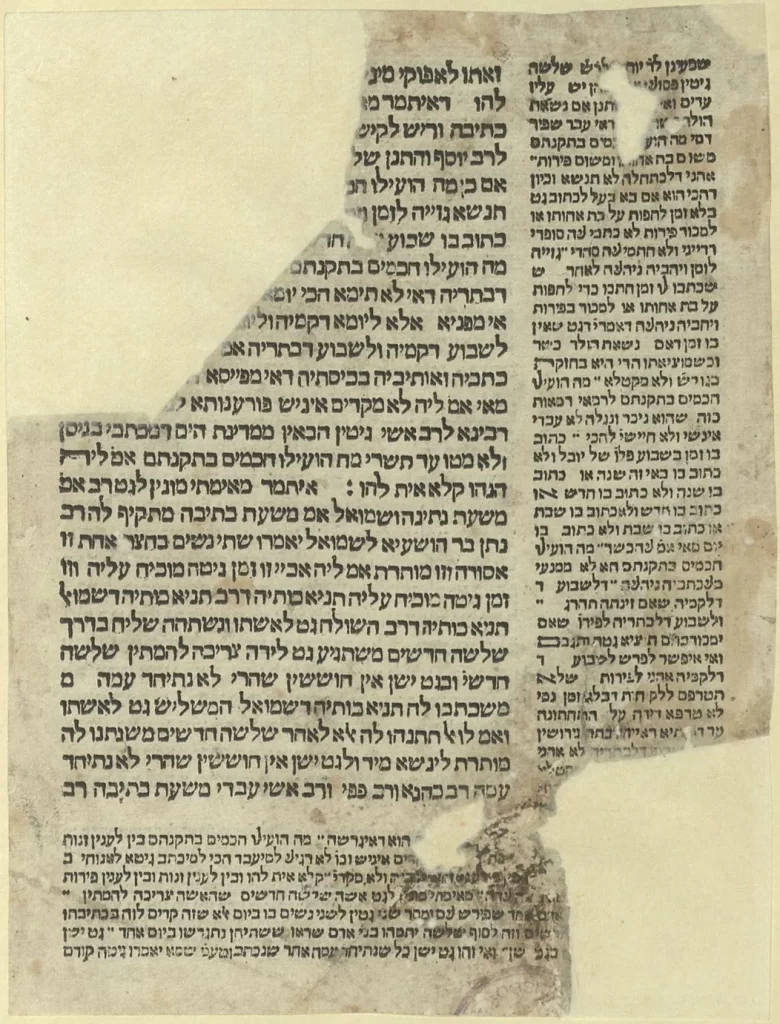
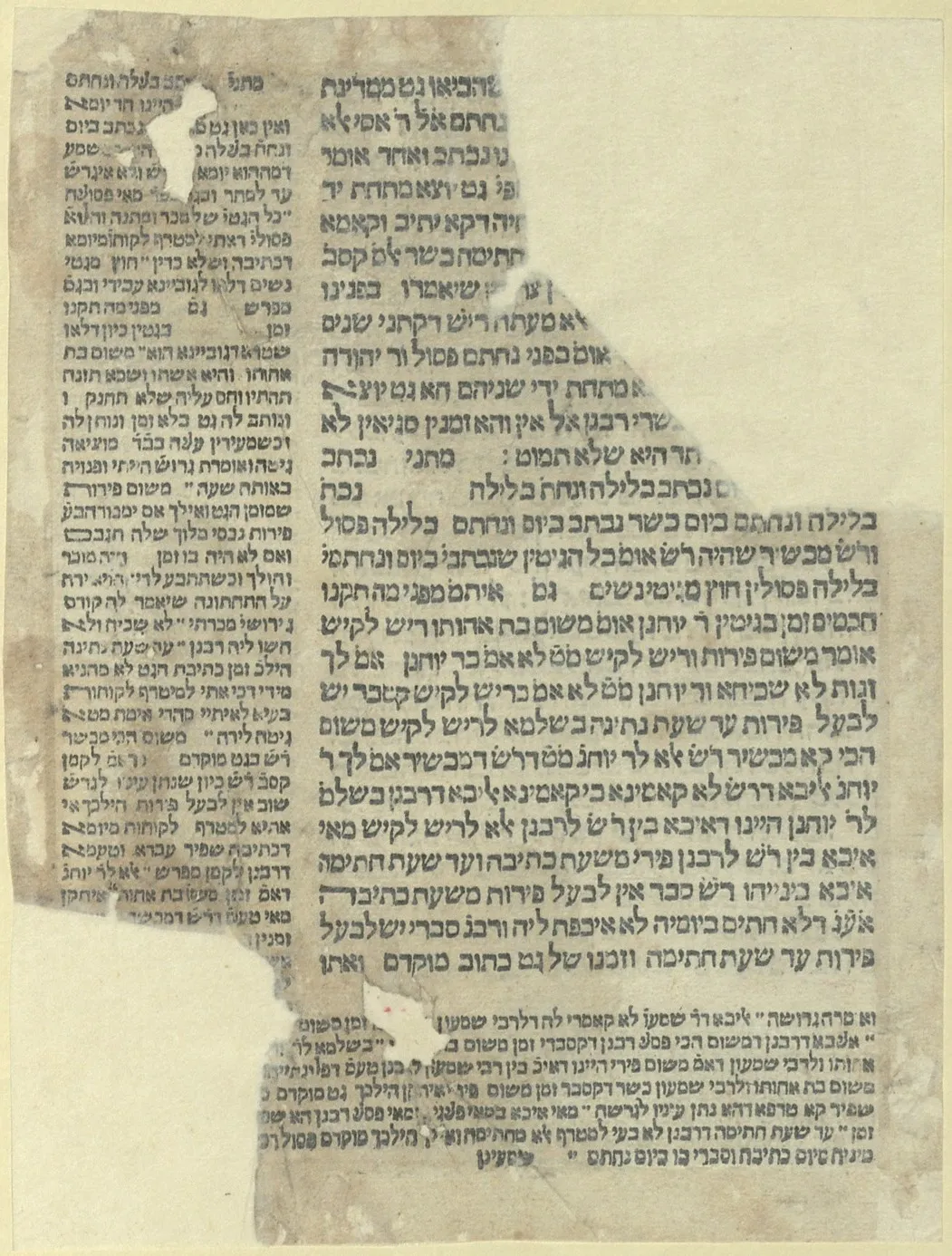
Samuel Gacon is associated with the Hebrew press that produced the Faro Pentateuch, completed on 30 June 1487 and widely regarded as the first known book printed in Portugal. Institutional and scholarly accounts place this workshop in Faro’s Jewish quarter, in the area now corresponding to Praça D. Afonso III. Surviving evidence also links the Faro Hebrew press to at least two other works, a Babylonian Talmud and a divorce tract, showing that this was not an isolated experiment but part of a short-lived Jewish printing activity in late fifteenth-century Faro.

The site itself is lost. Later urban and conventual development overwrote the medieval Jewish quarter, and institutional guides identify the former Convent of Nossa Senhora da Assunção, now the Municipal Museum of Faro, as standing on the site of the old judiaria. For that reason, this pin should be understood as an approximate historical location tied to the memory of Samuel Gacon and the Faro Pentateuch, not as a surviving print shop building. The only known surviving copy of the Faro Pentateuch is held in the British Library.

Gallery
Videos

Article researched and curated by Jew Where.

The Jew Where project is collaborative. Do you have additional information, found an inaccuracy, or have historical photos of this location? Contact our team.
Samuel Gacon and the Faro Pentateuch
Portugal / Faro / History & Archaeology

Samuel Gacon and the Faro Pentateuch

"Approximate location of Faro’s lost Hebrew press, associated with Samuel Gacon and the 1487 Pentateuch, the first known book printed in Portugal."

Location
Praça D. Afonso III, 8000-167 Faro, Portugal

Samuel Gacon is associated with the Hebrew press that produced the Faro Pentateuch, completed on 30 June 1487 and widely regarded as the first known book printed in Portugal. Institutional and scholarly accounts place this workshop in Faro’s Jewish quarter, in the area now corresponding to Praça D. Afonso III. Surviving evidence also links the Faro Hebrew press to at least two other works, a Babylonian Talmud and a divorce tract, showing that this was not an isolated experiment but part of a short-lived Jewish printing activity in late fifteenth-century Faro.

The site itself is lost. Later urban and conventual development overwrote the medieval Jewish quarter, and institutional guides identify the former Convent of Nossa Senhora da Assunção, now the Municipal Museum of Faro, as standing on the site of the old judiaria. For that reason, this pin should be understood as an approximate historical location tied to the memory of Samuel Gacon and the Faro Pentateuch, not as a surviving print shop building. The only known surviving copy of the Faro Pentateuch is held in the British Library.

Timeline

  • 30 June 1487 The Faro Pentateuch is completed in the Hebrew press associated with Samuel Gacon.
  • 1492? A Babylonian Talmud is linked to the same Faro Hebrew press.
  • 1494 A divorce tract is linked to the same Faro Hebrew press.
  • 1496 The royal expulsion decree against the Jews ends the conditions that had sustained Hebrew printing in Portugal.
  • 1550 The Convent of Nossa Senhora da Assunção is completed on the site of the old Jewish quarter.
  • Present The workshop no longer survives; the memory of the Faro Pentateuch is now attached to the Praça D. Afonso III area and to later interpretive initiatives in Faro.

Sources & Bibliography

  1. ANSELMO, Artur. A tipografia judaica de Faro e o seu fundador. In Pentateuco: comemoração dos 530 anos de livro impresso em Portugal (Faro: 1487-2017). Faro: Câmara Municipal de Faro, 2019. https://www.cienciavitae.pt/portal/0A12-006B-2DB9
  2. AFONSO, Luís Urbano; MIRANDA, Adelaide, eds. O livro e a iluminura judaica em Portugal no final da Idade Média. Lisboa: Biblioteca Nacional de Portugal, 2015. http://id.bnportugal.gov.pt/bib/rnod/227307
  3. BIBLIOTECA NACIONAL DE PORTUGAL. O livro e a iluminura judaica em Portugal no final da Idade Média. Lisboa: Biblioteca Nacional de Portugal, 2015. https://www.bnportugal.gov.pt/index.php?Itemid=1016&catid=165%3A2015&id=994%3Aexposicao--o-livro-e-a-iluminura-judaica-em-portugal-no-final-da-idade-media--26-fev-15-maio-15&lang=pt&option=com_content&view=article
  4. MATOS, Manuel Cadafaz; RODRIGUES, Manuel Augusto. Pentateuco: reprodução fac-similada do mais antigo livro impresso em Portugal. Faro: Edição do Governo Civil de Faro, 1991. https://iucat.iu.edu/iub/6409748
  5. MOITA, Tiago. O livro hebraico português na Idade Média. Lisboa: Faculdade de Letras da Universidade de Lisboa, 2017. Tese de Doutoramento. https://repositorio.ulisboa.pt/handle/10451/28719

Additional Information

Current use of the address: The approximate area is now Praça D. Afonso III and the surrounding former convent complex, today Museu Municipal de Faro.

Related contemporary interpretation center: Núcleo Histórico da Imprensa de Gutenberg e do Pentateuco de Faro, Rua do Município 16, 8000-398 Faro.

Article researched and curated by Jew Where.

The Jew Where project is collaborative. Do you have additional information, found an inaccuracy, or have historical photos of this location? Contact our team.