Skip to content
Royal Hospital of All Saints Site

Royal Hospital of All Saints Site

"Lost early modern hospital site at Rossio, documented in relation to post-expulsion reuse of Jewish communal assets and the Santa Justa cemetery."

Back to Map

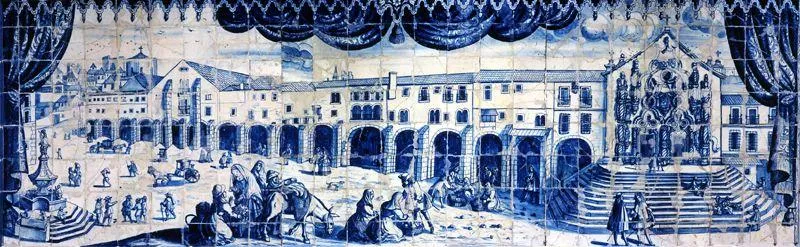
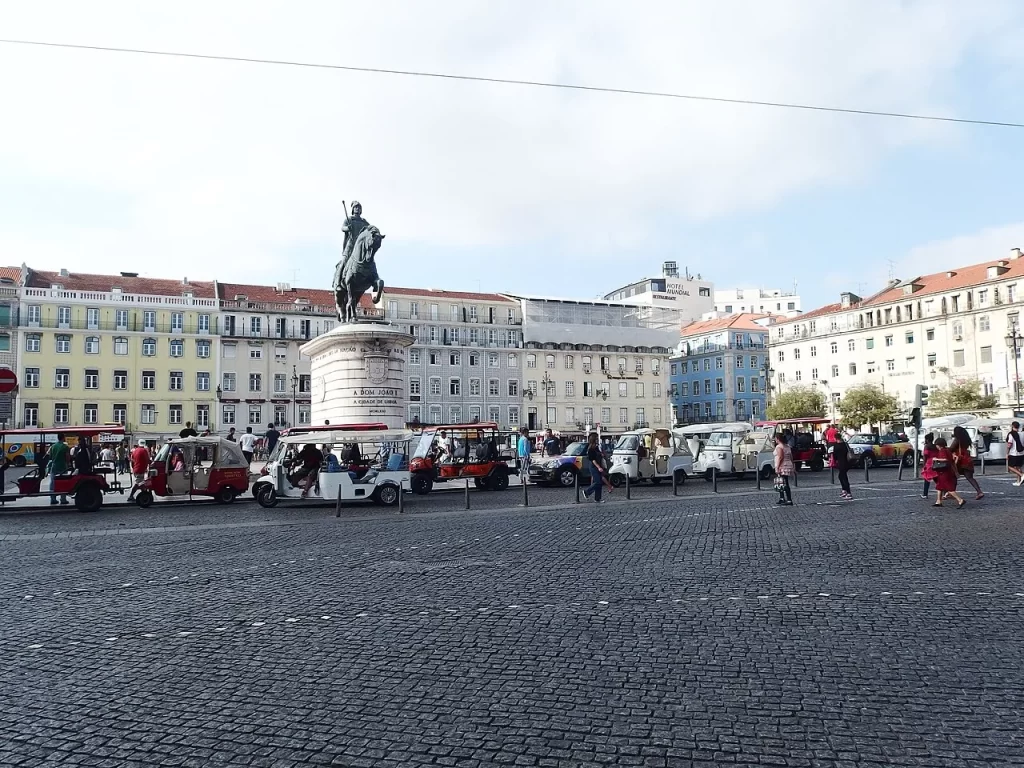
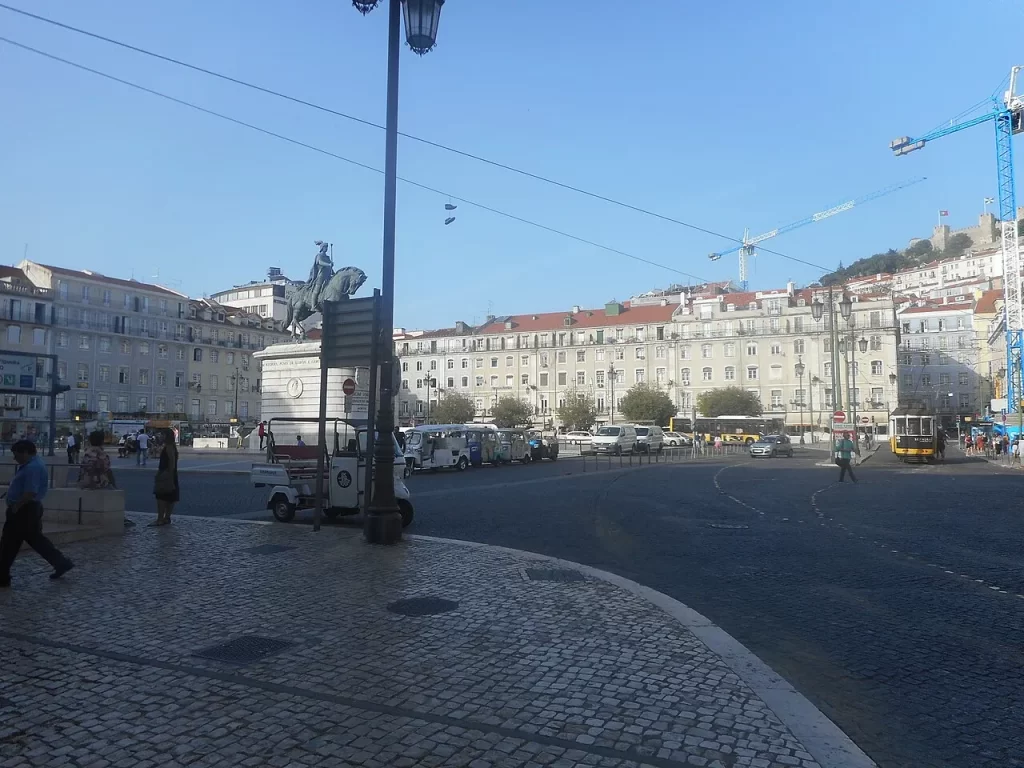
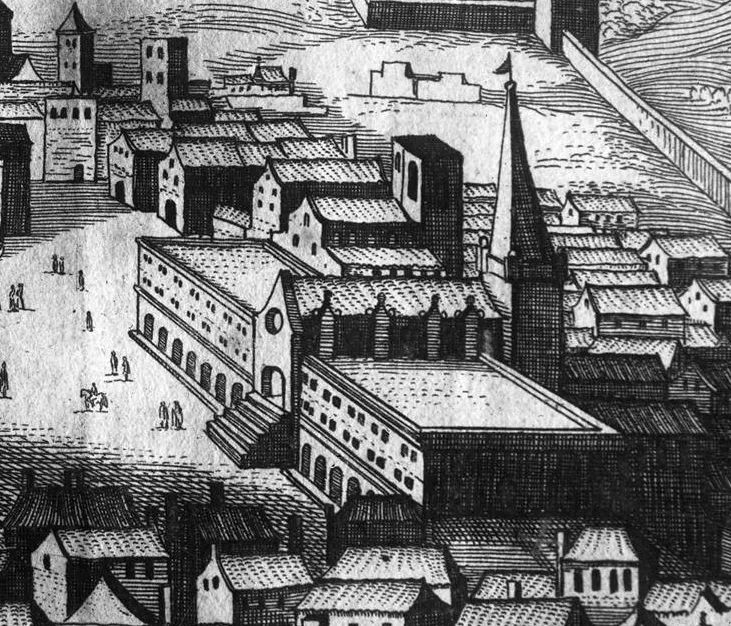
The Royal Hospital of All Saints was Lisbon’s main early modern hospital complex, built on the Rossio, in the area that later became Praça da Figueira. Founded under King João II and inaugurated under King Manuel I, it concentrated assistance and medical care in a single large institution, replacing a dispersed network of smaller hospitals.

Its link to Jewish history is documented in written sources connected to the confiscation of Jewish communal property after the expulsion and forced conversion. In a widely cited study, historian Amélia Aguiar Andrade states that assets from Lisbon’s synagogues and communal buildings were used to support the hospital works, and adds a specific claim: tombstones from the Jewish cemetery of Santa Justa were redirected to the hospital’s construction. The same passage records that the cemetery land was donated to the Lisbon city council in 1497.

This detail is important, but it remains documentary rather than archaeologically demonstrated. Urban excavations have revealed portions of the hospital’s remains in the Praça da Figueira area, yet published reports have not documented the identification of Hebrew-inscribed tombstones from Santa Justa within surviving foundations.

Gallery
Article researched and curated by Jew Where.

The Jew Where project is collaborative. Do you have additional information, found an inaccuracy, or have historical photos of this location? Contact our team.

Royal Hospital of All Saints Site
Portugal / Lisbon / History & Archaeology

Royal Hospital of All Saints Site

"Lost early modern hospital site at Rossio, documented in relation to post-expulsion reuse of Jewish communal assets and the Santa Justa cemetery."

Location
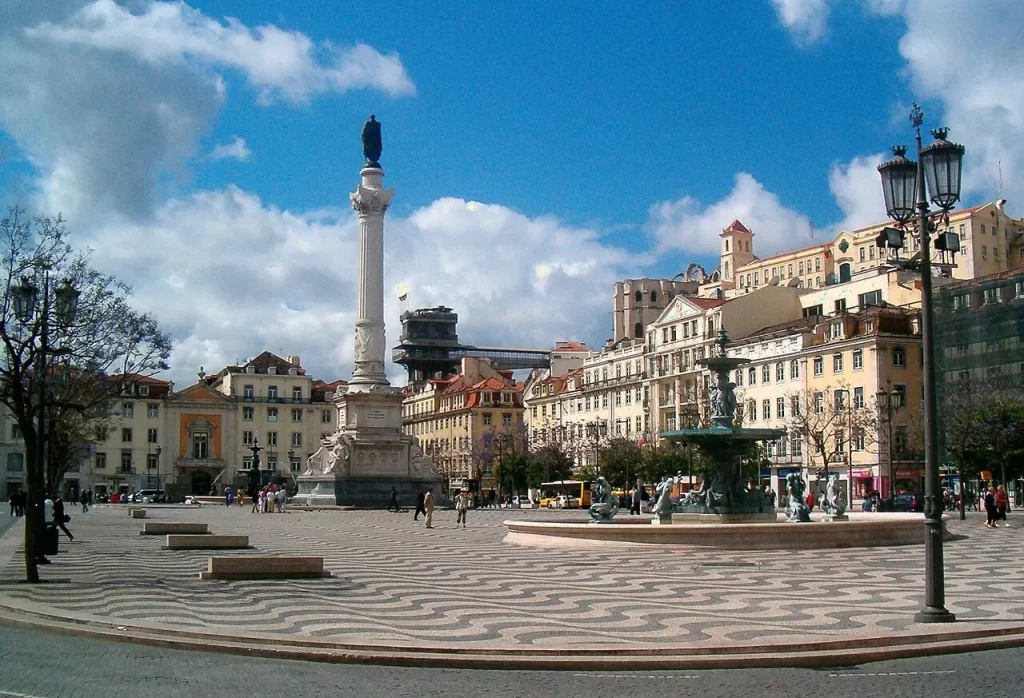
Praça Dom Pedro IV 96, Lisbon, Portugal

The Royal Hospital of All Saints was Lisbon’s main early modern hospital complex, built on the Rossio, in the area that later became Praça da Figueira. Founded under King João II and inaugurated under King Manuel I, it concentrated assistance and medical care in a single large institution, replacing a dispersed network of smaller hospitals.

Its link to Jewish history is documented in written sources connected to the confiscation of Jewish communal property after the expulsion and forced conversion. In a widely cited study, historian Amélia Aguiar Andrade states that assets from Lisbon’s synagogues and communal buildings were used to support the hospital works, and adds a specific claim: tombstones from the Jewish cemetery of Santa Justa were redirected to the hospital’s construction. The same passage records that the cemetery land was donated to the Lisbon city council in 1497.

This detail is important, but it remains documentary rather than archaeologically demonstrated. Urban excavations have revealed portions of the hospital’s remains in the Praça da Figueira area, yet published reports have not documented the identification of Hebrew-inscribed tombstones from Santa Justa within surviving foundations.

Timeline

  • 15 May 1492 First stone laid for the Royal Hospital of All Saints at Rossio.
  • 1497 Santa Justa Jewish cemetery land was recorded as donated to Lisbon City Council, and documentary tradition links its tombstones to the hospital works.
  • 1504 Hospital inaugurated under King Manuel I.
  • 1755 After the earthquake, the hospital was transferred to the former Convent of Santo Antão and became the Royal Hospital of São José.
  • 1960-1961 Major excavations at Praça da Figueira exposed substantial remains of the former hospital.

Sources & Bibliography

  1. ANDRADE, Amélia Aguiar. O desaparecimento espacial das judiarias nos núcleos urbanos portugueses de finais da Idade Média. O caso de Lisboa. In Estudos em Homenagem ao Professor Doutor José Marques, vol. I, pp. 143-163. Local: Porto. Editora: Faculdade de Letras da Universidade do Porto. Ano: 2006. https://www.cienciavitae.pt/portal/651F-6189-32F3
  2. VITERBO, Francisco Marques de Sousa. Ocorrências da Vida Judaica. In Archivo historico portuguez, vol. II, pp. 176-200. Local: Lisboa. Editora: Typ. Calçada do Cabra. Ano: 1904. https://books.google.com/books/about/Archivo_historico_portuguez.html?id=yrg7AQAAMAAJ
  3. LISBOA (Portugal). Câmara Municipal. Documentos do Arquivo Histórico da Câmara Municipal de Lisboa. Livros de Reis, vol. IV. Local: Lisboa. Editora: Câmara Municipal de Lisboa. Ano: 1959. https://books.google.pt/books?hl=pt-PT&id=4IINAQAAIAAJ&lr=&num=20
  4. UNIDADE LOCAL DE SAÚDE DE SÃO JOSÉ. Nota Histórica. Local: Lisboa. Editora: ULS de São José. Ano: n.d. https://www.ulssjose.min-saude.pt/patrimonio-cultural/nota-historica
  5. ALBERTO, Edite Martins; SILVA, Rodrigo Banha da; TEIXEIRA, André, eds. All Saints Royal Hospital. Lisbon and Public Health. Local: Lisboa. Editora: Câmara Municipal de Lisboa; Santa Casa da Misericórdia de Lisboa. Ano: 2021. https://www.lisboa.pt/fileadmin/informacao/publicacoes/olisipografia/Hospital_Real_de_Todos_os_Santos_a_cidade_e_a_saude.pdf
  6. BARGÃO, André; FERREIRA, Sara da Cruz; SILVA, Rodrigo Banha da. Memórias de duas intervenções. O remanescente do Hospital Real de Todos-os-Santos em 1960-1961 e 1999-2001. In Scaena, n.º 2, pp. 80-91. Local: Lisboa. Editora: EGEAC - Empresa de Gestão de Equipamentos e Animação Cultural. Ano: 2021. https://bibliotecas.patrimoniocultural.gov.pt/Opac/Pages/Search/Results.aspx?Database=10171_BA_GERAL&SearchText=AUT%3D%22BARG%C3%83O%2C+Andr%C3%A9%2C+1991-%22

Additional Information

Present-day use: The current address has no visible or functional connection to the former hospital site; it is now occupied by unrelated commercial premises.
Official website: https://www.ulssjose.min-saude.pt/patrimonio-cultural/nota-historica

Article researched and curated by Jew Where.

The Jew Where project is collaborative. Do you have additional information, found an inaccuracy, or have historical photos of this location? Contact our team.