Skip to content
Rocha Conde de Óbidos Dock

Rocha Conde de Óbidos Dock

"Historic Lisbon dock and active port terminal associated with WWII refugee embarkations, including Jewish refugees leaving Europe on transatlantic ships."

Back to Map

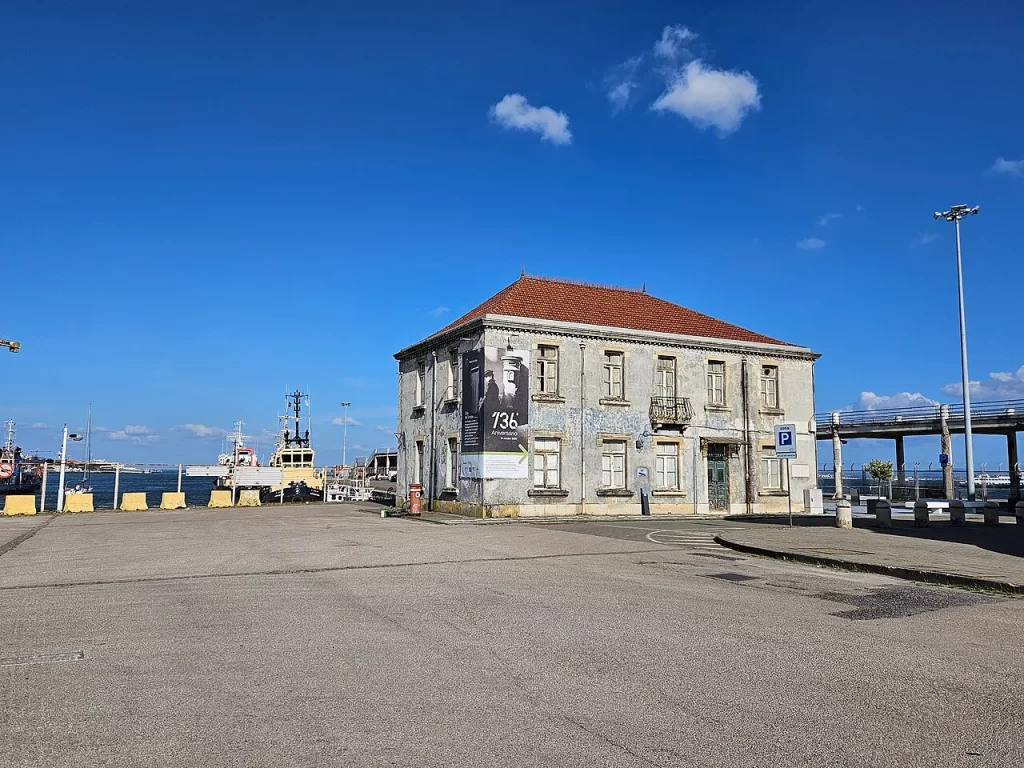
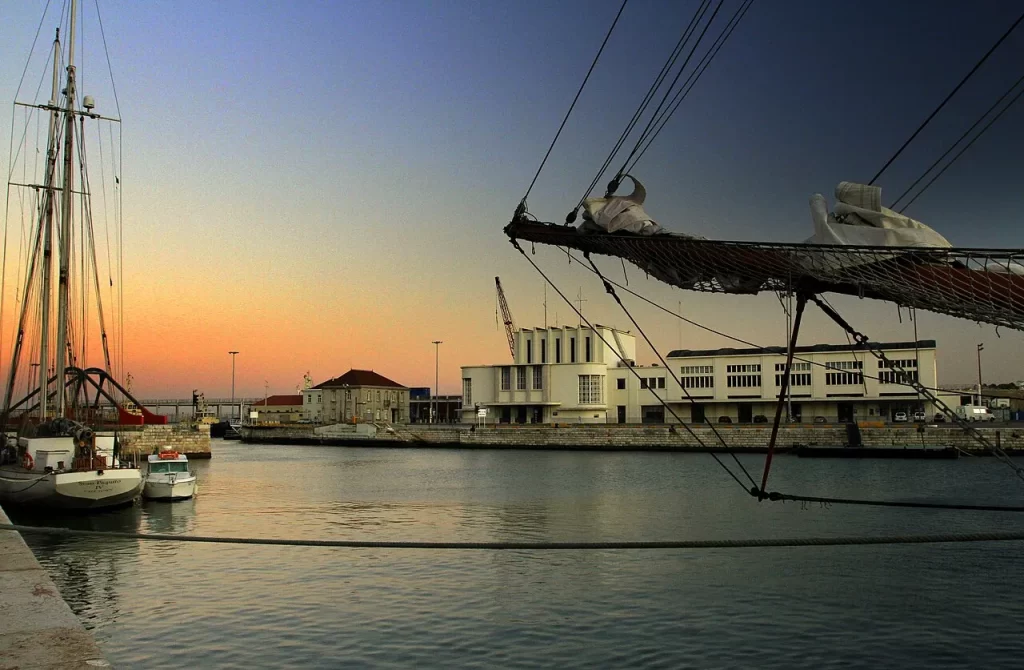
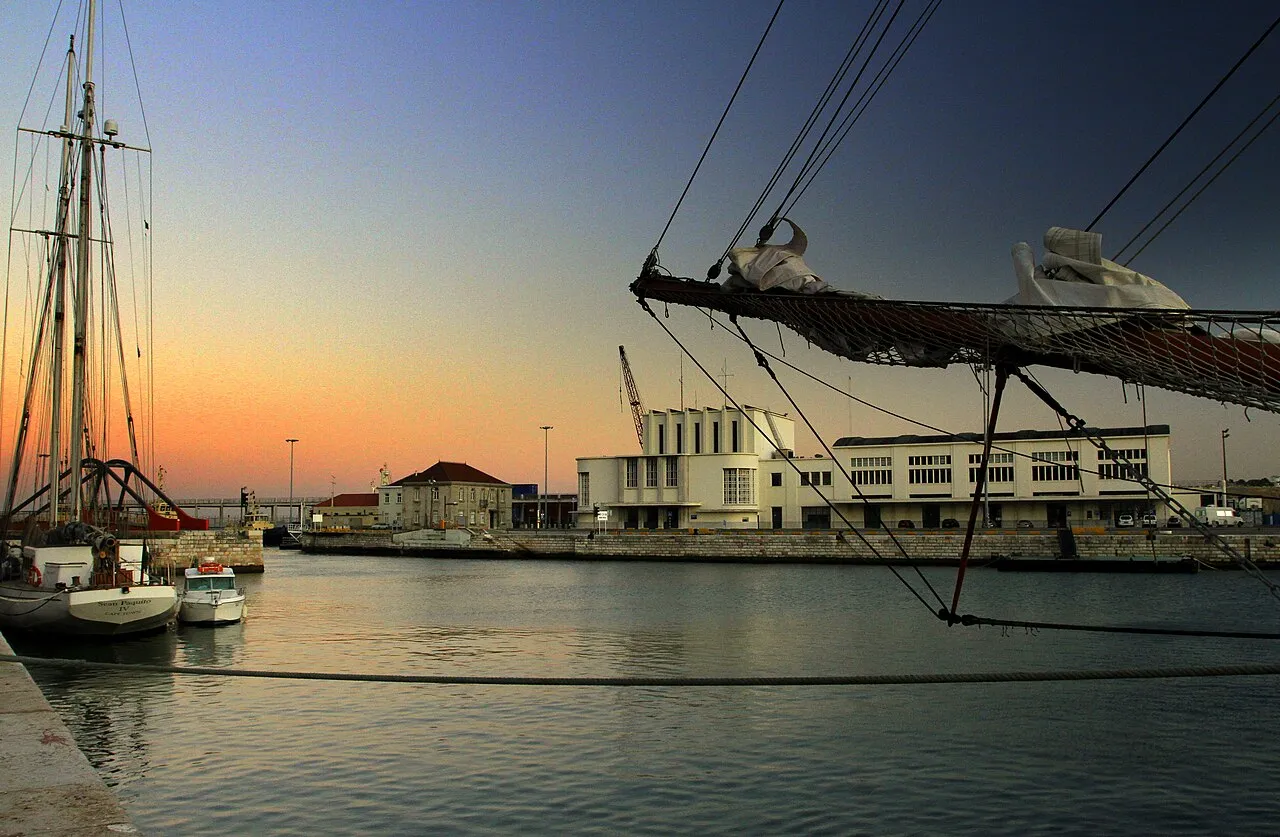
The Doca Rocha Conde de Óbidos, located along Lisbon’s western waterfront, was one of the most significant points of arrival and departure in the city during the Second World War. More than a functional dock, it became a liminal space, a place of waiting, uncertainty, relief, and farewell. For thousands of refugees, including a large number of Jews fleeing Nazi persecution, this dock represented the final European threshold before exile, survival, or an unknown future overseas.

During the late 1930s and early 1940s, Lisbon assumed an exceptional role as one of the last open Atlantic ports in Europe. Portugal’s geopolitical position and neutrality transformed the Port of Lisbon into a crossroads of forced migration. Ships bound for North and South America departed regularly from docks such as Rocha Conde de Óbidos, carrying refugees who had crossed borders, obtained fragile visas, and survived long journeys across a continent at war.

Jewish Refugees and the Port

For Jewish refugees, the dock was not merely a point of embarkation but the culmination of a traumatic itinerary. Many arrived in Lisbon after fleeing Germany, Austria, Poland, Czechoslovakia, France, Belgium, and the Netherlands, often after months or years in transit. At Rocha Conde de Óbidos, suitcases, documents, and faces conveyed both exhaustion and hope.

The port functioned as a controlled but porous humanitarian gateway. Refugees moved from trains, boarding houses, and temporary shelters across the city toward the dock, gathering under police supervision and consular scrutiny, while relying on international aid networks. Rocha Conde de Óbidos thus became a stage where state bureaucracy, humanitarian intervention, and personal survival intersected.

Refugee Ships and Routes of Escape

The Doca Rocha Conde de Óbidos was inseparable from the ships that departed from it. These vessels transformed the dock into one of the last maritime exits from Nazi-occupied Europe. Among the most emblematic was the Serpa Pinto, a Portuguese passenger ship that carried hundreds of refugees from Lisbon to destinations in North and South America, often in overcrowded conditions that reflected the urgency of escape. Other ships, such as the Nyassa and the Guiné, also departed from the Port of Lisbon during the war years, forming a fragile Atlantic corridor of survival. For Jewish refugees, boarding these ships at Rocha Conde de Óbidos marked the final rupture with Europe, turning the dock into a threshold between persecution and the uncertain possibility of safety abroad.

Jewish Children in Transit

Among the most striking presences at Rocha Conde de Óbidos were Jewish children. Some traveled with parents, others alone, as part of rescue efforts designed to remove minors from immediate danger. For these children, the dock marked a profound rupture, separation from Europe, from extended families, and often from a known past.

Photographs and testimonies show children waiting beside luggage larger than themselves, holding documents that identified destinations and sponsors abroad. The dock was a place where childhood encountered displacement, where the future depended on ships, signatures, and the coordination of international relief networks.

Roger Kahan and the Visual Record

Much of what we know visually about this moment is due to the work of Roger Kahan, a Jewish photographer who documented refugee life in Lisbon during the war years. His photographs, taken in and around the port area, including Rocha Conde de Óbidos, constitute one of the most important visual archives of wartime Lisbon as a refugee city.

Kahan’s images capture arrivals and departures, waiting crowds, children, families, uniforms, luggage, and the waterfront itself. Through his lens, the dock emerges not as an abstract port but as a human landscape of forced migration, anchoring memory in a precise urban geography.

Humanitarian Missions and Aid Networks

The dock was also a logistical node for international Jewish relief efforts. The American Jewish Joint Distribution Committee provided food, temporary housing, medical assistance, and financial support to refugees in Lisbon, while coordinating travel arrangements and emergency aid under restrictive conditions.

At the same time, HICEM played a central role in securing visas, ship tickets, and immigration guarantees. Working with consulates and shipping companies, HICEM helped transform bureaucratic approval into physical departure. Rocha Conde de Óbidos was one of the final points where these efforts materialized, turning lists and documents into passage.

A Site of Departure and Memory

Today, Rocha Conde de Óbidos is no longer associated with refugee ships, yet its historical significance remains embedded in the urban landscape. It stands as a silent witness to one of the most dramatic chapters of 20th-century Jewish history in Lisbon. As a site of arrival and departure, it embodies the tension between survival and loss, movement and exile.

Within the context of Jewish heritage mapping, the dock should be understood not simply as infrastructure but as a memory site, a physical location where global history, humanitarian action, and individual lives converged. To walk along this stretch of the port today is to traverse a landscape once marked by urgency, fear, hope, and the fragile promise of safety.

Gallery
Article researched and curated by Jew Where.

The Jew Where project is collaborative. Do you have additional information, found an inaccuracy, or have historical photos of this location? Contact our team.
Rocha Conde de Óbidos Dock
Portugal / Lisbon / Memory & Holocaust

Rocha Conde de Óbidos Dock

"Historic Lisbon dock and active port terminal associated with WWII refugee embarkations, including Jewish refugees leaving Europe on transatlantic ships."

Location
Port of Lisbon, Rua General Gomes Araújo, Lisbon, Portugal

The Doca Rocha Conde de Óbidos, located along Lisbon’s western waterfront, was one of the most significant points of arrival and departure in the city during the Second World War. More than a functional dock, it became a liminal space, a place of waiting, uncertainty, relief, and farewell. For thousands of refugees, including a large number of Jews fleeing Nazi persecution, this dock represented the final European threshold before exile, survival, or an unknown future overseas.

During the late 1930s and early 1940s, Lisbon assumed an exceptional role as one of the last open Atlantic ports in Europe. Portugal’s geopolitical position and neutrality transformed the Port of Lisbon into a crossroads of forced migration. Ships bound for North and South America departed regularly from docks such as Rocha Conde de Óbidos, carrying refugees who had crossed borders, obtained fragile visas, and survived long journeys across a continent at war.

Jewish Refugees and the Port

For Jewish refugees, the dock was not merely a point of embarkation but the culmination of a traumatic itinerary. Many arrived in Lisbon after fleeing Germany, Austria, Poland, Czechoslovakia, France, Belgium, and the Netherlands, often after months or years in transit. At Rocha Conde de Óbidos, suitcases, documents, and faces conveyed both exhaustion and hope.

The port functioned as a controlled but porous humanitarian gateway. Refugees moved from trains, boarding houses, and temporary shelters across the city toward the dock, gathering under police supervision and consular scrutiny, while relying on international aid networks. Rocha Conde de Óbidos thus became a stage where state bureaucracy, humanitarian intervention, and personal survival intersected.

Refugee Ships and Routes of Escape

The Doca Rocha Conde de Óbidos was inseparable from the ships that departed from it. These vessels transformed the dock into one of the last maritime exits from Nazi-occupied Europe. Among the most emblematic was the Serpa Pinto, a Portuguese passenger ship that carried hundreds of refugees from Lisbon to destinations in North and South America, often in overcrowded conditions that reflected the urgency of escape. Other ships, such as the Nyassa and the Guiné, also departed from the Port of Lisbon during the war years, forming a fragile Atlantic corridor of survival. For Jewish refugees, boarding these ships at Rocha Conde de Óbidos marked the final rupture with Europe, turning the dock into a threshold between persecution and the uncertain possibility of safety abroad.

Jewish Children in Transit

Among the most striking presences at Rocha Conde de Óbidos were Jewish children. Some traveled with parents, others alone, as part of rescue efforts designed to remove minors from immediate danger. For these children, the dock marked a profound rupture, separation from Europe, from extended families, and often from a known past.

Photographs and testimonies show children waiting beside luggage larger than themselves, holding documents that identified destinations and sponsors abroad. The dock was a place where childhood encountered displacement, where the future depended on ships, signatures, and the coordination of international relief networks.

Roger Kahan and the Visual Record

Much of what we know visually about this moment is due to the work of Roger Kahan, a Jewish photographer who documented refugee life in Lisbon during the war years. His photographs, taken in and around the port area, including Rocha Conde de Óbidos, constitute one of the most important visual archives of wartime Lisbon as a refugee city.

Kahan’s images capture arrivals and departures, waiting crowds, children, families, uniforms, luggage, and the waterfront itself. Through his lens, the dock emerges not as an abstract port but as a human landscape of forced migration, anchoring memory in a precise urban geography.

Humanitarian Missions and Aid Networks

The dock was also a logistical node for international Jewish relief efforts. The American Jewish Joint Distribution Committee provided food, temporary housing, medical assistance, and financial support to refugees in Lisbon, while coordinating travel arrangements and emergency aid under restrictive conditions.

At the same time, HICEM played a central role in securing visas, ship tickets, and immigration guarantees. Working with consulates and shipping companies, HICEM helped transform bureaucratic approval into physical departure. Rocha Conde de Óbidos was one of the final points where these efforts materialized, turning lists and documents into passage.

A Site of Departure and Memory

Today, Rocha Conde de Óbidos is no longer associated with refugee ships, yet its historical significance remains embedded in the urban landscape. It stands as a silent witness to one of the most dramatic chapters of 20th-century Jewish history in Lisbon. As a site of arrival and departure, it embodies the tension between survival and loss, movement and exile.

Within the context of Jewish heritage mapping, the dock should be understood not simply as infrastructure but as a memory site, a physical location where global history, humanitarian action, and individual lives converged. To walk along this stretch of the port today is to traverse a landscape once marked by urgency, fear, hope, and the fragile promise of safety.

Timeline

  • Late 1930s Lisbon emerges as a major transit city for refugees fleeing Nazi Europe.
  • 1939-1945 Rocha Conde de Óbidos functions as a key dock for arrivals and departures of refugee ships.
  • 1940-1941 Peak period of Jewish refugee transit through Lisbon, including large numbers of children.
  • 1940s Roger Kahan documents refugee life and departures at the Port of Lisbon.

Sources & Bibliography

  1. PIMENTEL, Irene. Judeus em Portugal durante a Segunda Guerra Mundial. Em Fuga de Hitler e do Holocausto. Local: Portugal. Editora: A Esfera dos Livros. Ano: 2006. https://novaresearch.unl.pt/en/publications/judeus-em-portugal-durante-a-segunda-guerra-mundial-em-fuga-de-hi
  2. AMERICAN JEWISH JOINT DISTRIBUTION COMMITTEE. Portugal: Lisbon and Elsewhere. Ano: n.d. https://archives.jdc.org/project/portugal-lisbon-elsewhere
  3. YIVO INSTITUTE FOR JEWISH RESEARCH. HIAS ARCHIVE: HICEM and HIAS Office in Lisbon. Ano: n.d. https://yivoarchives.yivo.org/index.php?id=33837&p=collections%2Fcontrolcard&top=1
  4. FERNANDES, José Joaquim Ferreira. O cais da Europa. Roger Kahan, refugiado, fotógrafo: Lisboa, 1940. Local: Barreiro. Editora: Arquivo dos Portos de Lisboa, Setúbal e Sesimbra. Ano: 2023. https://www.arquivoportoslisboasetubalsesimbra.pt/biblioteca/cgi-bin/koha/opac-detail.pl?biblionumber=10181
  5. ADMINISTRAÇÃO DO PORTO DE LISBOA, S.A. Artwork by Vhils and Book by Ferreira Fernandes Celebrate the Port of Lisbon as the Last Dock in Europe Open to the Salvation of WWII Refugees. Ano: 2023. https://www.portodelisboa.pt/en/-/artwork-by-vhils-and-book-by-ferreira-fernandes-celebrate-the-port-of-lisbon-as-the-last-dock-in-europe-open-to-the-salvation-of-wwii-refugees
  6. UNITED STATES HOLOCAUST MEMORIAL MUSEUM. Jewish refugee children prepare to embark on the SS Mouzinho, 1941. Ano: n.d. https://collections.ushmm.org/search/catalog/irn719270

Article researched and curated by Jew Where.

The Jew Where project is collaborative. Do you have additional information, found an inaccuracy, or have historical photos of this location? Contact our team.