Skip to content
The Palace of the Inquisition (Estaus Palace)

The Palace of the Inquisition (Estaus Palace)

"Former royal guesthouse turned inquisitorial seat on Rossio; the palace disappeared, and Teatro Nacional D. Maria II now occupies the site."

Back to Map

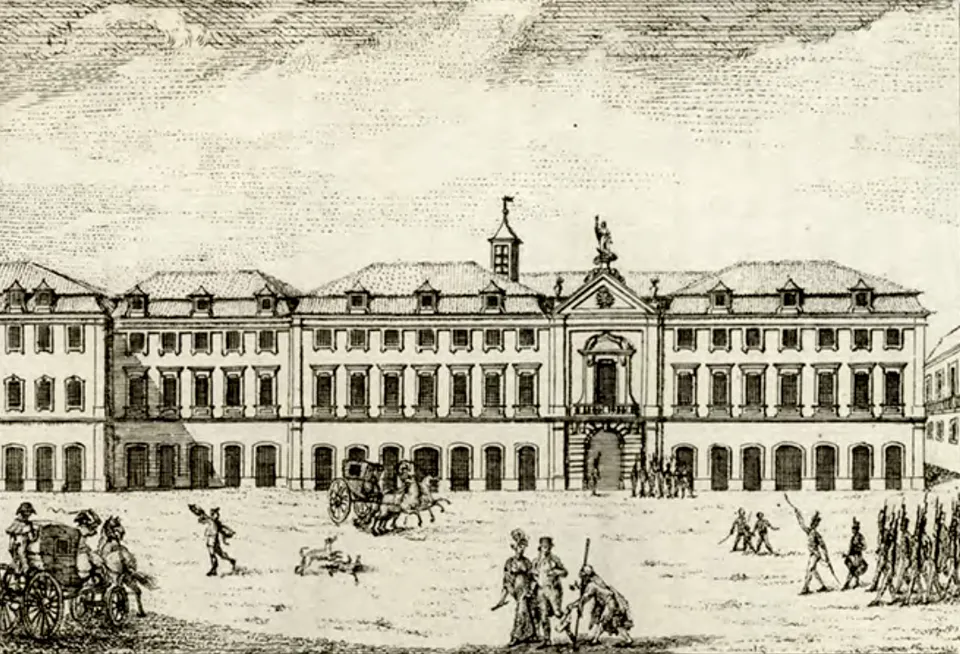
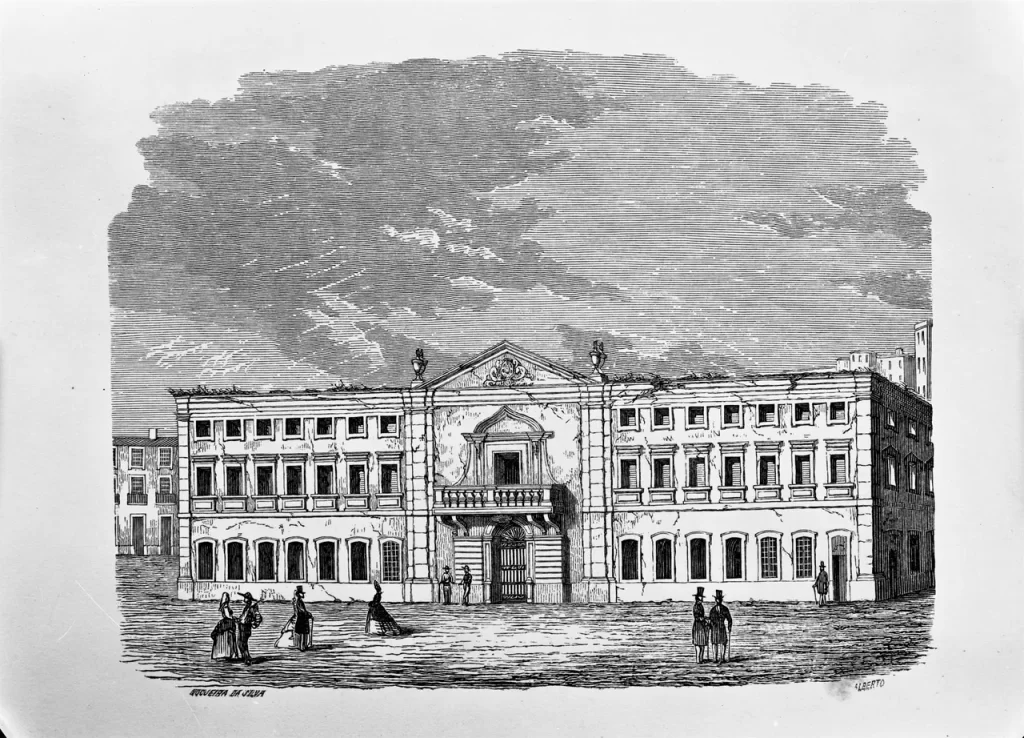
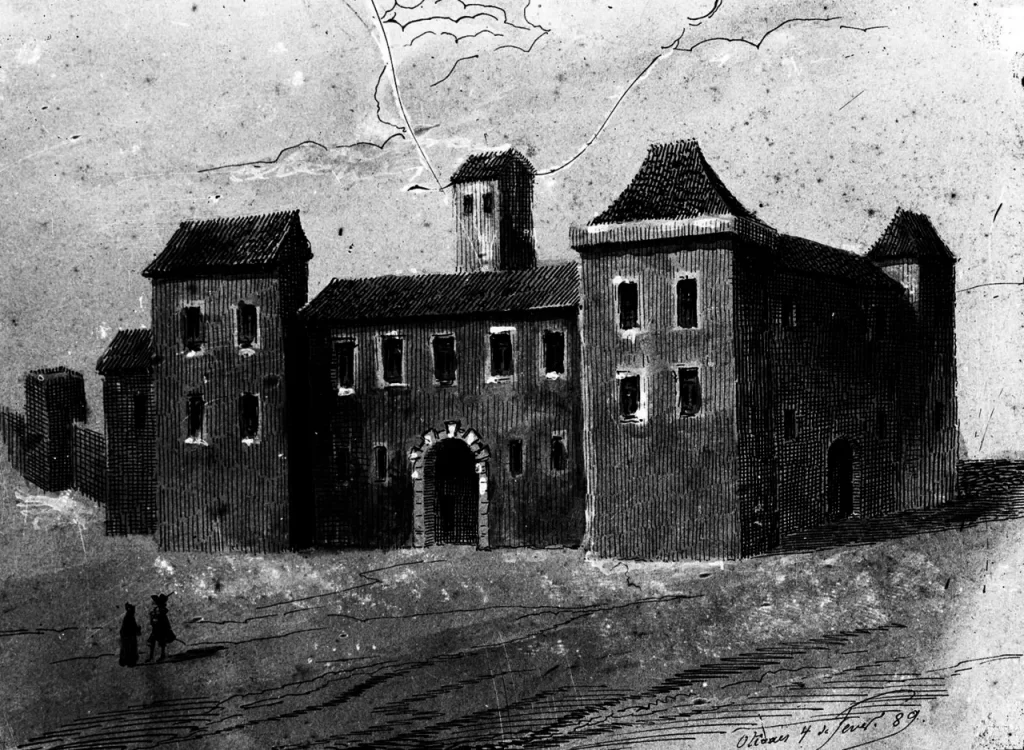
The Palace of the Lisbon Inquisition, historically known as the Palácio dos Estaus, stood on the northern edge of the Rossio, Lisbon’s principal civic square. From the mid 16th century onward, this building became the central seat of the Tribunal do Santo Ofício in the capital, embodying the institutional and symbolic power of the Portuguese Inquisition over the city and the kingdom.

Originally erected in the late 15th century as a royal guesthouse to receive foreign dignitaries, the Estaus palace was appropriated by the Inquisition shortly after the formal establishment of the tribunal in Portugal in 1536. Its location was deliberate. Positioned directly on Rossio, the heart of Lisbon’s political, judicial, and commercial life, the palace anchored inquisitorial authority within the most visible and frequented urban space.

Within its walls operated the full bureaucratic machinery of persecution: interrogation chambers, offices of notaries and inquisitors, archives, and detention areas for prisoners awaiting trial. Many of those detained were New Christians of Jewish origin, accused of practicing Judaism in secret. For Lisbon’s converso population, the palace was not an abstract symbol but a concrete destination, often marking the beginning of imprisonment, confiscation of property, exile, or death.

The palace was also directly connected to the public ritual of punishment. Autos da fé were staged in Rossio itself, transforming the square into a theater of fear and discipline. Prisoners were escorted from the palace to the scaffold before large crowds, reinforcing inquisitorial power through spectacle and collective intimidation. The proximity between tribunal, prison, and execution ground created a continuous geography of repression within the city.

The Lisbon Inquisition operated from the Estaus palace for more than two centuries. Its authority extended beyond religious control, deeply shaping social behavior, economic networks, and family histories, particularly among descendants of medieval Portuguese Jewry. Even after the gradual decline of inquisitorial activity in the 18th century, the building remained charged with the memory of surveillance and coercion.

The devastating earthquake of 1755 severely damaged the palace. Although the structure was partially rebuilt, its function changed, and the Inquisition itself was definitively abolished in 1821. The physical disappearance of the palace over time contrasts sharply with the endurance of its historical significance. Today, Rossio bears no visible architectural trace of the inquisitorial complex, yet the site remains one of the most important locations for understanding the mechanisms of persecution and the lived experience of Jews and New Christians in early modern Lisbon.

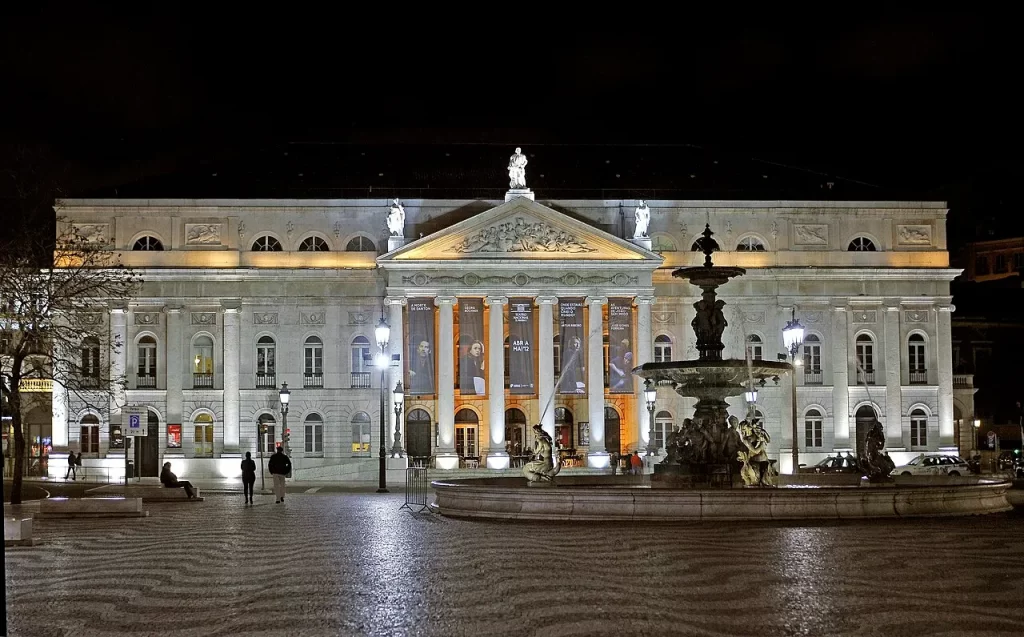
Today, the site formerly occupied by the Palácio dos Estaus is home to the Teatro Nacional D. Maria II, inaugurated in 1846. Built after the disappearance of the inquisitorial palace, the theatre represents a profound symbolic reversal of the place’s historical function. Where the Lisbon Inquisition once operated its tribunals, prisons, and public rituals of punishment, the space is now dedicated to dramatic arts and civic culture. Although no visible trace of the Inquisition remains in the building itself, the continuity of location on the northern edge of Rossio preserves the site as a key reference point for understanding the layered history of repression, memory, and transformation in Lisbon’s urban landscape.

Gallery
Article researched and curated by Jew Where.

The Jew Where project is collaborative. Do you have additional information, found an inaccuracy, or have historical photos of this location? Contact our team.
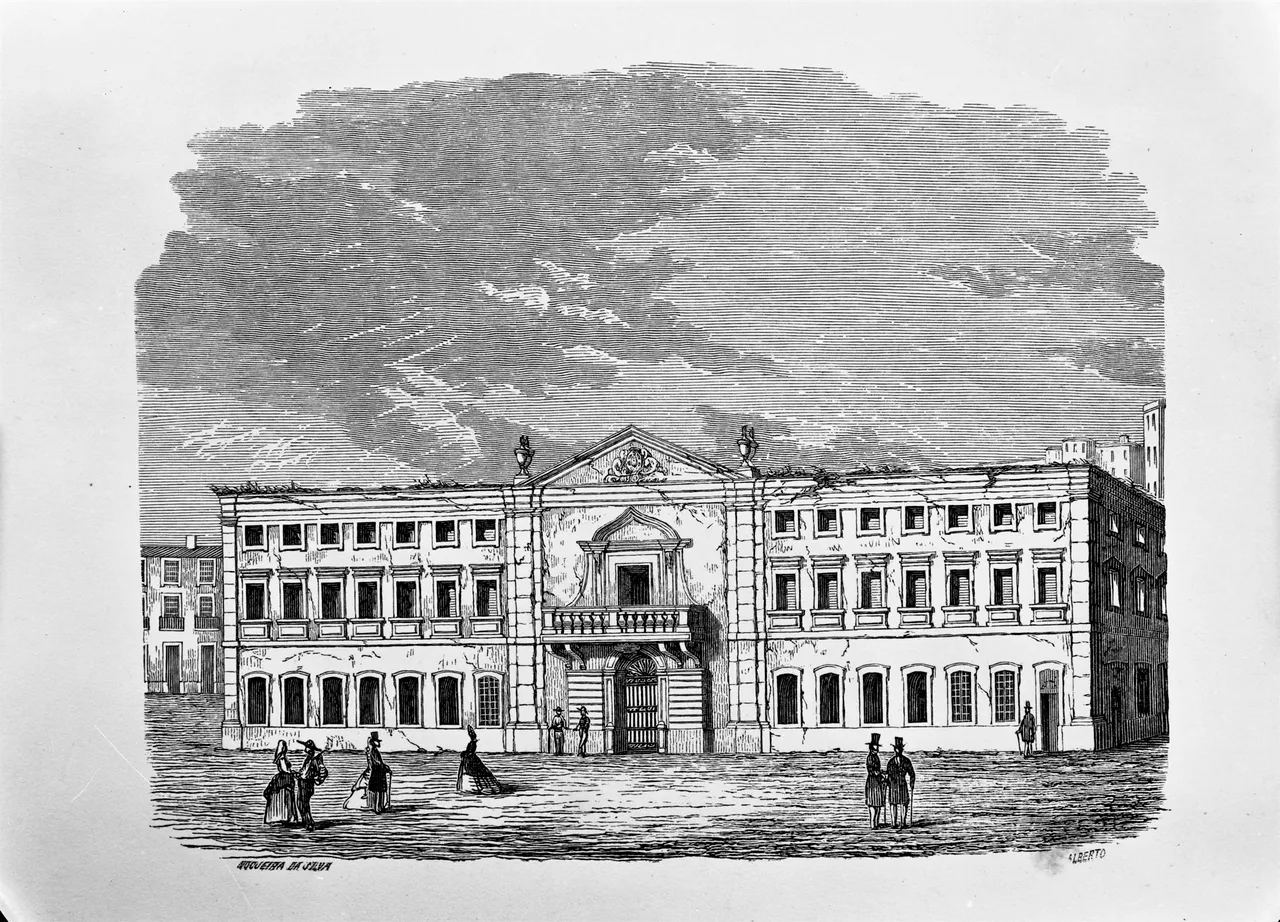
The Palace of the Inquisition (Estaus Palace)
Portugal / Lisbon / History & Archaeology

The Palace of the Inquisition (Estaus Palace)

"Former royal guesthouse turned inquisitorial seat on Rossio; the palace disappeared, and Teatro Nacional D. Maria II now occupies the site."

Location
Teatro Nacional D. Maria II, Praça Dom Pedro IV, Lisbon, Portugal

The Palace of the Lisbon Inquisition, historically known as the Palácio dos Estaus, stood on the northern edge of the Rossio, Lisbon’s principal civic square. From the mid 16th century onward, this building became the central seat of the Tribunal do Santo Ofício in the capital, embodying the institutional and symbolic power of the Portuguese Inquisition over the city and the kingdom.

Originally erected in the late 15th century as a royal guesthouse to receive foreign dignitaries, the Estaus palace was appropriated by the Inquisition shortly after the formal establishment of the tribunal in Portugal in 1536. Its location was deliberate. Positioned directly on Rossio, the heart of Lisbon’s political, judicial, and commercial life, the palace anchored inquisitorial authority within the most visible and frequented urban space.

Within its walls operated the full bureaucratic machinery of persecution: interrogation chambers, offices of notaries and inquisitors, archives, and detention areas for prisoners awaiting trial. Many of those detained were New Christians of Jewish origin, accused of practicing Judaism in secret. For Lisbon’s converso population, the palace was not an abstract symbol but a concrete destination, often marking the beginning of imprisonment, confiscation of property, exile, or death.

The palace was also directly connected to the public ritual of punishment. Autos da fé were staged in Rossio itself, transforming the square into a theater of fear and discipline. Prisoners were escorted from the palace to the scaffold before large crowds, reinforcing inquisitorial power through spectacle and collective intimidation. The proximity between tribunal, prison, and execution ground created a continuous geography of repression within the city.

The Lisbon Inquisition operated from the Estaus palace for more than two centuries. Its authority extended beyond religious control, deeply shaping social behavior, economic networks, and family histories, particularly among descendants of medieval Portuguese Jewry. Even after the gradual decline of inquisitorial activity in the 18th century, the building remained charged with the memory of surveillance and coercion.

The devastating earthquake of 1755 severely damaged the palace. Although the structure was partially rebuilt, its function changed, and the Inquisition itself was definitively abolished in 1821. The physical disappearance of the palace over time contrasts sharply with the endurance of its historical significance. Today, Rossio bears no visible architectural trace of the inquisitorial complex, yet the site remains one of the most important locations for understanding the mechanisms of persecution and the lived experience of Jews and New Christians in early modern Lisbon.

Today, the site formerly occupied by the Palácio dos Estaus is home to the Teatro Nacional D. Maria II, inaugurated in 1846. Built after the disappearance of the inquisitorial palace, the theatre represents a profound symbolic reversal of the place’s historical function. Where the Lisbon Inquisition once operated its tribunals, prisons, and public rituals of punishment, the space is now dedicated to dramatic arts and civic culture. Although no visible trace of the Inquisition remains in the building itself, the continuity of location on the northern edge of Rossio preserves the site as a key reference point for understanding the layered history of repression, memory, and transformation in Lisbon’s urban landscape.

Timeline

  • 1451 The Estaus palace was provisionally inaugurated as a royal guesthouse for foreign embassies.
  • 1536 The Portuguese Inquisition was formally established.
  • 1571 Palácio dos Estaus became the seat of the Lisbon Inquisition and the General Council of the Santo Ofício.
  • 1755 The Lisbon earthquake severely damaged the palace.
  • 1821 The Tribunal do Santo Ofício and the Inquisition were abolished in Portugal.
  • 1846 Teatro Nacional D. Maria II was inaugurated on the same site.

Sources & Bibliography

  1. RIJO, Delmira Miguéns. Palácio dos Estaus de Hospedaria Real a Palácio da Inquisição e Tribunal do Santo Ofício. Cadernos do Arquivo Municipal, 2.ª Série, n.º 5. Local: Lisboa. Editora: Cadernos do Arquivo Municipal. Ano: 2016. https://doi.org/10.48751/CAM-2016-5218
  2. BETHENCOURT, Francisco. The Inquisition. A Global History, 1478-1834. Local: Cambridge; New York. Editora: Cambridge University Press. Ano: 2009. https://assets.cambridge.org/97805218/47933/frontmatter/9780521847933_frontmatter.pdf
  3. MARCOCCI, Giuseppe; PAIVA, José Pedro. História da Inquisição Portuguesa. 1536-1821. Local: Lisboa. Editora: A Esfera dos Livros. Ano: 2016. https://esferadoslivros.pt/livros/historia/historia-da-inquisicao-portuguesa-1536-1821
  4. Arquivo Nacional Torre do Tombo. Inquisição de Lisboa online. Local: Lisboa. Editora: Arquivo Nacional Torre do Tombo. Ano: n.d. https://antt.dglab.gov.pt/exposicoes-virtuais-2/inquisicao-de-lisboa-online
  5. Arquivo Nacional Torre do Tombo. Extinção do Tribunal do Santo Ofício e da Inquisição. Local: Lisboa. Editora: Arquivo Nacional Torre do Tombo. Ano: n.d. https://antt.dglab.gov.pt/exposicoes-virtuais-2/tribunal-do-santo-oficio

Additional Information

Current use: The original palace no longer exists; the site is now occupied by Teatro Nacional D. Maria II.

Article researched and curated by Jew Where.

The Jew Where project is collaborative. Do you have additional information, found an inaccuracy, or have historical photos of this location? Contact our team.