Skip to content

New Christians of Monsanto / Inquisition Visitations

"Documentary memory of Monsanto’s New Christians through Inquisition visitations, arrests, family persecution, taxation and movement in Idanha-a-Nova."

The New Christians of Monsanto are documented mainly through records of persecution, visitation, denunciation and arrest. After the forced conversion of Portuguese Jews in 1497, families of Jewish origin continued to live in Monsanto and remained visible to ecclesiastical and inquisitorial authorities.

Inquisition Visitations in Monsanto

Monsanto was affected by three major waves of investigation. The first was a visitation of the Bishopric of Guarda in 1572. Later, the Inquisition of Lisbon carried out visitations in the region in 1579 and 1618.

These visitations were not abstract administrative acts. They opened the way for denunciations, arrests and the disruption of family life. In this context, the New Christians of Monsanto appear in the record as a persecuted local community within the wider crypto-Jewish geography of Idanha-a-Nova and the Beira Interior.

The Rodrigues Family

One of the clearest documented episodes concerns the Rodrigues family. In 1572, nine members of this family were arrested in Monsanto. One daughter managed to escape before being taken.

The case shows how persecution could reach an entire household. It also explains why later records point to flight, displacement and caution among Monsanto’s New Christians. After this episode, some people connected to Monsanto appear in inquisitorial records from other places where they had taken refuge.

Monsanto and Idanha-a-Nova

The New Christians of Monsanto continued to be recorded into the seventeenth century. In 1631, they were still present enough to be included in a special fiscal register connected to the General Pardon, alongside New Christians from Idanha-a-Nova, Proença-a-Velha, Medelim, Salvaterra and Segura.

The documentation also shows movement between Monsanto and Idanha-a-Nova. This mobility was part of a broader pattern of survival in the region, shaped by family ties, suspicion, arrest, flight and the constant pressure of inquisitorial control.

Gallery
Community notes

Comments

Logged-in visitors can submit comments for moderation before they appear publicly.

No comments yet.

Article researched and curated by Jew Where.

The Jew Where project is collaborative. Do you have additional information, found an inaccuracy, or have historical photos of this location? Contact our team.
New Christians of Monsanto / Inquisition Visitations
Portugal / Castelo Branco / Neighborhoods & Settlements

New Christians of Monsanto / Inquisition Visitations

"Documentary memory of Monsanto’s New Christians through Inquisition visitations, arrests, family persecution, taxation and movement in Idanha-a-Nova."

Location
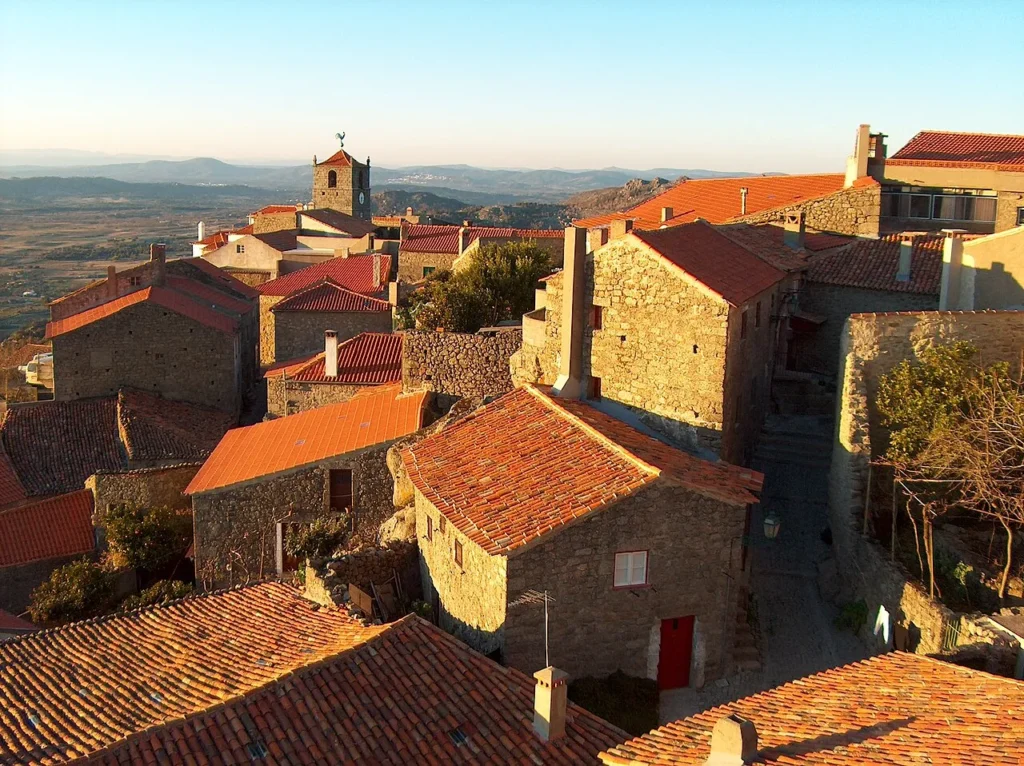
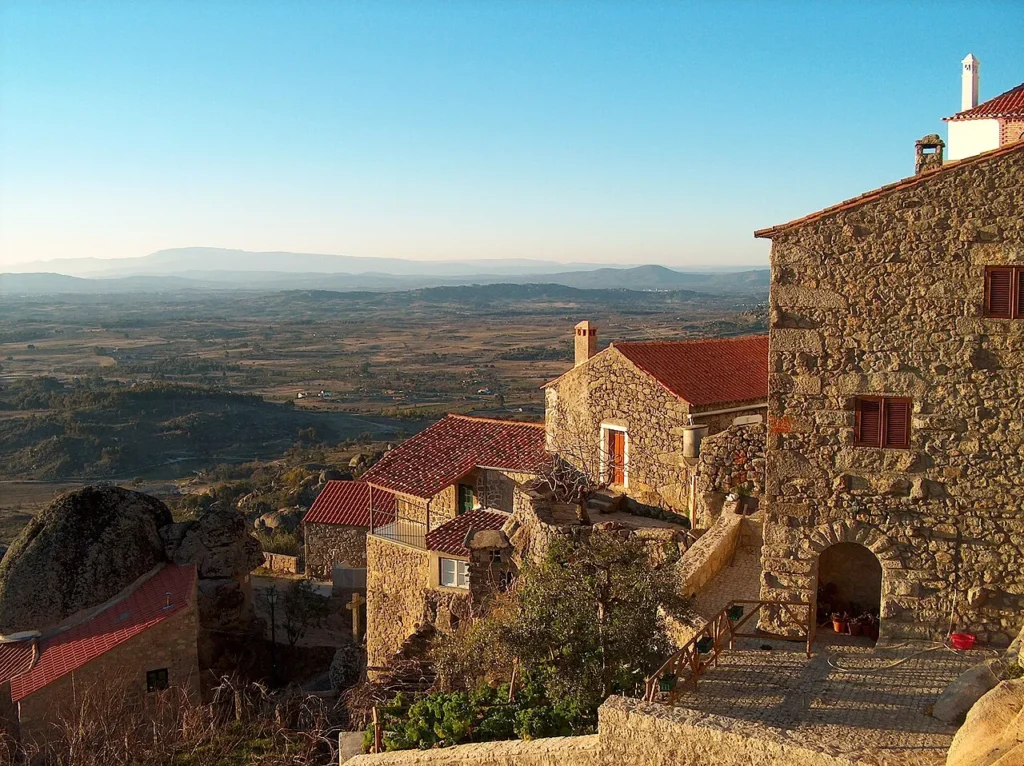
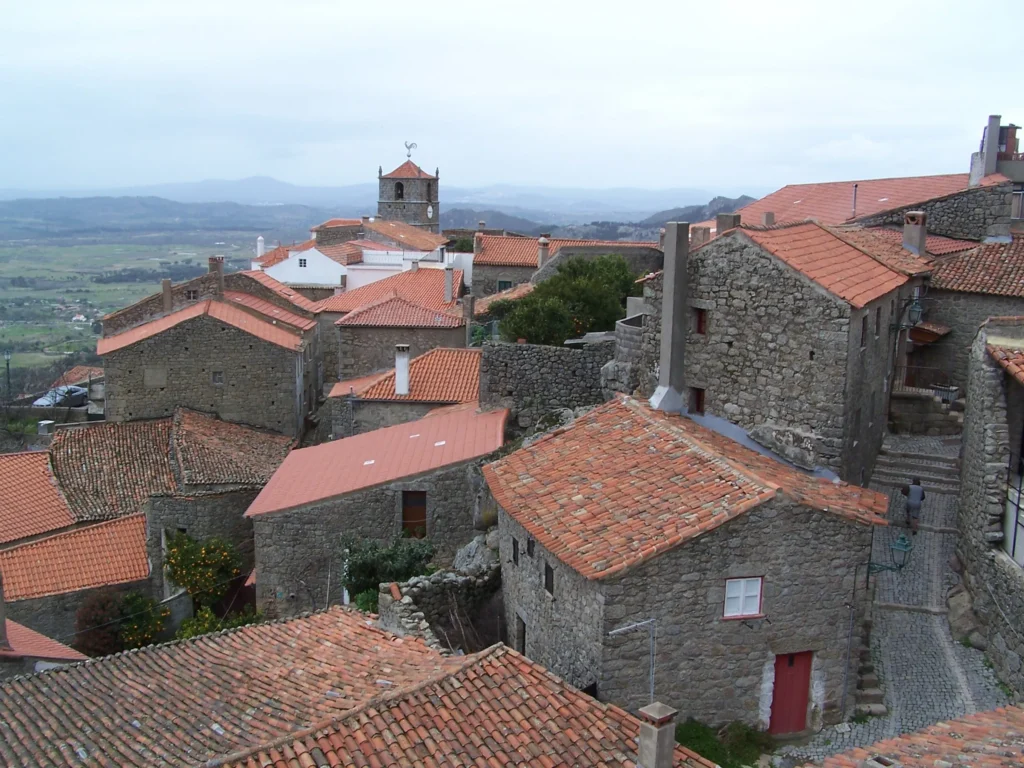
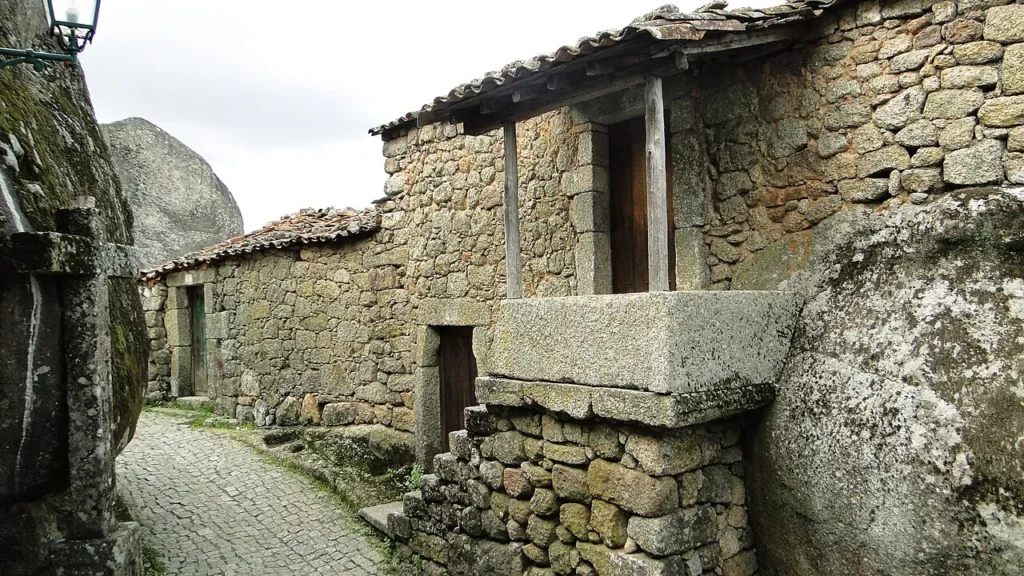
Historic village of Monsanto, Idanha-a-Nova, Castelo Branco, Portugal

The New Christians of Monsanto are documented mainly through records of persecution, visitation, denunciation and arrest. After the forced conversion of Portuguese Jews in 1497, families of Jewish origin continued to live in Monsanto and remained visible to ecclesiastical and inquisitorial authorities.

Inquisition Visitations in Monsanto

Monsanto was affected by three major waves of investigation. The first was a visitation of the Bishopric of Guarda in 1572. Later, the Inquisition of Lisbon carried out visitations in the region in 1579 and 1618.

These visitations were not abstract administrative acts. They opened the way for denunciations, arrests and the disruption of family life. In this context, the New Christians of Monsanto appear in the record as a persecuted local community within the wider crypto-Jewish geography of Idanha-a-Nova and the Beira Interior.

The Rodrigues Family

One of the clearest documented episodes concerns the Rodrigues family. In 1572, nine members of this family were arrested in Monsanto. One daughter managed to escape before being taken.

The case shows how persecution could reach an entire household. It also explains why later records point to flight, displacement and caution among Monsanto’s New Christians. After this episode, some people connected to Monsanto appear in inquisitorial records from other places where they had taken refuge.

Monsanto and Idanha-a-Nova

The New Christians of Monsanto continued to be recorded into the seventeenth century. In 1631, they were still present enough to be included in a special fiscal register connected to the General Pardon, alongside New Christians from Idanha-a-Nova, Proença-a-Velha, Medelim, Salvaterra and Segura.

The documentation also shows movement between Monsanto and Idanha-a-Nova. This mobility was part of a broader pattern of survival in the region, shaped by family ties, suspicion, arrest, flight and the constant pressure of inquisitorial control.

Timeline

  • 1497 Forced conversion of Portuguese Jews created the New Christian population later documented in Monsanto.
  • 1572 Visitation of the Bishopric of Guarda; nine members of the Rodrigues family were arrested in Monsanto.
  • 1579 The Inquisition of Lisbon carried out a visitation in the region.
  • 1618 A further Lisbon Inquisition visitation affected the region.
  • 1631 New Christians of Monsanto were included in a special fiscal register connected to the General Pardon.

Sources & Bibliography

  1. Martins, Jorge. A Comunidade Criptojudaica de Monsanto. Editora: Âncora Editora. Ano: 2022. https://ancora-editora.pt/produto/a-comunidade-criptojudaica-de-monsanto

Additional Information

Location note: The pin is placed in the historic village of Monsanto as a documentary-memory point; the supplied text does not identify a specific surviving building, street or former communal structure.

Article researched and curated by Jew Where.

The Jew Where project is collaborative. Do you have additional information, found an inaccuracy, or have historical photos of this location? Contact our team.