Skip to content

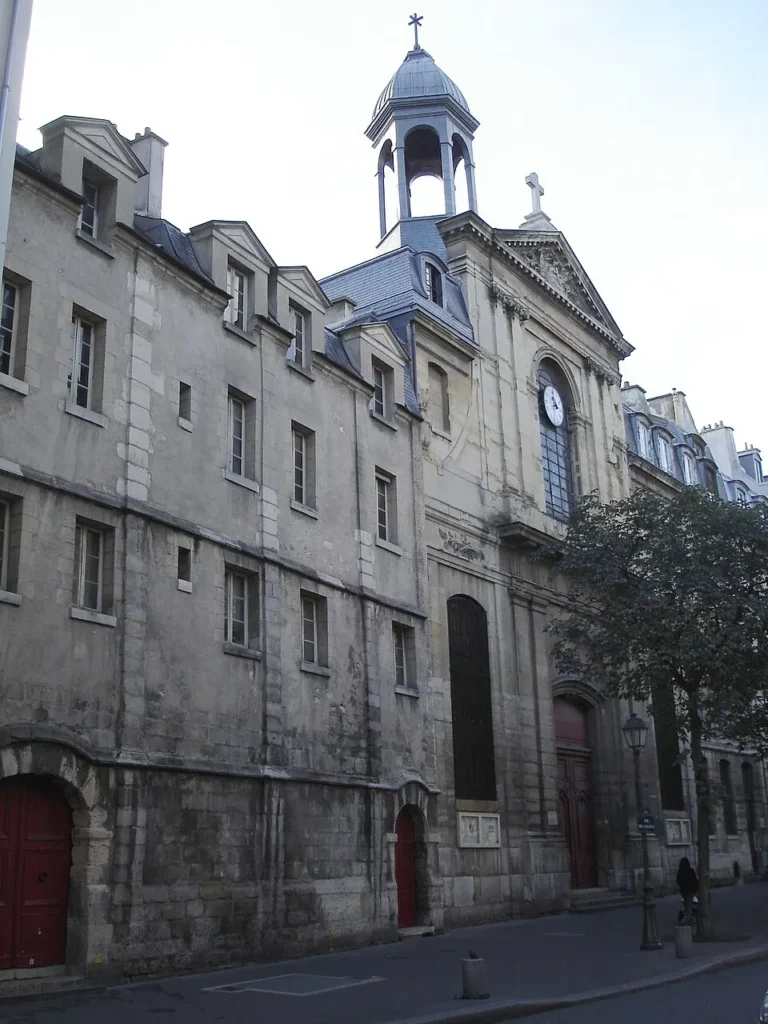
"Les Billettes is linked to the 1290 accusation against Jonathas, his execution, and the chapel built on the place identified as his house."

The Church and Cloister of Les Billettes form one of the clearest urban examples of medieval anti-Judaism in France. The site is linked to a thirteenth-century accusation against a Jew in Paris and to the transformation of that accusation into Christian devotion, pilgrimage and architecture.

The accusation against Jonathas

In 1290, a Jewish man in Paris named Jonathas was accused of profaning a consecrated host. According to the Christian narrative, he cut the host with a knife, the host bled, and it later survived boiling water. This story became known as the “miracle” of Les Billettes.

The accusation belonged to a wider medieval pattern of host-desecration charges against Jews. In these narratives, Christian devotion to the Eucharist was turned into accusations of Jewish hatred toward Christianity. In the case of Les Billettes, the charge led directly to the death of Jonathas.

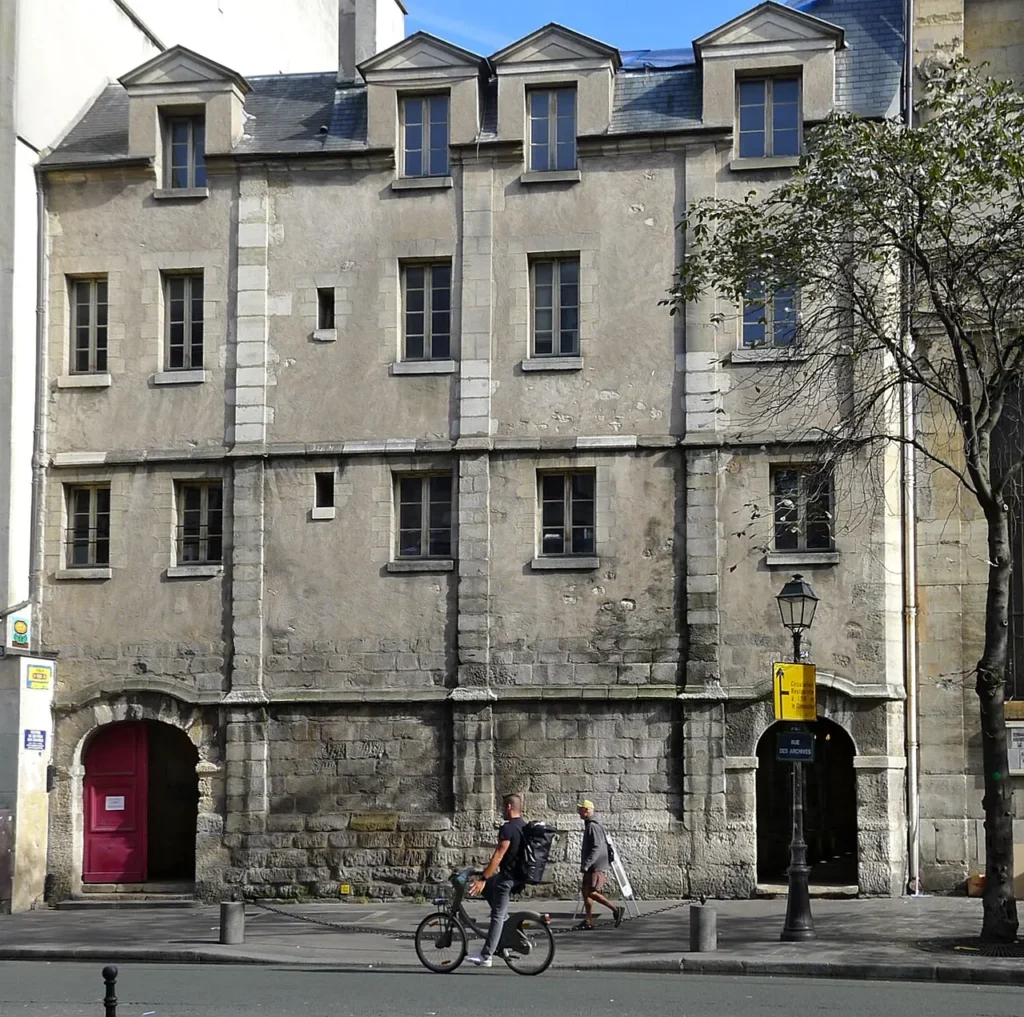
Jonathas was condemned to death and burned. The place identified as his house was then transformed into a Christian site of devotion. A first chapel was built there in 1294.

Les Billettes and medieval anti-Judaism

Les Billettes became a lasting monument to the accusation. The site turned the alleged crime of a Jew into a permanent Christian memory inside the city. In this sense, Les Billettes is also a material record of medieval anti-Judaism in Paris.

In 1299, Philippe IV entrusted the chapel to the Frères hospitaliers de la Charité-Notre-Dame, known as the Billettes. The chapel became a place of pilgrimage, supported by the devotional narrative attached to the host and to the supposed house of Jonathas.

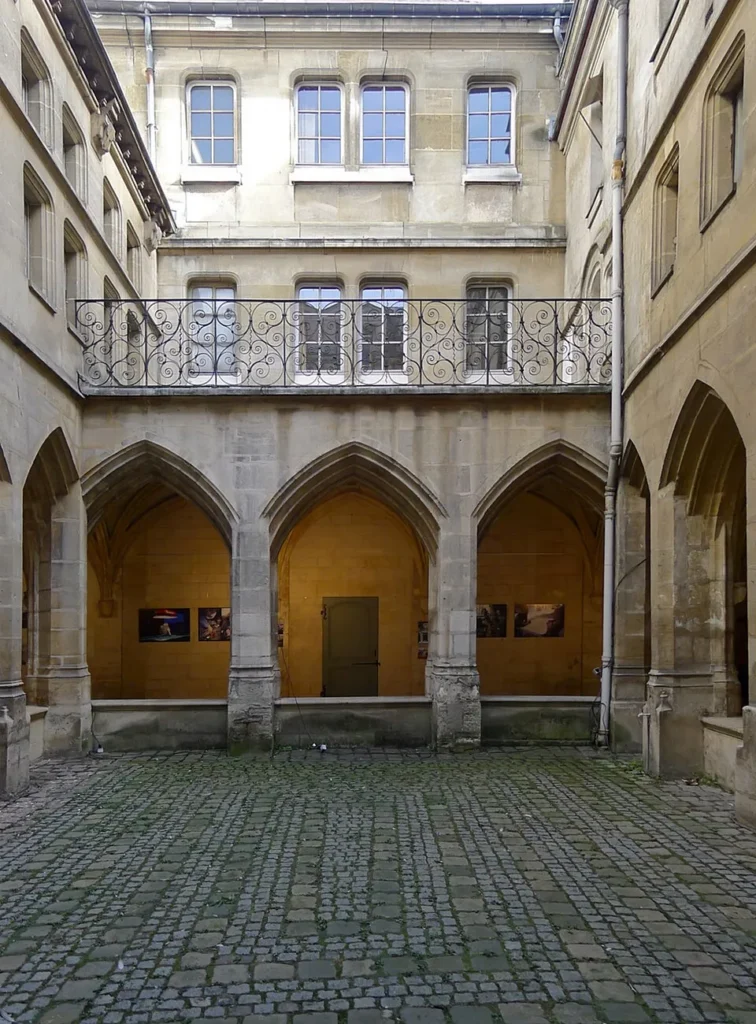
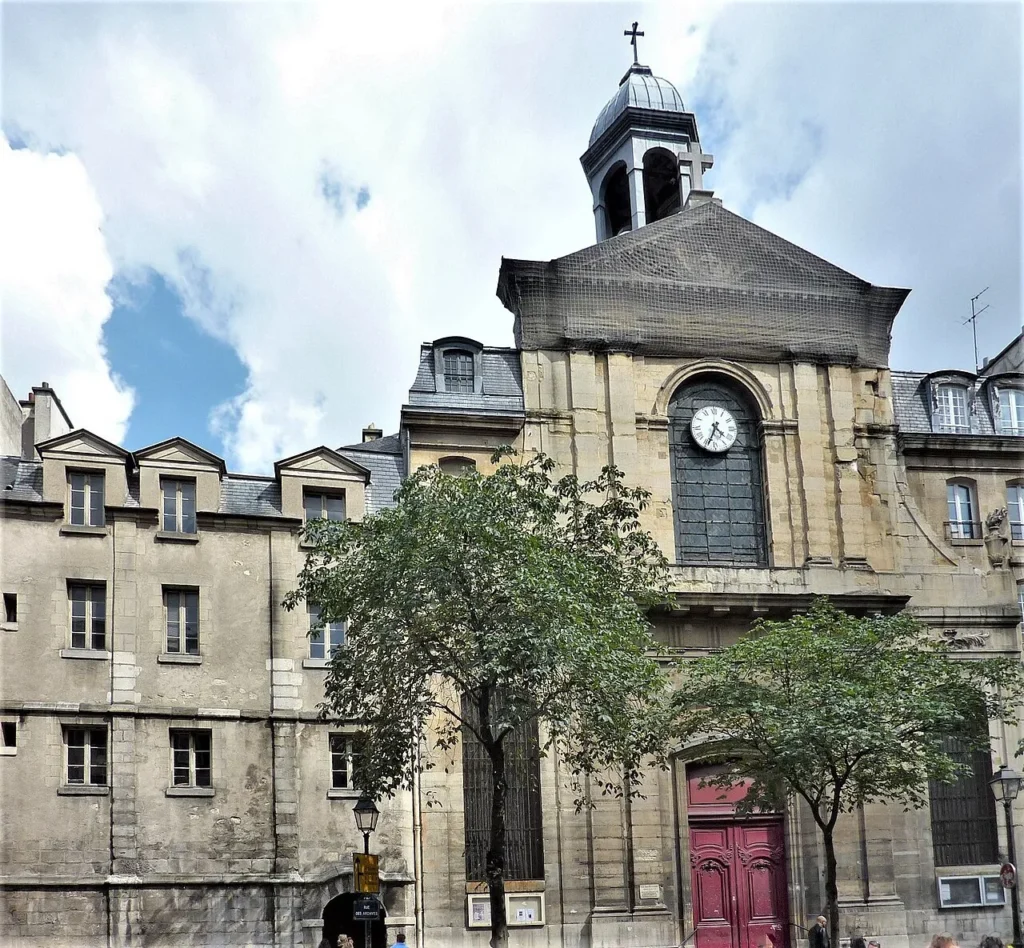
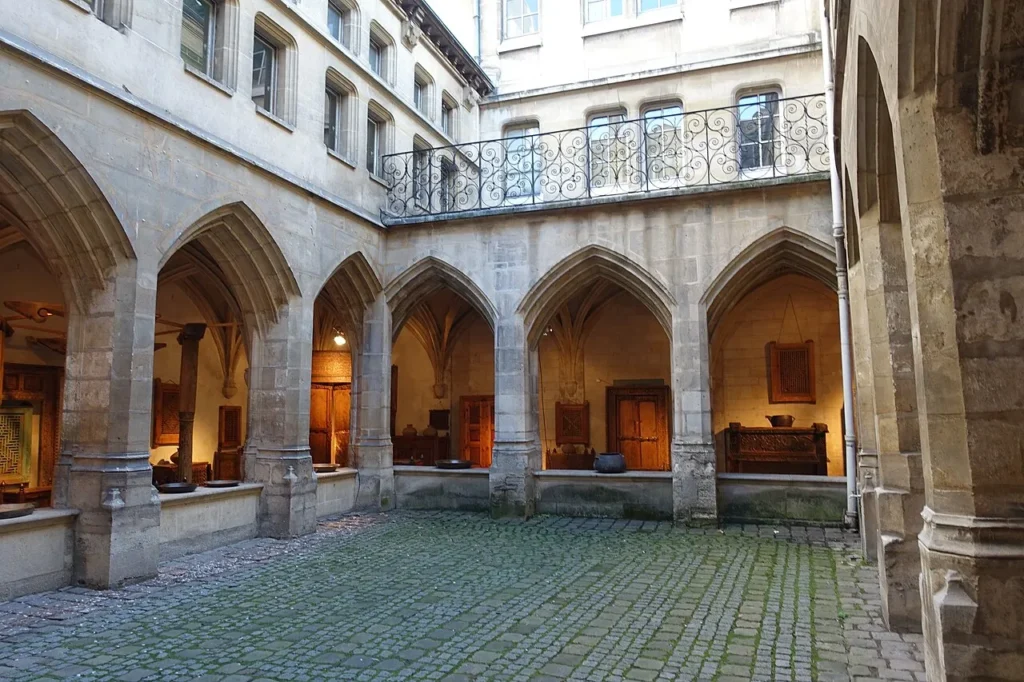
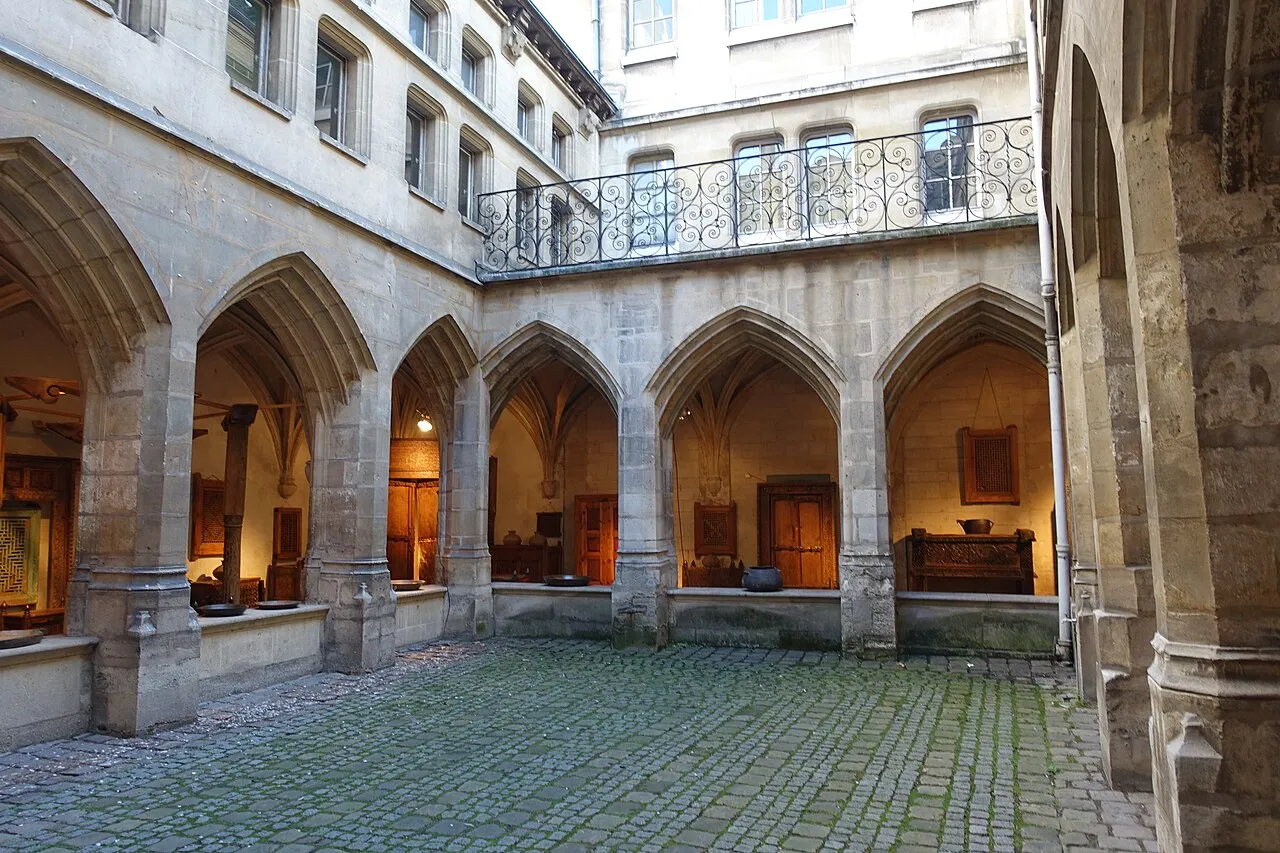
The church was rebuilt in 1405, and a cloister was added in 1427. The present church was rebuilt in the eighteenth century. After the French Revolution, the complex was acquired by the City of Paris and later assigned to Lutheran worship.

Gallery
Community notes

Comments

Logged-in visitors can submit comments for moderation before they appear publicly.

No comments yet.

Article researched and curated by Jew Where.

The Jew Where project is collaborative. Do you have additional information, found an inaccuracy, or have historical photos of this location? Contact our team.
Les Billettes
France / Île-de-France / History & Archaeology

Les Billettes

"Les Billettes is linked to the 1290 accusation against Jonathas, his execution, and the chapel built on the place identified as his house."

Location
24 Rue des Archives, 75004 Paris, France

The Church and Cloister of Les Billettes form one of the clearest urban examples of medieval anti-Judaism in France. The site is linked to a thirteenth-century accusation against a Jew in Paris and to the transformation of that accusation into Christian devotion, pilgrimage and architecture.

The accusation against Jonathas

In 1290, a Jewish man in Paris named Jonathas was accused of profaning a consecrated host. According to the Christian narrative, he cut the host with a knife, the host bled, and it later survived boiling water. This story became known as the “miracle” of Les Billettes.

The accusation belonged to a wider medieval pattern of host-desecration charges against Jews. In these narratives, Christian devotion to the Eucharist was turned into accusations of Jewish hatred toward Christianity. In the case of Les Billettes, the charge led directly to the death of Jonathas.

Jonathas was condemned to death and burned. The place identified as his house was then transformed into a Christian site of devotion. A first chapel was built there in 1294.

Les Billettes and medieval anti-Judaism

Les Billettes became a lasting monument to the accusation. The site turned the alleged crime of a Jew into a permanent Christian memory inside the city. In this sense, Les Billettes is also a material record of medieval anti-Judaism in Paris.

In 1299, Philippe IV entrusted the chapel to the Frères hospitaliers de la Charité-Notre-Dame, known as the Billettes. The chapel became a place of pilgrimage, supported by the devotional narrative attached to the host and to the supposed house of Jonathas.

The church was rebuilt in 1405, and a cloister was added in 1427. The present church was rebuilt in the eighteenth century. After the French Revolution, the complex was acquired by the City of Paris and later assigned to Lutheran worship.

Timeline

  • 1290 Jonathas, a Jewish man in Paris, was accused of profaning a consecrated host, condemned to death and burned.
  • 1294 A first chapel was built on the place identified as the house of Jonathas.
  • 1299 Philippe IV entrusted the chapel to the Frères hospitaliers de la Charité-Notre-Dame, known as the Billettes.
  • 1405 The church was rebuilt after the site became an important place of pilgrimage.
  • 1427 A cloister and cemetery were added to the complex.
  • 1754-1758 The present church was rebuilt in the eighteenth century.
  • 1793 The church and convent were sold as national property during the French Revolution.
  • 1808 The City of Paris acquired the buildings.
  • 1812 The site was assigned to Lutheran worship.
  • 1862 The medieval cloister was classified as a Monument historique.
  • 1990 The church was classified as a Monument historique.

Sources & Bibliography

  1. Église luthérienne des Billettes. L’histoire des Billettes. Paris: Église luthérienne des Billettes. Ano: n.d. https://eglise-billettes.epudf.org/lhistoire-des-billettes
  2. Ville de Paris. Église luthérienne des Billettes. Paris: Ville de Paris. Ano: n.d. https://www.paris.fr/lieux/eglise-lutherienne-des-billettes-19468
  3. Musée protestant. The Lutheran Église des Billettes. Paris: Musée protestant. Ano: n.d. https://museeprotestant.org/en/notice/eglise-lutherienne-des-billettes
  4. MARMURSZTEJN, Elsa. Du récit exemplaire au casus universitaire : une variation théologique sur le thème de la profanation d’hosties par les juifs (1290). Médiévales, no. 41, pp. 37-64. Ano: 2001. https://www.persee.fr/doc/medi_0751-2708_2001_num_20_41_1524

Additional Information

Official website: https://eglise-billettes.epudf.org
Email: [email protected]
Phone: +33 1 42 77 90 09
Instagram: https://www.instagram.com/eglise_billettes
Current use of the address: The complex is used by a Lutheran parish; the cloister is also used for exhibitions.
Worship schedule: Sunday worship at 18:00, with organ welcome from 17:30; Thursday sung vespers at 19:00

Article researched and curated by Jew Where.

The Jew Where project is collaborative. Do you have additional information, found an inaccuracy, or have historical photos of this location? Contact our team.