
Skip to content

"Older medieval Jewish quarter of Viseu, near the cathedral, with documented references to Rua da Judiaria and the synagogue before the move to Judiaria Nova."

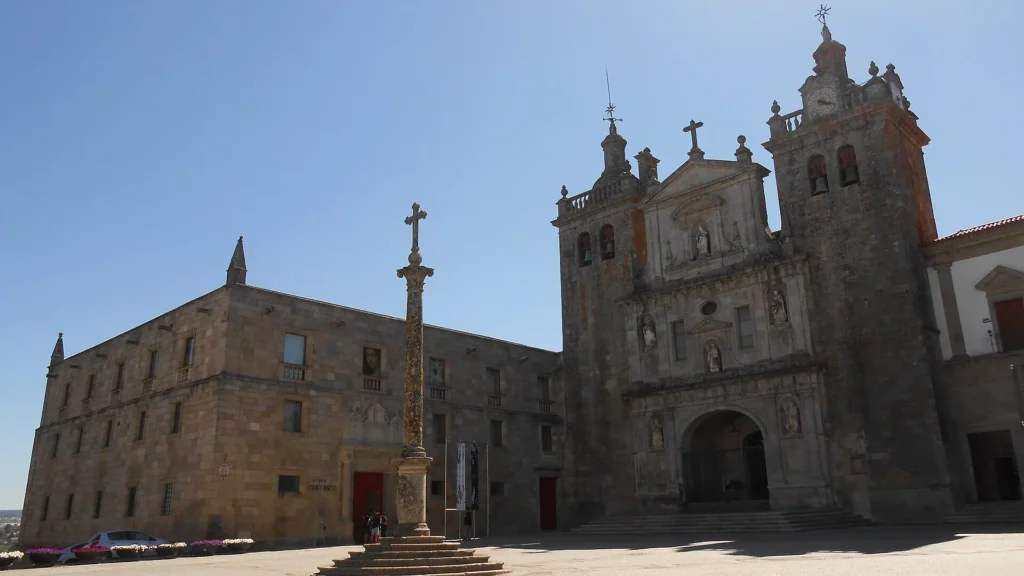
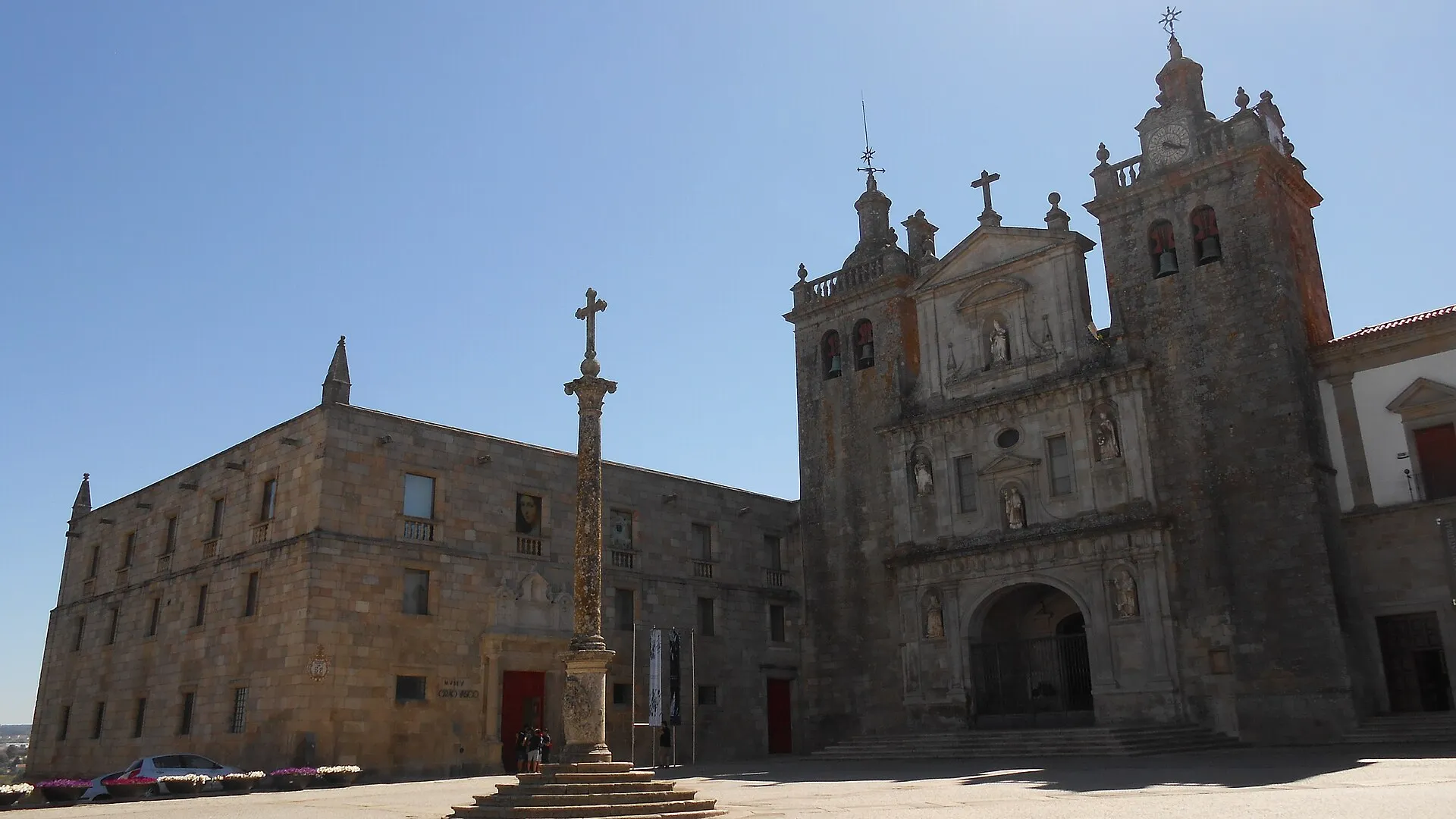
The Judiaria Velha de Viseu was located near the cathedral, in the area of the present Rua da Senhora da Boa Morte. In the medieval city, this zone stood between the Praça, the Triparia and the streets that led toward Rua das Tendas, close to one of the main centres of religious, commercial and urban power in Viseu.

Early Jewish Presence in Viseu

The first known traces of Jews in Viseu date back to 1284. One of the earliest recorded names is Abraão, a Jew of Viseu connected to houses in the arrabalde. In the following decades, Jewish households appear near Cimo de Vila and São Domingos, in areas also inhabited by Christians.

During the second half of the fourteenth century, the Jewish community moved closer to the centre of the city. In 1379, the synagogue of Viseu is documented near the Praça and the Triparia, in one of the small lanes that departed from Rua das Tendas.

The Synagogue of the Judiaria Velha

The synagogue of the Judiaria Velha should be placed within this older urban core. The documentation locates it close to the Praça and the Triparia, in one of the lanes connected to Rua das Tendas. The exact building has not been identified, but the written record makes clear that the synagogue belonged to the area later associated with Rua da Judiaria Velha.

In 1408, David de Pam Corvo and his wife Reyna leased from the cathedral chapter a house on the street that went to the synagogue. This reference is especially important because it places Jewish domestic space, cathedral property and the access route to the synagogue within the same documented urban setting.

The Medieval Rua da Judiaria

In 1386, Rua da Judiaria appears in the written record. This medieval street corresponds to the present Rua da Senhora da Boa Morte. It stood close to the cathedral and to the Torre dos Sinos, later known as the Torre do Relógio.

The location is important because it places the Judiaria Velha de Viseu inside a dense urban environment. Jewish houses, Christian properties, cathedral holdings, shops and streets of circulation existed side by side in this part of the city.

From Judiaria Velha to Judiaria Nova

Between 1415 and 1418, the Jewish quarter was gradually displaced to a nearby area, farther from the cathedral. From then on, the older street became known as Rua da Judiaria Velha, while the new area developed as the Judiaria Nova.

The Judiaria Velha de Viseu is therefore not only a preserved urban name. It marks the older documented centre of Jewish life in medieval Viseu, including the area of the synagogue before the community’s movement toward the later Judiaria Nova.

Gallery
Community notes

Comments

Logged-in visitors can submit comments for moderation before they appear publicly.

No comments yet.

Article researched and curated by Jew Where.

The Jew Where project is collaborative. Do you have additional information, found an inaccuracy, or have historical photos of this location? Contact our team.
Judiaria Velha de Viseu
Portugal / Viseu / Neighborhoods & Settlements

Judiaria Velha de Viseu

"Older medieval Jewish quarter of Viseu, near the cathedral, with documented references to Rua da Judiaria and the synagogue before the move to Judiaria Nova."

Location
Rua Senhora da Boa Morte, Viseu, Portugal

The Judiaria Velha de Viseu was located near the cathedral, in the area of the present Rua da Senhora da Boa Morte. In the medieval city, this zone stood between the Praça, the Triparia and the streets that led toward Rua das Tendas, close to one of the main centres of religious, commercial and urban power in Viseu.

Early Jewish Presence in Viseu

The first known traces of Jews in Viseu date back to 1284. One of the earliest recorded names is Abraão, a Jew of Viseu connected to houses in the arrabalde. In the following decades, Jewish households appear near Cimo de Vila and São Domingos, in areas also inhabited by Christians.

During the second half of the fourteenth century, the Jewish community moved closer to the centre of the city. In 1379, the synagogue of Viseu is documented near the Praça and the Triparia, in one of the small lanes that departed from Rua das Tendas.

The Synagogue of the Judiaria Velha

The synagogue of the Judiaria Velha should be placed within this older urban core. The documentation locates it close to the Praça and the Triparia, in one of the lanes connected to Rua das Tendas. The exact building has not been identified, but the written record makes clear that the synagogue belonged to the area later associated with Rua da Judiaria Velha.

In 1408, David de Pam Corvo and his wife Reyna leased from the cathedral chapter a house on the street that went to the synagogue. This reference is especially important because it places Jewish domestic space, cathedral property and the access route to the synagogue within the same documented urban setting.

The Medieval Rua da Judiaria

In 1386, Rua da Judiaria appears in the written record. This medieval street corresponds to the present Rua da Senhora da Boa Morte. It stood close to the cathedral and to the Torre dos Sinos, later known as the Torre do Relógio.

The location is important because it places the Judiaria Velha de Viseu inside a dense urban environment. Jewish houses, Christian properties, cathedral holdings, shops and streets of circulation existed side by side in this part of the city.

From Judiaria Velha to Judiaria Nova

Between 1415 and 1418, the Jewish quarter was gradually displaced to a nearby area, farther from the cathedral. From then on, the older street became known as Rua da Judiaria Velha, while the new area developed as the Judiaria Nova.

The Judiaria Velha de Viseu is therefore not only a preserved urban name. It marks the older documented centre of Jewish life in medieval Viseu, including the area of the synagogue before the community’s movement toward the later Judiaria Nova.

Timeline

  • 1284 First known documentary reference to a Jew of Viseu, named Abraão.
  • 1379 The synagogue of Viseu is documented near the Praça and the Triparia.
  • 1386 Rua da Judiaria appears in the written record.
  • 1408 David de Pam Corvo and Reyna lease a house on the street that went to the synagogue.
  • 1415-1418 The Jewish quarter is gradually displaced toward the later Judiaria Nova.

Sources & Bibliography

  1. SARAIVA, Anísio Miguel de Sousa. Metamorfoses da cidade medieval. A coexistência entre a comunidade judaica e a catedral de Viseu. Medievalista, n.º 11. Editora: Instituto de Estudos Medievais. Ano: 2012. https://doi.org/10.4000/medievalista.793

Additional Information

Current use of the address: The present Rua Senhora da Boa Morte is a public street in the historic centre of Viseu; no medieval synagogue building has been securely identified at the site.

Article researched and curated by Jew Where.

The Jew Where project is collaborative. Do you have additional information, found an inaccuracy, or have historical photos of this location? Contact our team.