Skip to content

"Jewish quarter of Torre de Moncorvo, associated with Rua Nova, the Rabi-Mor’s ouvidor, and later New Christian memory."

The Judiaria of Torre de Moncorvo belongs to one of the most significant Jewish landscapes of medieval Trás-os-Montes. Its importance was not only local. In the late medieval organization of Portuguese Jewish communities, Torre de Moncorvo was one of the seats where an ouvidor appointed by the Rabi-Mor acted for the region, placing the town within a wider administrative and judicial framework of Jewish communal life.

Torre de Moncorvo and Jewish communal authority

In the fourteenth and fifteenth centuries, Portuguese Jewish communities were structured through their own communal institutions, under royal authority. The Rabi-Mor, appointed by the king, held wide jurisdiction over Jewish affairs. His representatives, the ouvidores, acted in several regional centres, including Porto, Torre de Moncorvo, Viseu, Covilhã, Santarém, Évora and Faro. This detail is central to understanding the Judiaria of Torre de Moncorvo. It shows that the town was not a marginal Jewish settlement, but part of the formal geography of Jewish administration in the kingdom.

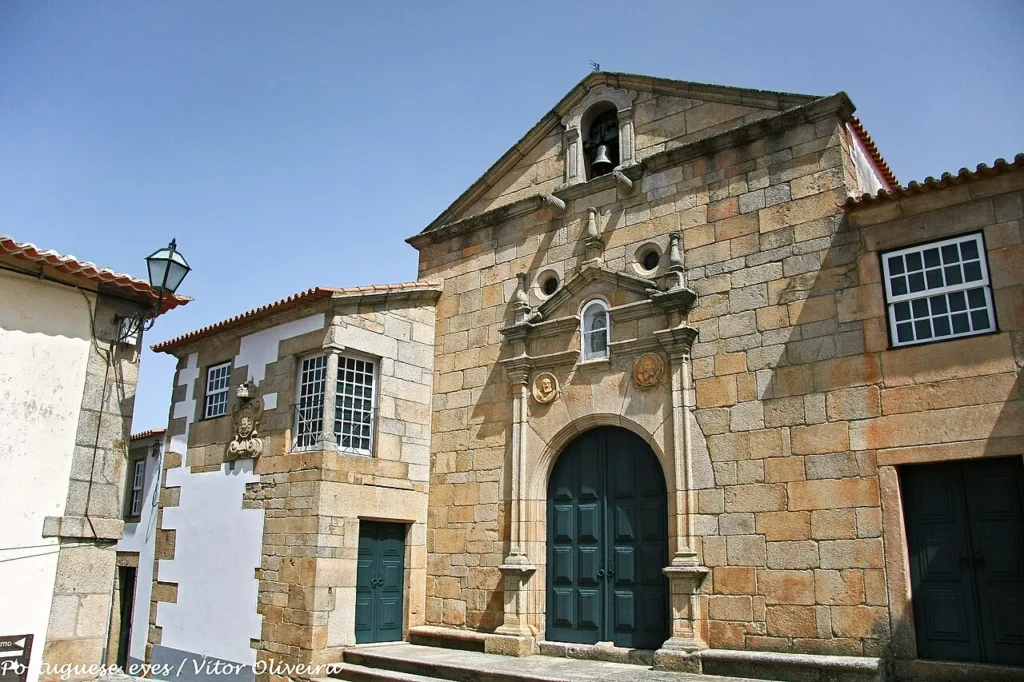
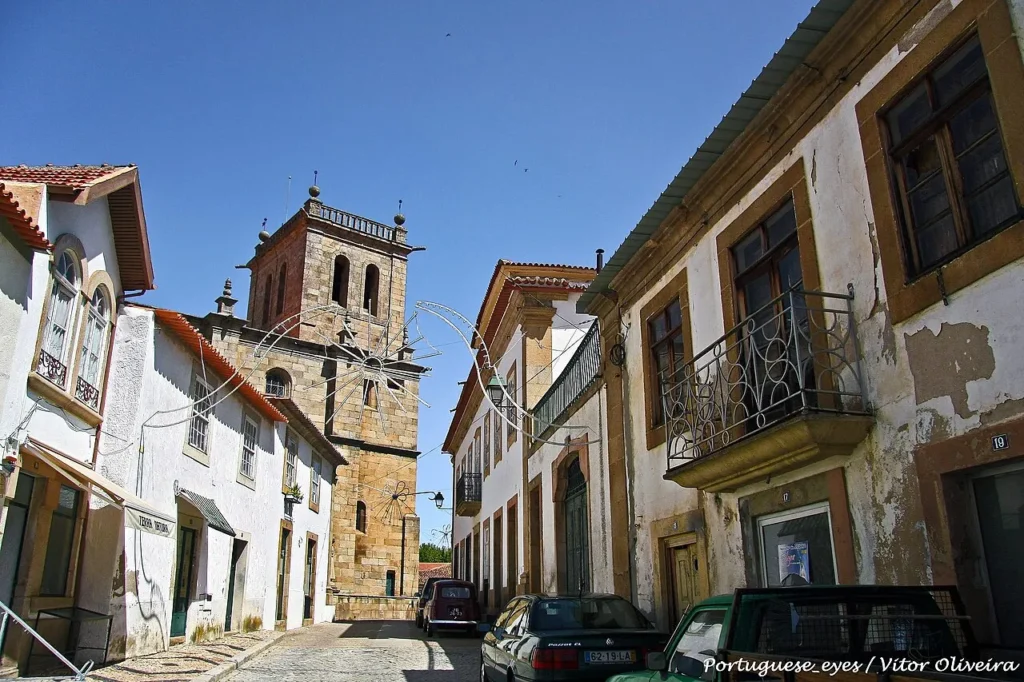
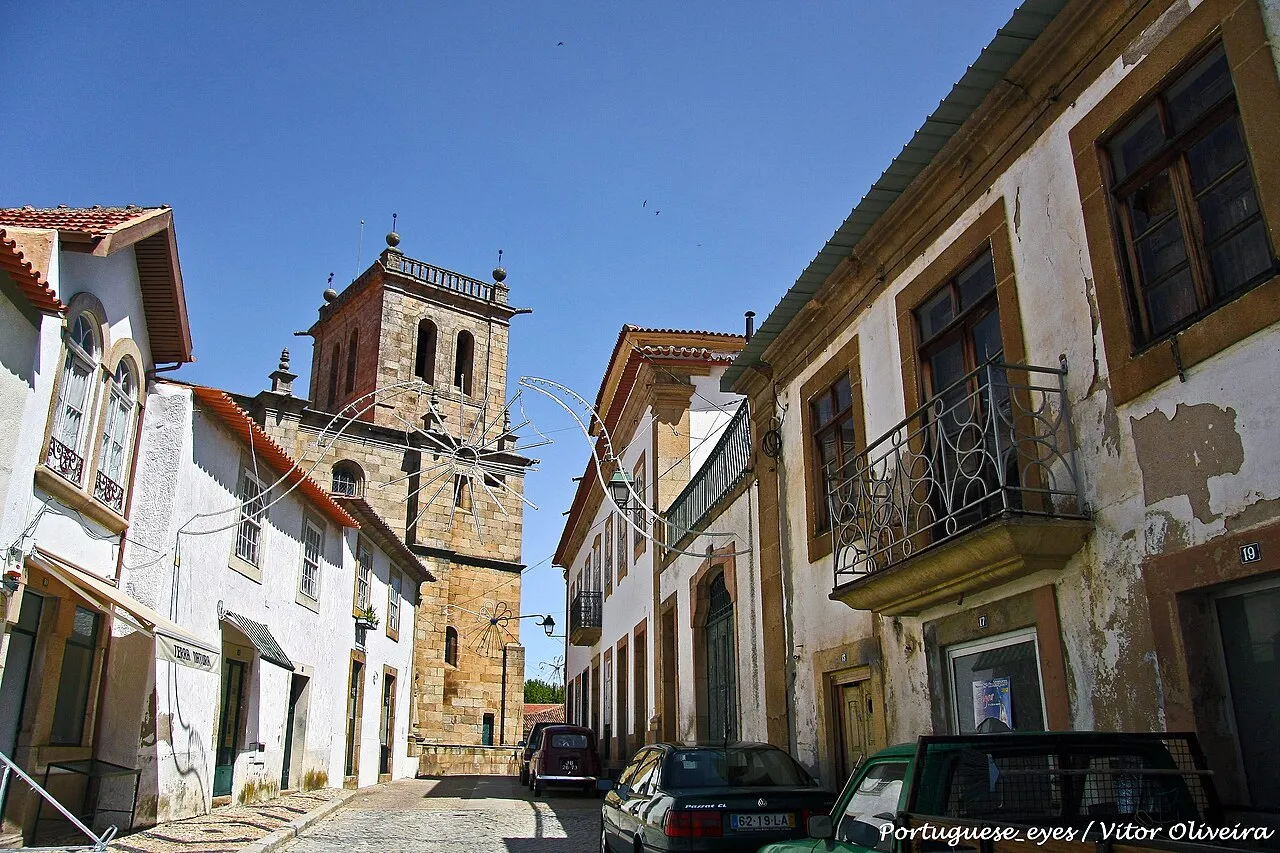
The former Jewish quarter is generally associated with the medieval core of the town, especially the area later known as Rua Nova, near the Igreja da Misericórdia. Local tradition identifies a building in this area as the former synagogue, although this identification should be treated carefully. What can be stated with more confidence is that the area preserves the memory of a Jewish quarter that was transformed after the forced conversion and dismantling of Jewish communal institutions at the end of the fifteenth century.

From Jewish quarter to New Christian memory

After 1496, the public structures of Jewish life in Portugal were suppressed. In Torre de Moncorvo, as elsewhere, the history of the former Jewish community continued through New Christian families, Inquisition records, property memory, and local tradition. The archival traces preserved in Portuguese repositories show individuals from Torre de Moncorvo identified as New Christians and accused in inquisitorial processes, including cases connected to Judaism and heresy.

This later history is essential. The Judiaria of Torre de Moncorvo should not be read only as a medieval street or a vanished quarter. It is also a documentary field connected to the social history of New Christians in northern Portugal. Families, trades, houses, accusations, and movements across Portugal and the Atlantic world made Torre de Moncorvo part of a wider Sephardic and converso geography. The case of Manuel Rodrigues Isidro, documented in the Conselho Ultramarino records, illustrates how figures connected to this milieu moved within broader imperial and economic circuits.

The Judiaria of Torre de Moncorvo today

The contemporary recovery of this memory is linked to the Centro de Estudos Judaicos Maria da Assunção Carqueja e Adriano Vasco Rodrigues. The centre was created in the historic core of Torre de Moncorvo, in the area associated with the former judiaria, and is dedicated to the study, interpretation, and public presentation of Jewish and New Christian history in the municipality.

For this reason, the Judiaria of Torre de Moncorvo has a double relevance. It preserves the memory of a medieval Jewish quarter, but it also points to a deeper institutional history, because the town was linked to the regional authority of the Rabi-Mor’s ouvidor. Today, its value lies less in monumental remains than in the convergence of urban memory, archival documentation, local tradition, and the long history of Jews and New Christians in Trás-os-Montes.

Gallery
Videos

Community notes

Comments

Logged-in visitors can submit comments for moderation before they appear publicly.

No comments yet.

Article researched and curated by Jew Where.

The Jew Where project is collaborative. Do you have additional information, found an inaccuracy, or have historical photos of this location? Contact our team.
Judiaria of Torre de Moncorvo
Portugal / Bragança / Neighborhoods & Settlements

Judiaria of Torre de Moncorvo

"Jewish quarter of Torre de Moncorvo, associated with Rua Nova, the Rabi-Mor’s ouvidor, and later New Christian memory."

Location
Rua Nova 41, 5160-292 Torre de Moncorvo, Portugal

The Judiaria of Torre de Moncorvo belongs to one of the most significant Jewish landscapes of medieval Trás-os-Montes. Its importance was not only local. In the late medieval organization of Portuguese Jewish communities, Torre de Moncorvo was one of the seats where an ouvidor appointed by the Rabi-Mor acted for the region, placing the town within a wider administrative and judicial framework of Jewish communal life.

Torre de Moncorvo and Jewish communal authority

In the fourteenth and fifteenth centuries, Portuguese Jewish communities were structured through their own communal institutions, under royal authority. The Rabi-Mor, appointed by the king, held wide jurisdiction over Jewish affairs. His representatives, the ouvidores, acted in several regional centres, including Porto, Torre de Moncorvo, Viseu, Covilhã, Santarém, Évora and Faro. This detail is central to understanding the Judiaria of Torre de Moncorvo. It shows that the town was not a marginal Jewish settlement, but part of the formal geography of Jewish administration in the kingdom.

The former Jewish quarter is generally associated with the medieval core of the town, especially the area later known as Rua Nova, near the Igreja da Misericórdia. Local tradition identifies a building in this area as the former synagogue, although this identification should be treated carefully. What can be stated with more confidence is that the area preserves the memory of a Jewish quarter that was transformed after the forced conversion and dismantling of Jewish communal institutions at the end of the fifteenth century.

From Jewish quarter to New Christian memory

After 1496, the public structures of Jewish life in Portugal were suppressed. In Torre de Moncorvo, as elsewhere, the history of the former Jewish community continued through New Christian families, Inquisition records, property memory, and local tradition. The archival traces preserved in Portuguese repositories show individuals from Torre de Moncorvo identified as New Christians and accused in inquisitorial processes, including cases connected to Judaism and heresy.

This later history is essential. The Judiaria of Torre de Moncorvo should not be read only as a medieval street or a vanished quarter. It is also a documentary field connected to the social history of New Christians in northern Portugal. Families, trades, houses, accusations, and movements across Portugal and the Atlantic world made Torre de Moncorvo part of a wider Sephardic and converso geography. The case of Manuel Rodrigues Isidro, documented in the Conselho Ultramarino records, illustrates how figures connected to this milieu moved within broader imperial and economic circuits.

The Judiaria of Torre de Moncorvo today

The contemporary recovery of this memory is linked to the Centro de Estudos Judaicos Maria da Assunção Carqueja e Adriano Vasco Rodrigues. The centre was created in the historic core of Torre de Moncorvo, in the area associated with the former judiaria, and is dedicated to the study, interpretation, and public presentation of Jewish and New Christian history in the municipality.

For this reason, the Judiaria of Torre de Moncorvo has a double relevance. It preserves the memory of a medieval Jewish quarter, but it also points to a deeper institutional history, because the town was linked to the regional authority of the Rabi-Mor’s ouvidor. Today, its value lies less in monumental remains than in the convergence of urban memory, archival documentation, local tradition, and the long history of Jews and New Christians in Trás-os-Montes.

Timeline

  • Late 14th–15th centuries Torre de Moncorvo belonged to the formal geography of Portuguese Jewish communal administration.
  • 1412 The regimento of D. João I fixed seven regional ouvidores of the Rabi-Mor, including Torre de Moncorvo.
  • 1496 Jewish public life in Portugal was suppressed, and the judiaria was transformed into Rua Nova.
  • 4 August 2021 The Centro de Estudos Judaicos Maria da Assunção Carqueja e Adriano Vasco Rodrigues opened to the public.

Sources & Bibliography

  1. BARROS, Maria Filomena Lopes de. Muçulmanos e judeus: as comunas no Sul de Portugal. eHumanista/Conversos 8. Ano: 2020. https://www.ehumanista.ucsb.edu/sites/default/files/sitefiles/conversos/volume8/ehumconv8.barros.pdf
  2. RODRIGUES, Adriano Vasco; CARQUEJA, Maria da Assunção. Relações culturais internacionais de Torre de Moncorvo (Séculos XV-XVII). In: Moncorvo. Da Tradição à Modernidade. Editora: CEPESE / Edições Afrontamento. Ano: 2009. https://www.cepese.pt/portal/pt/publicacoes/obras/moncorvo.-da-tradicao-a-modernidade/relacoes-culturais-internacionais-de-torre-de-moncorvo-seculos-xv-xvii
  3. MUNICÍPIO DE TORRE DE MONCORVO. Centro de Estudos Judaicos Maria da Assunção Carqueja e Adriano Vasco Rodrigues. Local: Torre de Moncorvo. Editora: Município de Torre de Moncorvo. Ano: n.d. https://www.cm-moncorvo.pt/pages/997?poi_id=451
  4. RUA DIREITA. Abriu hoje ao público o novo Centro de Estudos Judaicos em Torre de Moncorvo. Ano: 2021. https://www.ruadireita.pt/ultima-hora/abriu-hoje-ao-publico-o-novo-centro-de-estudos-judaicos-em-torre-de-moncorvo-36930.html

Additional Information

Official website: https://www.cm-moncorvo.pt/pages/997?poi_id=451
Current use of the address: The building traditionally identified as the former synagogue now houses the Centro de Estudos Judaicos Maria da Assunção Carqueja e Adriano Vasco Rodrigues.

Article researched and curated by Jew Where.

The Jew Where project is collaborative. Do you have additional information, found an inaccuracy, or have historical photos of this location? Contact our team.