Skip to content
Judiaria de Fornos de Algodres

Judiaria de Fornos de Algodres

"Historically plausible Jewish and New Christian area in old Fornos de Algodres, linked to Rua da Torre, São Salvador and carved cruciform marks."

Back to Map

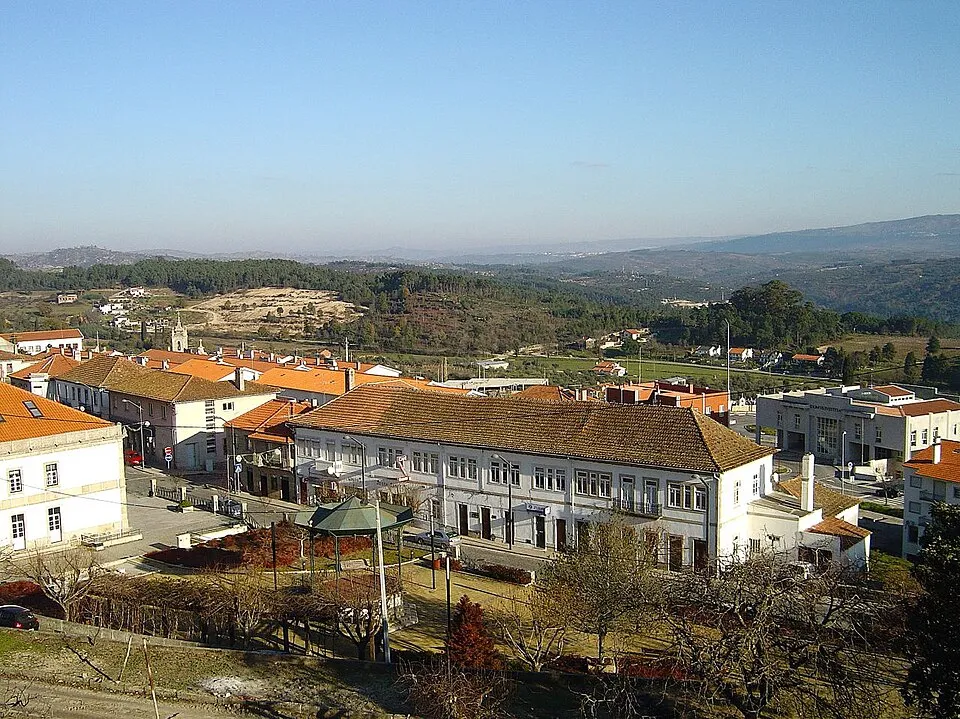
The Judiaria de Fornos de Algodres is best understood as a historically plausible, but not fully documented, Jewish and New Christian area within the old nucleus of the town. The strongest references point to the surroundings of Rua da Torre and Rua de São Salvador, where local and national heritage sources identify a concentration of carved marks on façades, doorframes and stonework.

Jewish Presence and New Christian Memory

Fornos de Algodres belonged to a wider Beira Interior landscape marked by medieval Jewish settlement, forced conversion, and later New Christian life under the pressure of the Portuguese Inquisition. In the case of Fornos de Algodres, the evidence is not as abundant as in major Jewish centres such as Trancoso, Guarda, Belmonte or Covilhã. However, the municipality refers to Inquisition records and stone marks in the old urban fabric as indicators of the presence of New Christians in the town.

This distinction matters. A Jewish community before 1496 and a New Christian population after the forced conversions are not the same historical reality. The available evidence for Fornos de Algodres is strongest for the later memory of cristãos-novos and for the survival of material signs interpreted in connection with that history.

Rua da Torre and São Salvador

The area most often associated with the Judiaria de Fornos de Algodres is located around Rua da Torre and Rua de São Salvador. These streets are repeatedly mentioned because of the high number of cruciform marks and other carved signs preserved in the built fabric.

The Chapel of São Salvador, described as having a square plan, has also been proposed in heritage literature as a possible location of the former synagogue. This hypothesis should be treated carefully. At present, the public sources consulted do not provide archaeological proof or a secure documentary identification of the building as a synagogue. Even so, the association between São Salvador, Rua da Torre and the possible Jewish quarter remains central to the local interpretation of the site.

Cruciform Marks and Caution

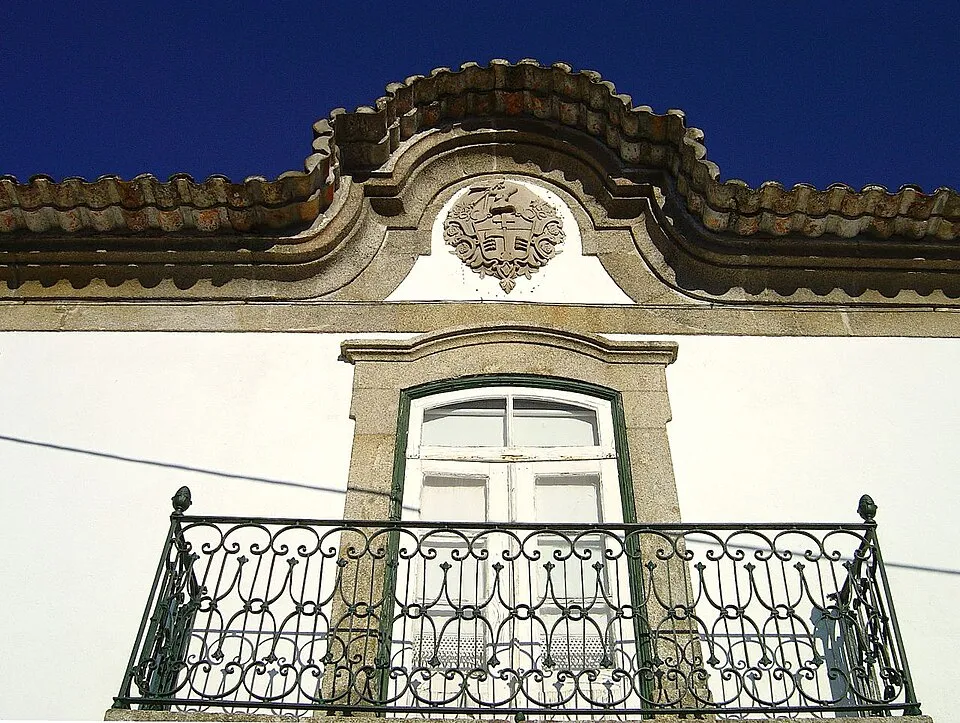
The carved crosses of Fornos de Algodres are important, but they must not be read simplistically. They are often associated with Jews or New Christians who may have marked doorways with Christian symbols to display conformity under the scrutiny of the Inquisition. However, the municipality itself notes that this interpretation has not reached full consensus among historians.

Cruciform marks were also widely used by Christian communities in medieval and early modern Portugal as protective signs placed at entrances, windows, rural buildings and religious structures. For this reason, each mark must be interpreted within its architectural, documentary and urban context. The presence of many marks in Fornos de Algodres is significant, but it should not be converted into automatic proof of Jewish ownership for every marked house.

A Dispersed Municipal Landscape

The Jewish and New Christian memory of Fornos de Algodres is not limited to the town centre. Municipal interpretation also points to traces in other villages of the concelho, including Algodres and the place of Furtado. There, the Chapel of São Clemente has been linked by local heritage interpretation to the possibility of a Jewish community, although this too remains a cautious reading rather than a closed conclusion.

The value of the Judiaria de Fornos de Algodres lies precisely in this fragile balance between material evidence, local memory and documentary restraint. It is not a monumental Jewish quarter with a securely identified synagogue. It is a quieter site, where the history of Jews and New Christians survives through scattered stone signs, urban memory and the need for careful historical interpretation.

Gallery
Article researched and curated by Jew Where.

The Jew Where project is collaborative. Do you have additional information, found an inaccuracy, or have historical photos of this location? Contact our team.

Judiaria de Fornos de Algodres
Portugal / Guarda / Neighborhoods & Settlements

Judiaria de Fornos de Algodres

"Historically plausible Jewish and New Christian area in old Fornos de Algodres, linked to Rua da Torre, São Salvador and carved cruciform marks."

Location
Rua Torre / Rua de São Salvador, 6370-170 / 6370-173 Fornos de Algodres, Guarda, Portugal

The Judiaria de Fornos de Algodres is best understood as a historically plausible, but not fully documented, Jewish and New Christian area within the old nucleus of the town. The strongest references point to the surroundings of Rua da Torre and Rua de São Salvador, where local and national heritage sources identify a concentration of carved marks on façades, doorframes and stonework.

Jewish Presence and New Christian Memory

Fornos de Algodres belonged to a wider Beira Interior landscape marked by medieval Jewish settlement, forced conversion, and later New Christian life under the pressure of the Portuguese Inquisition. In the case of Fornos de Algodres, the evidence is not as abundant as in major Jewish centres such as Trancoso, Guarda, Belmonte or Covilhã. However, the municipality refers to Inquisition records and stone marks in the old urban fabric as indicators of the presence of New Christians in the town.

This distinction matters. A Jewish community before 1496 and a New Christian population after the forced conversions are not the same historical reality. The available evidence for Fornos de Algodres is strongest for the later memory of cristãos-novos and for the survival of material signs interpreted in connection with that history.

Rua da Torre and São Salvador

The area most often associated with the Judiaria de Fornos de Algodres is located around Rua da Torre and Rua de São Salvador. These streets are repeatedly mentioned because of the high number of cruciform marks and other carved signs preserved in the built fabric.

The Chapel of São Salvador, described as having a square plan, has also been proposed in heritage literature as a possible location of the former synagogue. This hypothesis should be treated carefully. At present, the public sources consulted do not provide archaeological proof or a secure documentary identification of the building as a synagogue. Even so, the association between São Salvador, Rua da Torre and the possible Jewish quarter remains central to the local interpretation of the site.

Cruciform Marks and Caution

The carved crosses of Fornos de Algodres are important, but they must not be read simplistically. They are often associated with Jews or New Christians who may have marked doorways with Christian symbols to display conformity under the scrutiny of the Inquisition. However, the municipality itself notes that this interpretation has not reached full consensus among historians.

Cruciform marks were also widely used by Christian communities in medieval and early modern Portugal as protective signs placed at entrances, windows, rural buildings and religious structures. For this reason, each mark must be interpreted within its architectural, documentary and urban context. The presence of many marks in Fornos de Algodres is significant, but it should not be converted into automatic proof of Jewish ownership for every marked house.

A Dispersed Municipal Landscape

The Jewish and New Christian memory of Fornos de Algodres is not limited to the town centre. Municipal interpretation also points to traces in other villages of the concelho, including Algodres and the place of Furtado. There, the Chapel of São Clemente has been linked by local heritage interpretation to the possibility of a Jewish community, although this too remains a cautious reading rather than a closed conclusion.

The value of the Judiaria de Fornos de Algodres lies precisely in this fragile balance between material evidence, local memory and documentary restraint. It is not a monumental Jewish quarter with a securely identified synagogue. It is a quieter site, where the history of Jews and New Christians survives through scattered stone signs, urban memory and the need for careful historical interpretation.

Timeline

  • 1496 King Manuel I’s decree ended legal Judaism in Portugal and changed the status of Jewish communities.
  • 1497 Forced baptisms transformed Portuguese Jews into New Christians under Christian legal identity.
  • Early modern period Inquisition pressure shaped New Christian life and later interpretations of carved marks in Fornos de Algodres.
  • Present Rua da Torre and Rua de São Salvador are cautiously interpreted as the possible local Jewish and New Christian area.

Sources & Bibliography

  1. Visit Fornos de Algodres. Fornos de Algodres. Local: Fornos de Algodres. Editora: Município de Fornos de Algodres. Ano: n.d. https://visitfornosdealgodres.pt/index.php/site/oquefazer/conhecer_aldeias/24
  2. Visit Fornos de Algodres. Símbolos de Fé. Local: Fornos de Algodres. Editora: Município de Fornos de Algodres. Ano: n.d. https://visitfornosdealgodres.pt/index.php/site/historia/simbolos_fe
  3. TAVARES, Maria José Pimenta Ferro. Los judíos en Portugal. Madrid: Editorial MAPFRE. Ano: 1992. https://books.google.com/books/about/Los_jud%C3%ADos_en_Portugal.html?id=W8CpQgAACAAJ

Additional Information

Official website: https://visitfornosdealgodres.pt/index.php/site/oquefazer/conhecer_aldeias/24
Email: [email protected]
Phone: +351 271 708 334
Instagram: https://www.instagram.com/municipio_fornosdealgodres
Facebook: https://www.facebook.com/visitfornosdealgodres
YouTube: https://www.youtube.com/@municipiodefornosdealgodre9711
Coordinates note: The coordinates refer to the Rua Torre / Rua de São Salvador area, not to a confirmed synagogue building.
Current public access: The identified area is a public urban street area; the former synagogue hypothesis is not archaeologically confirmed.

Article researched and curated by Jew Where.

The Jew Where project is collaborative. Do you have additional information, found an inaccuracy, or have historical photos of this location? Contact our team.