Skip to content
Jewish Quarter of Penamacor

Jewish Quarter of Penamacor

"Traditional area linked to Penamacor’s Jewish and New Christian memory, probably near Rua de São Pedro, though its boundaries are not proven."

Back to Map

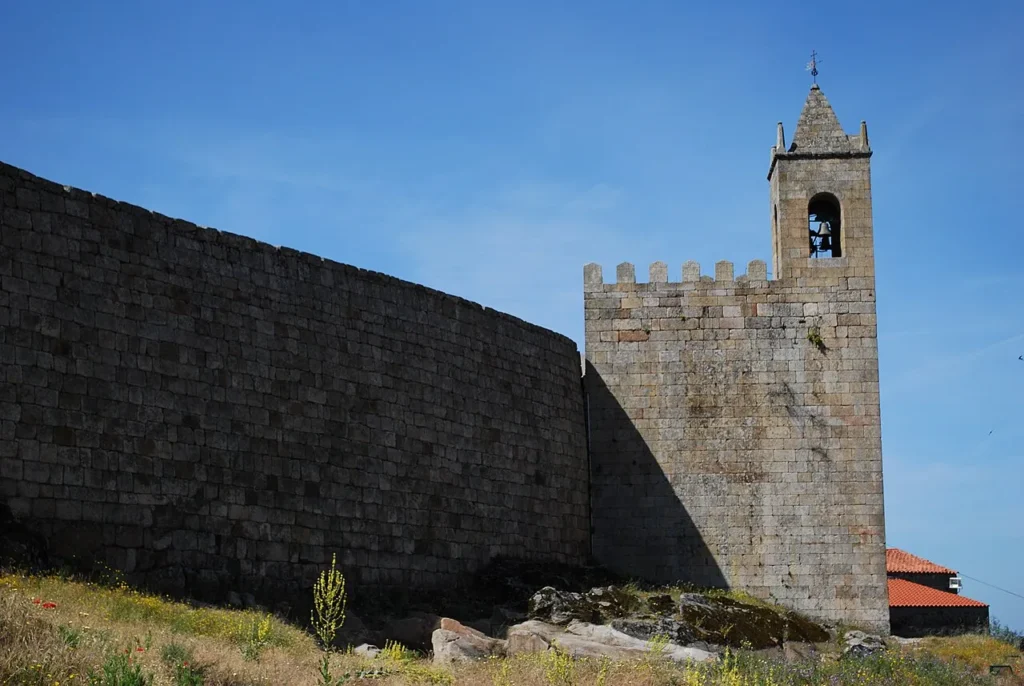
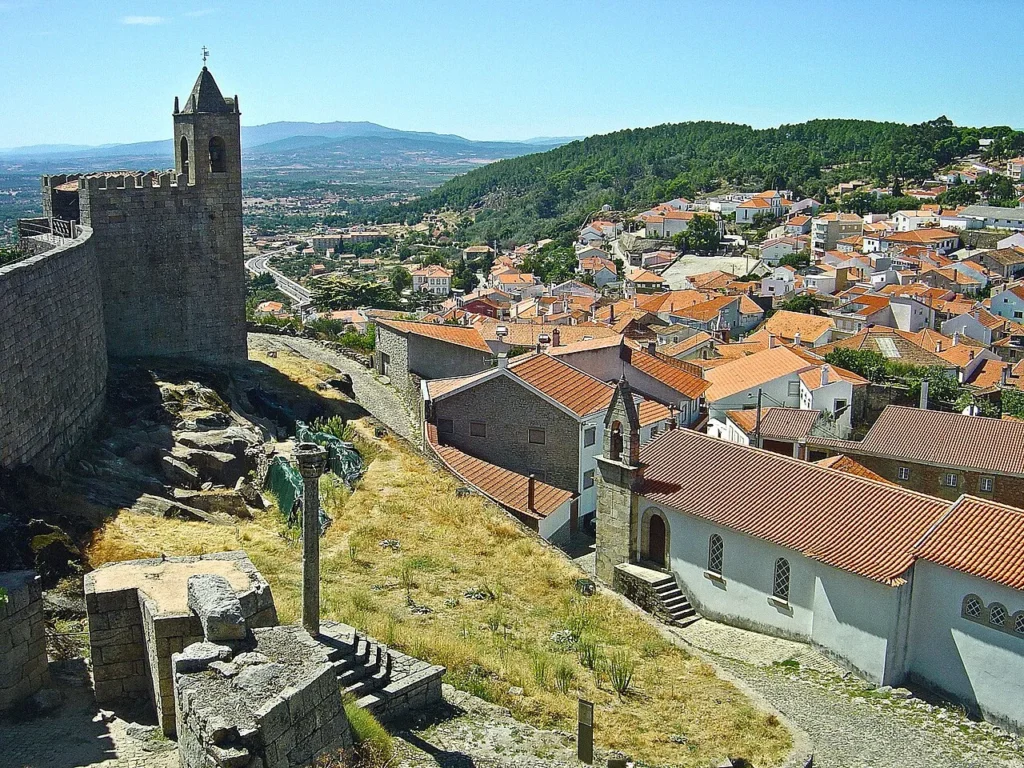
The Judiaria de Penamacor is the traditional name given to the area associated with Jewish and New Christian presence in the historic centre of Penamacor. The safest urban reference is Rua de São Pedro, together with Travessa de São Pedro, but this identification must be treated with caution.

Judiaria de Penamacor and its uncertain location

The exact limits of the Jewish quarter have not been securely established. Local bibliography places the probable area of the former Judiaria de Penamacor near Rua de São Pedro, yet it also states clearly that there is no absolute historical or archaeological confirmation for a defined judiaria in the town.

For this reason, Rua de São Pedro and Travessa de São Pedro should be read as the most repeated local hypothesis, not as a fully proven boundary. The same area belongs to the medieval urban fabric of Penamacor, where the older settlement remains visible in the structure of streets and houses.

Frontier context and New Christian memory

Penamacor’s position close to the Castilian border was important for the movement of Jewish and New Christian populations. After the expulsion of the Jews from Castile in 1492, several frontier towns in the Beira Interior became places of passage, refuge and settlement.

The built fabric around Rua de São Pedro and nearby streets preserves crosses, marked stones, bevelled doorways and houses with commercial features. These elements have often been associated with Jewish or crypto-Jewish presence. Even so, they cannot be treated as direct proof by themselves. Not every cross, marked stone or commercial doorway proves Jewish occupation.

Inquisition records and Ribeiro Sanches

The later history of Penamacor is better documented through New Christian families and Inquisition records. The work of Laurinda Gil Mendes gathered proceedings from the tribunals of the Holy Office connected to people from Penamacor or linked to the town. These records show the importance of families of Jewish ancestry in the sixteenth to eighteenth centuries.

Among the most important figures connected to this history was António Nunes Ribeiro Sanches, born in Penamacor on 7 March 1699. He came from a New Christian family, studied medicine, left Portugal after accusations of Judaism, and later became one of the major Portuguese physicians of the eighteenth century. His career took him through Salamanca, the Netherlands, Russia and Paris, placing Penamacor within the wider history of Sephardic exile, medicine and European intellectual life.

Gallery
Article researched and curated by Jew Where.

The Jew Where project is collaborative. Do you have additional information, found an inaccuracy, or have historical photos of this location? Contact our team.
Jewish Quarter of Penamacor
Portugal / Castelo Branco / Neighborhoods & Settlements

Jewish Quarter of Penamacor

"Traditional area linked to Penamacor’s Jewish and New Christian memory, probably near Rua de São Pedro, though its boundaries are not proven."

Location
Rua de São Pedro / Travessa de São Pedro, 6090-520 Penamacor, Castelo Branco, Portugal

The Judiaria de Penamacor is the traditional name given to the area associated with Jewish and New Christian presence in the historic centre of Penamacor. The safest urban reference is Rua de São Pedro, together with Travessa de São Pedro, but this identification must be treated with caution.

Judiaria de Penamacor and its uncertain location

The exact limits of the Jewish quarter have not been securely established. Local bibliography places the probable area of the former Judiaria de Penamacor near Rua de São Pedro, yet it also states clearly that there is no absolute historical or archaeological confirmation for a defined judiaria in the town.

For this reason, Rua de São Pedro and Travessa de São Pedro should be read as the most repeated local hypothesis, not as a fully proven boundary. The same area belongs to the medieval urban fabric of Penamacor, where the older settlement remains visible in the structure of streets and houses.

Frontier context and New Christian memory

Penamacor’s position close to the Castilian border was important for the movement of Jewish and New Christian populations. After the expulsion of the Jews from Castile in 1492, several frontier towns in the Beira Interior became places of passage, refuge and settlement.

The built fabric around Rua de São Pedro and nearby streets preserves crosses, marked stones, bevelled doorways and houses with commercial features. These elements have often been associated with Jewish or crypto-Jewish presence. Even so, they cannot be treated as direct proof by themselves. Not every cross, marked stone or commercial doorway proves Jewish occupation.

Inquisition records and Ribeiro Sanches

The later history of Penamacor is better documented through New Christian families and Inquisition records. The work of Laurinda Gil Mendes gathered proceedings from the tribunals of the Holy Office connected to people from Penamacor or linked to the town. These records show the importance of families of Jewish ancestry in the sixteenth to eighteenth centuries.

Among the most important figures connected to this history was António Nunes Ribeiro Sanches, born in Penamacor on 7 March 1699. He came from a New Christian family, studied medicine, left Portugal after accusations of Judaism, and later became one of the major Portuguese physicians of the eighteenth century. His career took him through Salamanca, the Netherlands, Russia and Paris, placing Penamacor within the wider history of Sephardic exile, medicine and European intellectual life.

Timeline

  • 1492 After the expulsion of Jews from Castile, frontier towns in the Beira Interior became places of passage, refuge and settlement.
  • 16th-18th centuries Inquisition records connected to Penamacor document New Christian families and accusations of Judaism.
  • 1699-03-07 António Nunes Ribeiro Sanches was born in Penamacor.
  • 1726 Ribeiro Sanches left Portugal after accusations of Judaism.

Sources & Bibliography

  1. PATRIMÓNIO CULTURAL. Castelo de Penamacor, também denominado Fortaleza de Penamacor. Editora: Património Cultural. Ano: n.d. https://imovel.patrimoniocultural.gov.pt/detalhes.php?code=73056
  2. MUNICÍPIO DE PENAMACOR. António Nunes Ribeiro Sanches. Local: Penamacor. Editora: Município de Penamacor. Ano: n.d. https://www.cm-penamacor.pt/o-concelho/ribeiro-sanches/antonio-nunes-ribeiro-sanches
  3. MUNICÍPIO DE PENAMACOR. Casa da Memória da Medicina Sefardita Ribeiro Sanches. Local: Penamacor. Editora: Município de Penamacor. Ano: 2024. https://www.cm-penamacor.pt/turismo-e-lazer/museus/poi-16/casa-da-memoria-da-medicina-sefardita-ribeiro-sanches
  4. TURISMO CENTRO DE PORTUGAL. Penamacor, terra de um judeu ilustre. Editora: Turismo Centro de Portugal. Ano: n.d. https://www.centerofportugal.com/pt/poi/penamacor-terra-de-um-judeu-ilustre
  5. TURISMO CENTRO DE PORTUGAL. Rota das antigas judiarias na Serra da Estrela. Editora: Turismo Centro de Portugal. Ano: n.d. https://turismodocentro.pt/roteiro/rota-das-antigas-judiarias-na-serra-da-estrela

Additional Information

Official website: https://www.cm-penamacor.pt

Email: [email protected]

Phone: 351 277 394 106

Current use of the address: Rua de São Pedro and Travessa de São Pedro are public streets in Penamacor’s historic centre; the former judiaria’s exact boundaries are not confirmed.

Article researched and curated by Jew Where.

The Jew Where project is collaborative. Do you have additional information, found an inaccuracy, or have historical photos of this location? Contact our team.