Skip to content
Jewish Quarter of Guarda

Jewish Quarter of Guarda

"Medieval Jewish quarter documented from 1295 to 1497, with synagogue records, trades, enclosure measures and Hebrew manuscript culture."

Back to Map

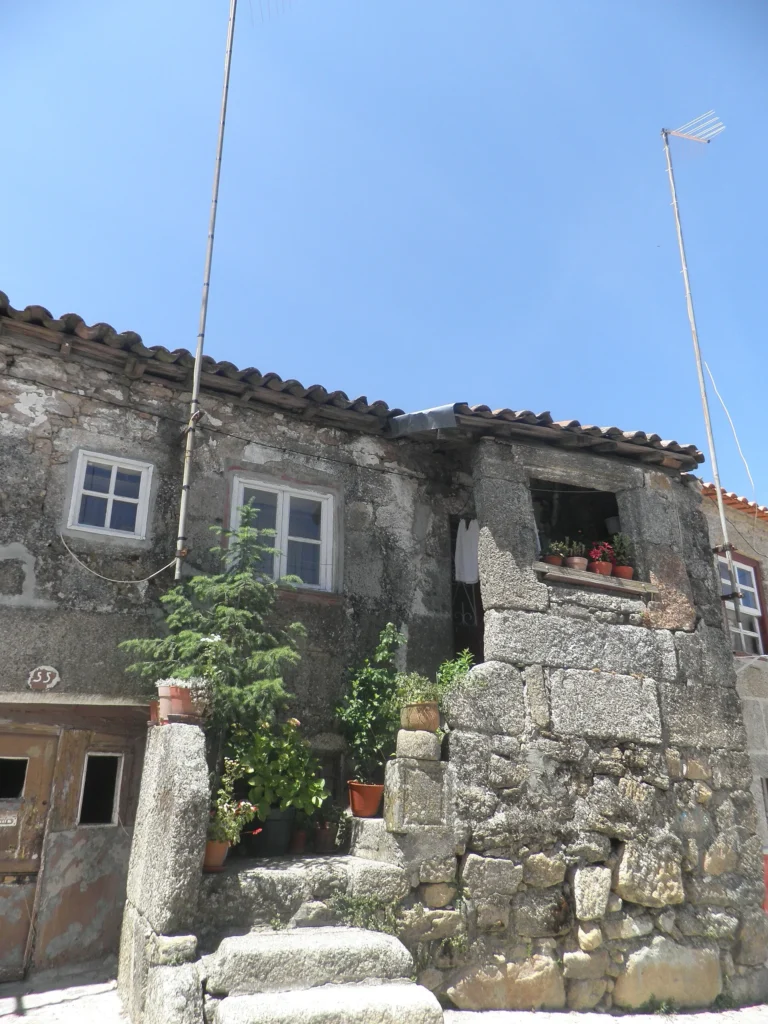
The Jewish Quarter of Guarda is one of the most clearly documented Jewish urban spaces in inland Portugal. The earliest secure reference dates to 1295, in royal leases from the reign of King D. Dinis. These records mention Jewish residents, houses in the Rua da Judiaria, and a property described as the synagogue. From that point until the forced conversion and expulsion crisis of 1496-1497, the sources repeatedly refer to Jewish houses, plots, rents, trades, residents, rabbinic figures, and the synagogue itself.

Jewish Quarter of Guarda and the urban fabric

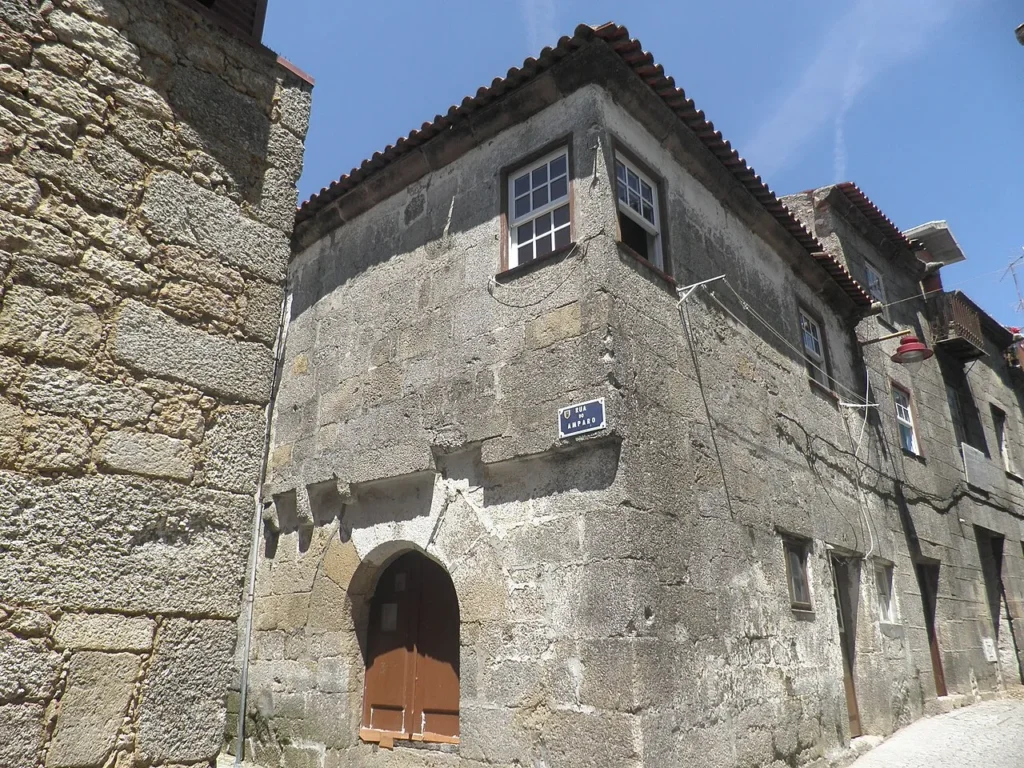
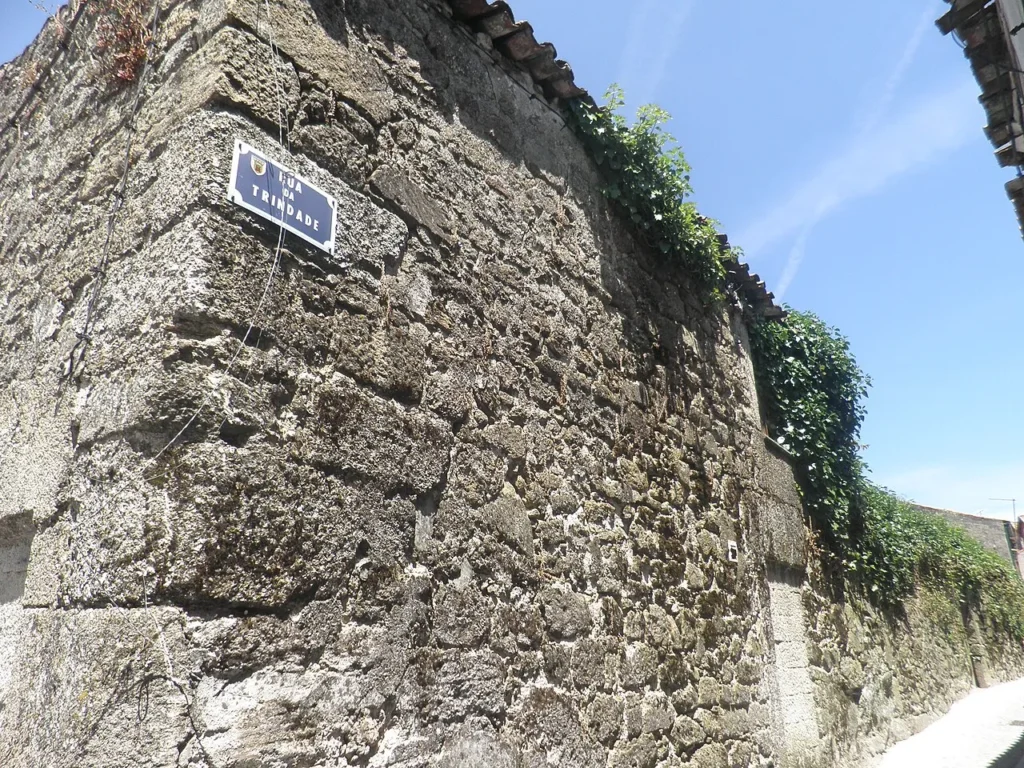
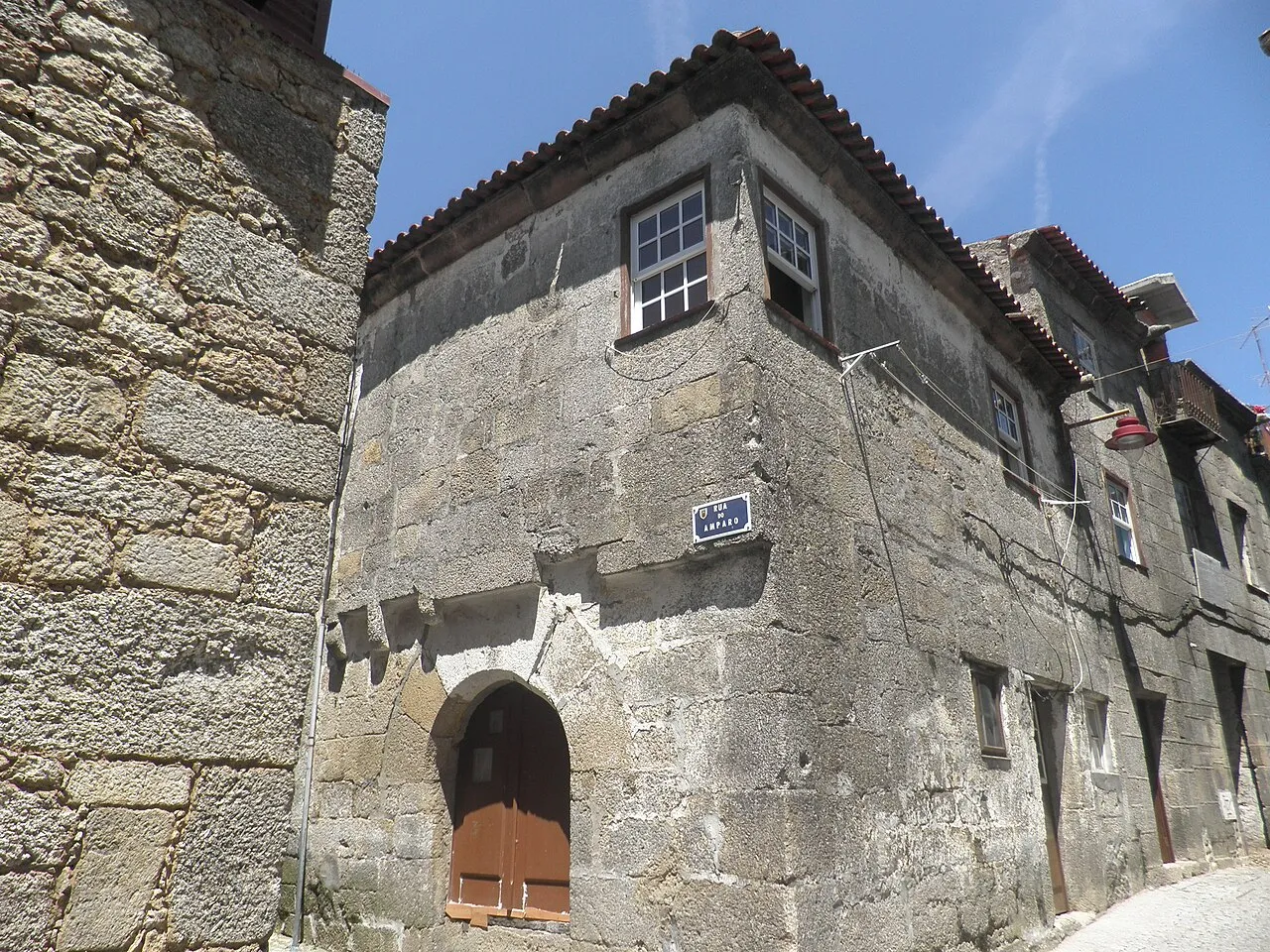
The medieval judiaria was located inside the city walls, in the northwestern sector of Guarda. It occupied a privileged but controlled area near São Vicente, the Rua de São Vicente, and the route toward Porta d’El-Rei. Its position was not accidental. The quarter was part of royal property and was shaped by the wall, public streets, ecclesiastical space, and the commercial life of the city. Medieval documents distinguish between the Judiaria Velha and later areas associated with the expansion of the Jewish quarter, including references to the Rua da Judiaria and, later, the Rua Nova da Judiaria, today associated with Rua do Amparo.

Synagogue, manuscript culture, and communal life

The synagogue is not merely a later memory. It appears in the documentary record as early as 1295, when a royal lease refers to a house “said to be the synagogue.” In 1395, the Tombo da Comarca da Beira still records the synagogue as a property held by the Jews under a royal lease originally granted in the time of D. Dinis. Later documents from the 1430s also refer to houses connected to the synagogue of the Jews and Jewesses. This continuity indicates a structured communal space, not only a residential cluster.

Work, status, and daily presence

The records reveal a socially varied Jewish population. They mention shoemakers, smiths, weavers, tailors, merchants, physicians, surgeons, renters, rabbis, and women holding or occupying property. These references matter because they move the history of the Jewish Quarter of Guarda beyond abstraction. The community appears through names, professions, fiscal relations, and urban addresses. In 1346, the production in Guarda of a Hebrew manuscript, Rashi’s Commentary on the Pentateuch, copied by Joseph ben Isaac ben Joseph Delouya, adds another layer. It shows that Guarda was not only a place of residence and trade, but also a setting for Hebrew textual culture.

Enclosure, pressure, and rupture

By the second half of the fifteenth century, the Jewish quarter became increasingly regulated. In 1465, during the Cortes of Guarda, King D. Afonso V ordered the definitive closure of the door of the judiaria that opened toward the churchyard of São Vicente. The remaining doors were to be closed at night. A document from 1475 still refers to the enclosure works of the judiaria. This process did not end Jewish presence immediately, but it physically marked separation inside the Christian city. After the royal decree of 1496 and the end of the conversion or departure deadline in 1497, the institutional Jewish community disappeared from the legal landscape. One document notes compensation for the loss of revenue from the judiaria because, by royal order, there were no longer to be Jews in the kingdom.

Caution and heritage value

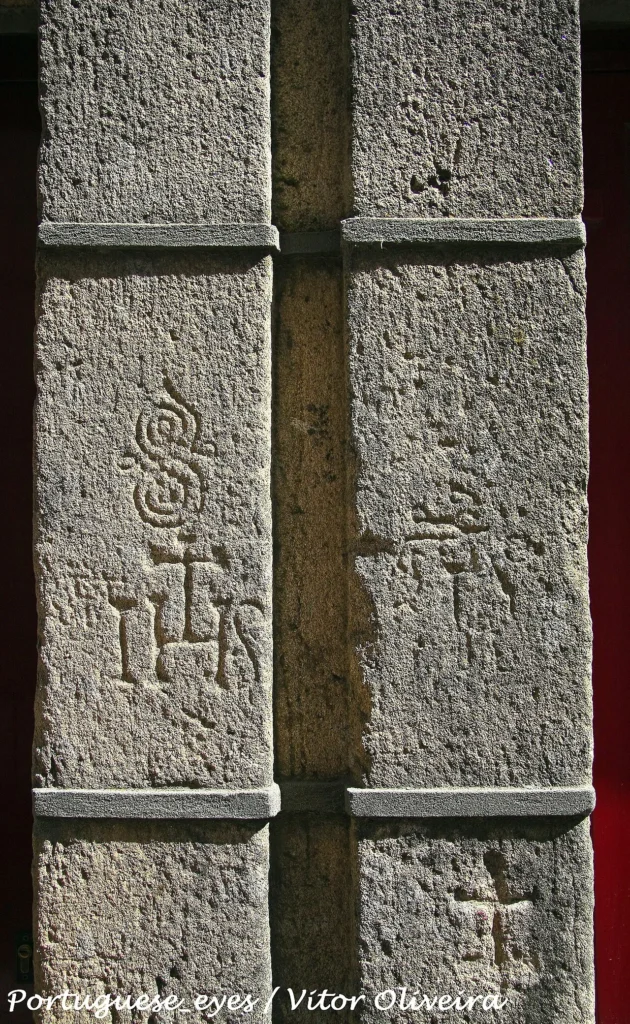
The Jewish Quarter of Guarda must be read through documents, urban morphology, and material evidence with caution. Modern narratives often connect cruciform marks on doorways with Jewish or New Christian occupation. However, recent scholarship warns against treating these marks as automatic proof of Jewish presence. In Guarda, the strongest evidence is not symbolic speculation. It is the exceptional documentary sequence from 1295 to 1497, combined with urban references, synagogue records, royal leases, and Hebrew manuscript culture. For this reason, the Jewish Quarter of Guarda remains one of the most important case studies for understanding Jewish life, royal authority, urban segregation, and cultural continuity in medieval Beira.

Gallery
Article researched and curated by Jew Where.

The Jew Where project is collaborative. Do you have additional information, found an inaccuracy, or have historical photos of this location? Contact our team.
Jewish Quarter of Guarda
Portugal / Guarda / Neighborhoods & Settlements

Jewish Quarter of Guarda

"Medieval Jewish quarter documented from 1295 to 1497, with synagogue records, trades, enclosure measures and Hebrew manuscript culture."

Location
Rua do Amparo, 6300-035 Guarda, Portugal

The Jewish Quarter of Guarda is one of the most clearly documented Jewish urban spaces in inland Portugal. The earliest secure reference dates to 1295, in royal leases from the reign of King D. Dinis. These records mention Jewish residents, houses in the Rua da Judiaria, and a property described as the synagogue. From that point until the forced conversion and expulsion crisis of 1496-1497, the sources repeatedly refer to Jewish houses, plots, rents, trades, residents, rabbinic figures, and the synagogue itself.

Jewish Quarter of Guarda and the urban fabric

The medieval judiaria was located inside the city walls, in the northwestern sector of Guarda. It occupied a privileged but controlled area near São Vicente, the Rua de São Vicente, and the route toward Porta d’El-Rei. Its position was not accidental. The quarter was part of royal property and was shaped by the wall, public streets, ecclesiastical space, and the commercial life of the city. Medieval documents distinguish between the Judiaria Velha and later areas associated with the expansion of the Jewish quarter, including references to the Rua da Judiaria and, later, the Rua Nova da Judiaria, today associated with Rua do Amparo.

Synagogue, manuscript culture, and communal life

The synagogue is not merely a later memory. It appears in the documentary record as early as 1295, when a royal lease refers to a house “said to be the synagogue.” In 1395, the Tombo da Comarca da Beira still records the synagogue as a property held by the Jews under a royal lease originally granted in the time of D. Dinis. Later documents from the 1430s also refer to houses connected to the synagogue of the Jews and Jewesses. This continuity indicates a structured communal space, not only a residential cluster.

Work, status, and daily presence

The records reveal a socially varied Jewish population. They mention shoemakers, smiths, weavers, tailors, merchants, physicians, surgeons, renters, rabbis, and women holding or occupying property. These references matter because they move the history of the Jewish Quarter of Guarda beyond abstraction. The community appears through names, professions, fiscal relations, and urban addresses. In 1346, the production in Guarda of a Hebrew manuscript, Rashi’s Commentary on the Pentateuch, copied by Joseph ben Isaac ben Joseph Delouya, adds another layer. It shows that Guarda was not only a place of residence and trade, but also a setting for Hebrew textual culture.

Enclosure, pressure, and rupture

By the second half of the fifteenth century, the Jewish quarter became increasingly regulated. In 1465, during the Cortes of Guarda, King D. Afonso V ordered the definitive closure of the door of the judiaria that opened toward the churchyard of São Vicente. The remaining doors were to be closed at night. A document from 1475 still refers to the enclosure works of the judiaria. This process did not end Jewish presence immediately, but it physically marked separation inside the Christian city. After the royal decree of 1496 and the end of the conversion or departure deadline in 1497, the institutional Jewish community disappeared from the legal landscape. One document notes compensation for the loss of revenue from the judiaria because, by royal order, there were no longer to be Jews in the kingdom.

Caution and heritage value

The Jewish Quarter of Guarda must be read through documents, urban morphology, and material evidence with caution. Modern narratives often connect cruciform marks on doorways with Jewish or New Christian occupation. However, recent scholarship warns against treating these marks as automatic proof of Jewish presence. In Guarda, the strongest evidence is not symbolic speculation. It is the exceptional documentary sequence from 1295 to 1497, combined with urban references, synagogue records, royal leases, and Hebrew manuscript culture. For this reason, the Jewish Quarter of Guarda remains one of the most important case studies for understanding Jewish life, royal authority, urban segregation, and cultural continuity in medieval Beira.

Timeline

  • 1295 Royal leases from the reign of King D. Dinis record Jewish residents, houses in Rua da Judiaria and a property described as the synagogue.
  • 1346 Rashi’s Commentary on the Pentateuch is copied in Guarda by Joseph ben Isaac ben Joseph Delouya.
  • 1395 The Tombo da Comarca da Beira records houses and the synagogue held by the Jews under royal lease.
  • 1433-1438 Documents refer to houses connected to the synagogue of the Jews and Jewesses.
  • 1465 King D. Afonso V orders the definitive closure of the door of the Jewish quarter opening toward the churchyard of São Vicente.
  • 1475 A document still refers to enclosure works of the Jewish quarter.
  • 1496 King D. Manuel I issues the decree that ends legal Jewish life in Portugal.
  • 1497 The deadline for conversion or departure passes, and the institutional Jewish community disappears from the legal landscape.

Sources & Bibliography

  1. RAMOS, Tiago; CAMEIJO, Alcina; MARTINS, Daniel. A Judiaria da Guarda: Textos e Contextos. In: ANDRADE, Amélia Aguiar; TENTE, Catarina; SILVA, Gonçalo Melo da; PRATA, Sara, eds. Inclusão e Exclusão na Europa Urbana Medieval, Vol. 19. Local: Lisboa. Editora: IEM - Instituto de Estudos Medievais / Câmara Municipal de Castelo de Vide. Ano: 2019. https://novaresearch.unl.pt/en/publications/a-judiaria-da-guarda-textos-e-contextos
  2. MUNICÍPIO DA GUARDA. A Judiaria da Guarda – textos e contextos. Local: Guarda. Editora: Município da Guarda. Ano: n.d. https://www.mun-guarda.pt/municipio/governacao/cultura/Judiaria-da-Guarda
  3. VISITGUARDA. Old Jewish Quarter. Local: Guarda. Editora: VisitGuarda. Ano: n.d. https://www.visitguarda.pt/en/ponto_de_interesse/antigo-bairro-judaico
  4. GOMES, Rita Costa; JACOB, Berta; MARTINS, Daniel; NETO, Maria José; PINTO, Antonieta; RAMOS, Tiago Pinheiro. A judiaria da Guarda em 1395. Iberografias 14. Local: Guarda. Editora: Centro de Estudos Ibéricos. Ano: 2018. https://www.cei.pt/ohg/a-judiaria-da-guarda-em-1395.html
  5. MOITA, Tiago. Os cólofones dos manuscritos hebraicos medievais como fontes de informação histórica relevante. Os manuscritos hebraicos de Seia, Guarda e Sevilha. Praça Velha 36. Ano: 2016. https://www.academia.edu/30309244/OS_C%C3%93LOFONES_DOS_MANUSCRITOS_HEBRAICOS_MEDIEVAIS_COMO_FONTES_DE_INFORMA%C3%87%C3%83O_HIST%C3%93RICA_RELEVANTE_OS_MANUSCRITOS_HEBRAICOS_DE_SEIA_GUARDA_E_SEVILHA
  6. TAVARES, Maria José Pimenta Ferro. O povoamento judaico no território da diocese da Guarda, período medieval e moderno. Praça Velha 36. Ano: 2016. https://projetos.dhlab.fcsh.unl.pt/s/wsdroadmap/item/5416

Additional Information

Official website: https://www.visitguarda.pt/en/ponto_de_interesse/antigo-bairro-judaico
Email: [email protected]
Phone: +351 271 205 530

Article researched and curated by Jew Where.

The Jew Where project is collaborative. Do you have additional information, found an inaccuracy, or have historical photos of this location? Contact our team.