Skip to content
Jewish Inscriptions in the Carmo Museum

Jewish Inscriptions in the Carmo Museum

"Hebrew inscriptions in the Carmo Museum include two Espiche funerary stelae and the Monchique Synagogue inscription from Porto."

Back to Map

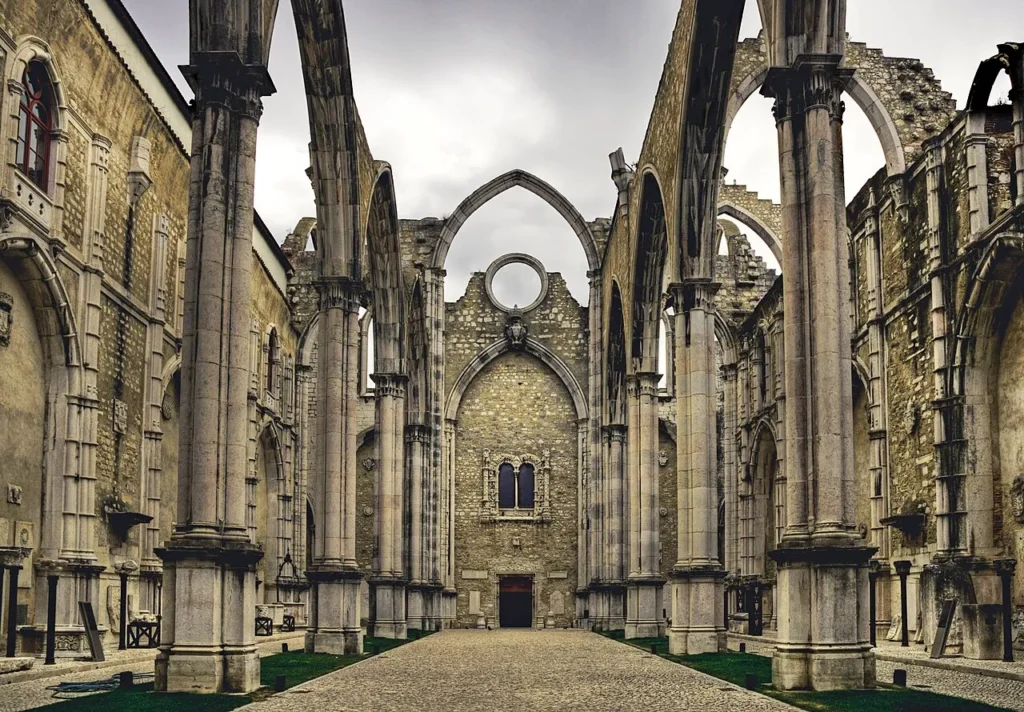
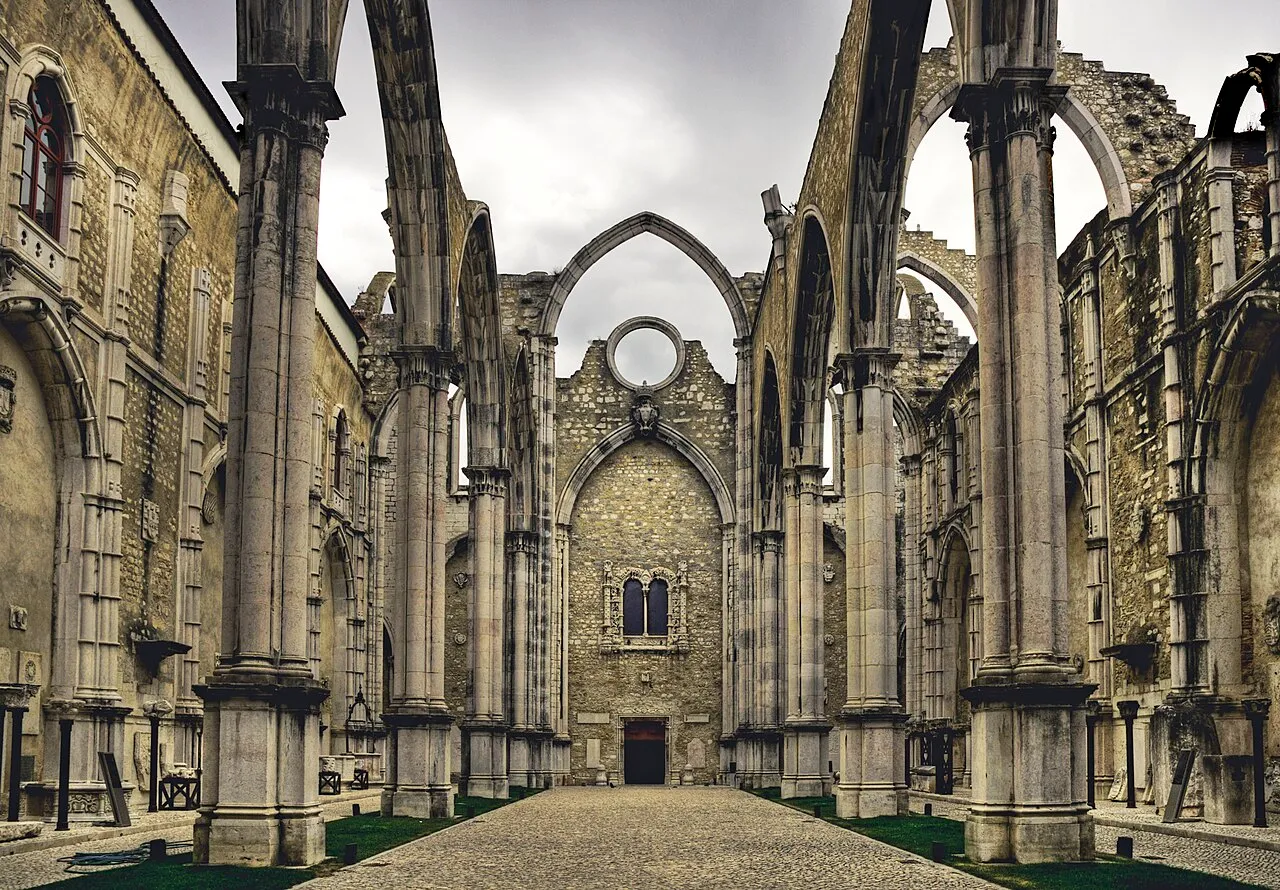
The Jewish inscriptions preserved in the Museu Arqueológico do Carmo form one of the most important groups of Hebrew epigraphy in Portugal. The museum was founded in 1864 by the Associação dos Arqueólogos Portugueses and is installed in the ruins of the former Carmo Church, in central Lisbon. Within its collection, the key Jewish pieces are two funerary stelae from Espiche, near Lagos, and the monumental inscription from the former Synagogue of Monchique, in Porto.

Espiche Stele, Aba Marieh and Rabbi Isaac HaCohen

Catalogue no. 3877. Provenance: Espiche, near Lagos. Entered the museum in 1874.
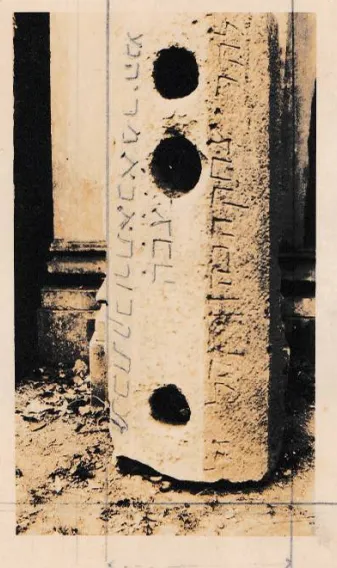
This is a prismatic funerary stele with inscriptions on three faces. It records two burials at different moments: Aba Marieh and Rabbi Isaac HaCohen, son of Iakhai. The text preserves standard Hebrew funerary formulas and shows that the same stone was reused for two individuals. It is one of the clearest Jewish funerary inscriptions from medieval Portugal preserved in a museum collection.

Espiche Stele, Rab Moshe and Cohen son of Karbin

Catalogue no. 3878. Provenance: Espiche, near Lagos. Entered the museum in 1874.

This second Espiche stone is also funerary. It is a prismatic stele with a damaged inscription, which makes the reading incomplete. The surviving text refers to a rabbi whose name begins with Moshe and to a Cohen, son of Karbin, followed by a funerary formula. Even in its damaged state, the stone remains an important witness to Hebrew burial epigraphy in the Algarve.

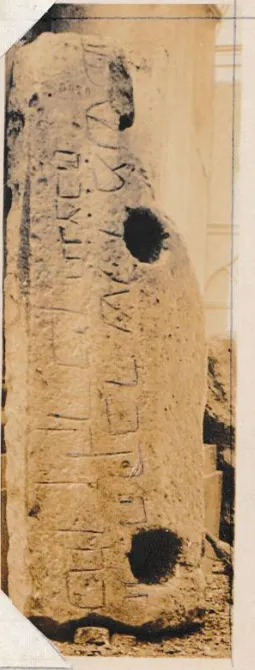
Monchique Synagogue Inscription

Catalogue no. 2313. Provenance: former Synagogue of Monchique, Porto. Transferred to the museum on 3 February 1875. Material: granite. Dimensions: 1.54 m x 0.63 m.

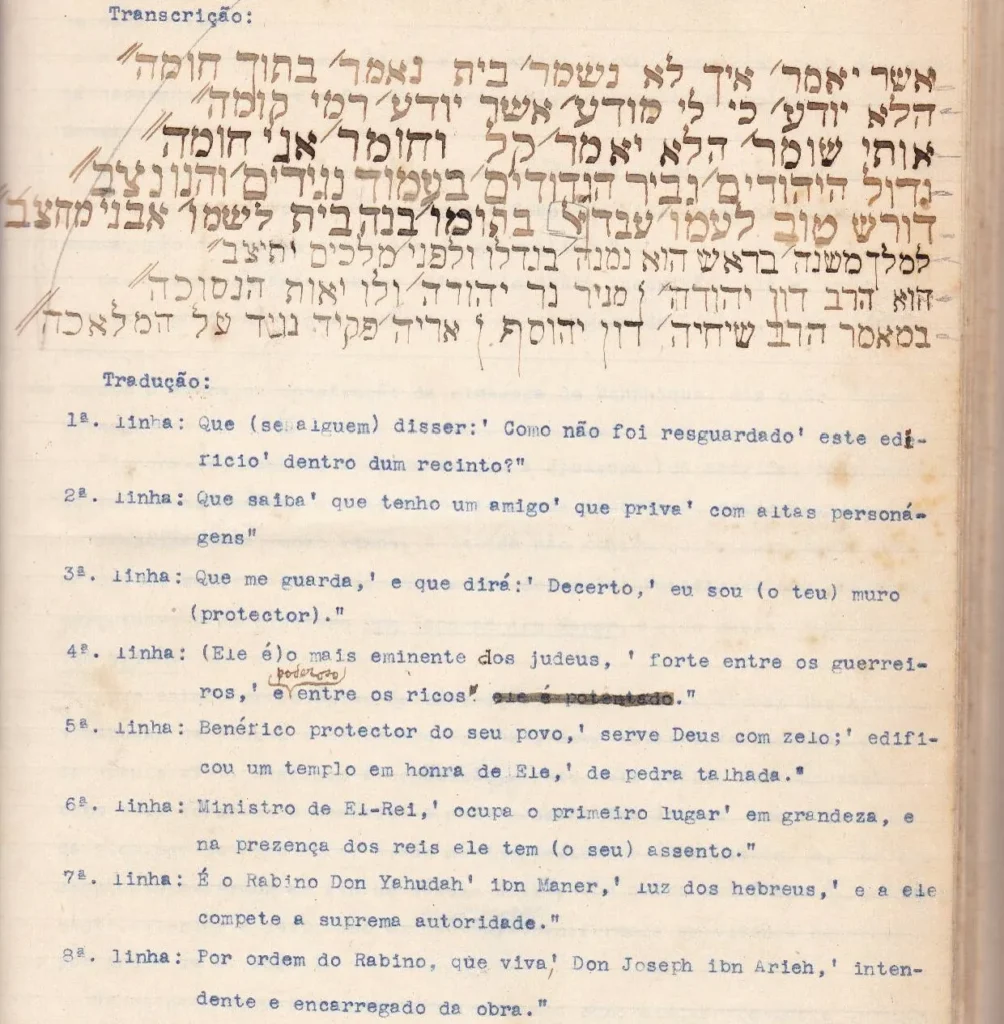
This is the most important Jewish inscription in the Carmo Museum. Unlike the Espiche stones, it is not funerary but communal. It comes from the former Synagogue of Monchique in Porto and preserves a commemorative synagogue text. Its significance lies in the fact that it is a rare surviving inscription directly connected to medieval Jewish institutional life in Portugal.

Gallery

Article researched and curated by Jew Where.

The Jew Where project is collaborative. Do you have additional information, found an inaccuracy, or have historical photos of this location? Contact our team.

Jewish Inscriptions in the Carmo Museum
Portugal / Lisbon / History & Archaeology

Jewish Inscriptions in the Carmo Museum

"Hebrew inscriptions in the Carmo Museum include two Espiche funerary stelae and the Monchique Synagogue inscription from Porto."

Location
Largo do Carmo, 1200-092 Lisboa
Opening Hours
November-April Monday-Saturday: 10:00-18:00; May-October Monday-Saturday: 10:00-19:00; Easter week Monday-Saturday: 10:00-19:00; 26 December-6 January Monday-Saturday: 10:00-19:00; Sundays, 1 January, 1 May and 25 December: Closed

The Jewish inscriptions preserved in the Museu Arqueológico do Carmo form one of the most important groups of Hebrew epigraphy in Portugal. The museum was founded in 1864 by the Associação dos Arqueólogos Portugueses and is installed in the ruins of the former Carmo Church, in central Lisbon. Within its collection, the key Jewish pieces are two funerary stelae from Espiche, near Lagos, and the monumental inscription from the former Synagogue of Monchique, in Porto.

Espiche Stele, Aba Marieh and Rabbi Isaac HaCohen

Catalogue no. 3877. Provenance: Espiche, near Lagos. Entered the museum in 1874.
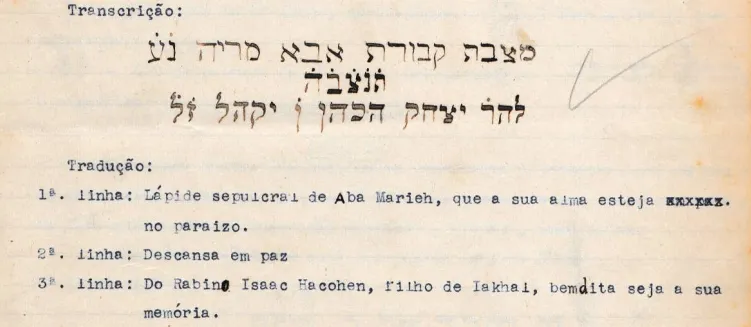
This is a prismatic funerary stele with inscriptions on three faces. It records two burials at different moments: Aba Marieh and Rabbi Isaac HaCohen, son of Iakhai. The text preserves standard Hebrew funerary formulas and shows that the same stone was reused for two individuals. It is one of the clearest Jewish funerary inscriptions from medieval Portugal preserved in a museum collection.

Espiche Stele, Rab Moshe and Cohen son of Karbin

Catalogue no. 3878. Provenance: Espiche, near Lagos. Entered the museum in 1874.
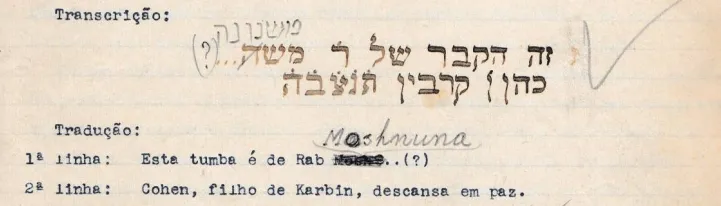
This second Espiche stone is also funerary. It is a prismatic stele with a damaged inscription, which makes the reading incomplete. The surviving text refers to a rabbi whose name begins with Moshe and to a Cohen, son of Karbin, followed by a funerary formula. Even in its damaged state, the stone remains an important witness to Hebrew burial epigraphy in the Algarve.

Monchique Synagogue Inscription

Catalogue no. 2313. Provenance: former Synagogue of Monchique, Porto. Transferred to the museum on 3 February 1875. Material: granite. Dimensions: 1.54 m x 0.63 m.
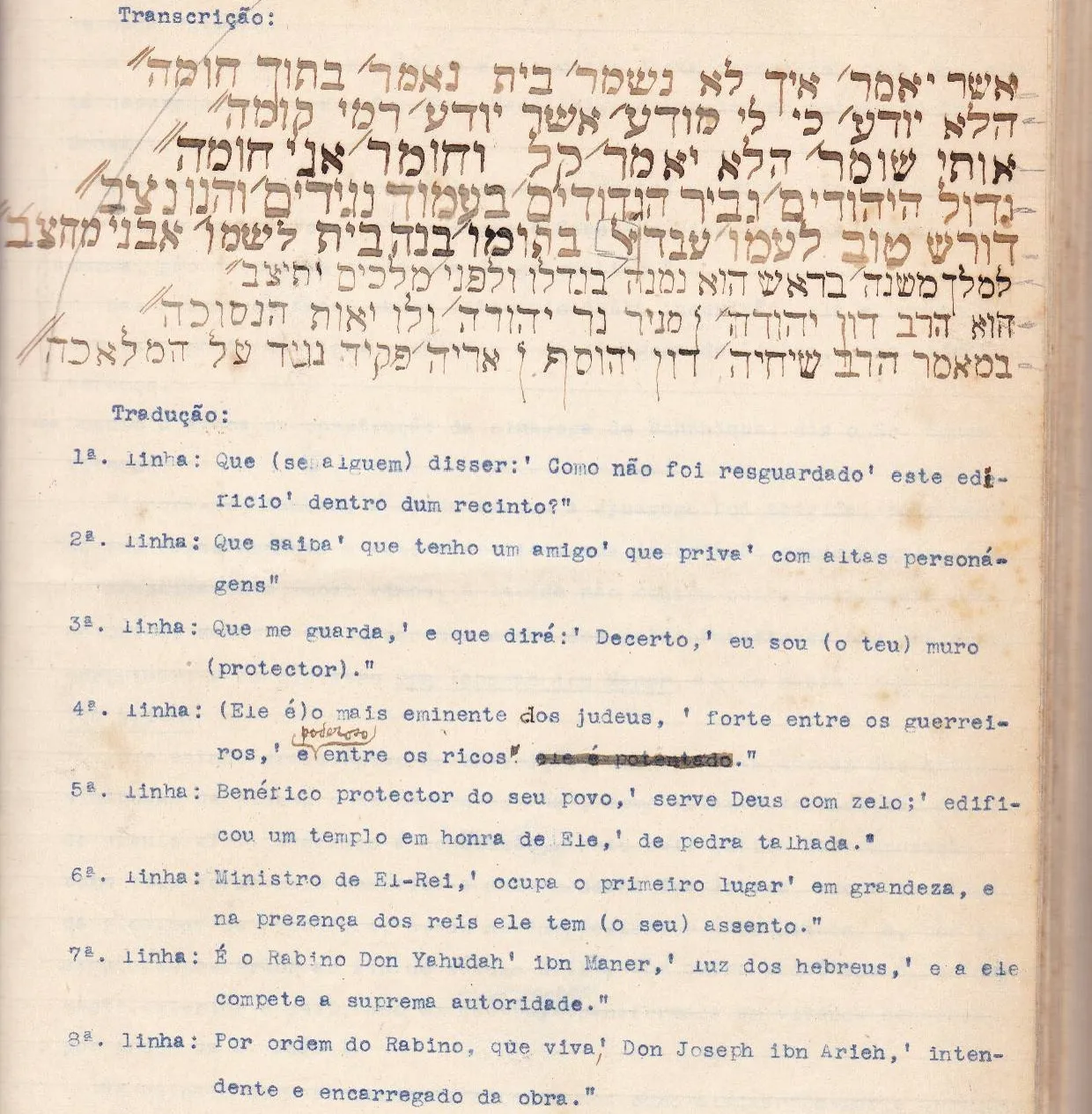
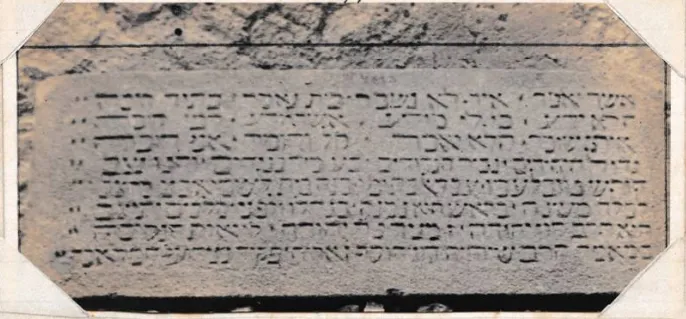
This is the most important Jewish inscription in the Carmo Museum. Unlike the Espiche stones, it is not funerary but communal. It comes from the former Synagogue of Monchique in Porto and preserves a commemorative synagogue text. Its significance lies in the fact that it is a rare surviving inscription directly connected to medieval Jewish institutional life in Portugal.

Timeline

  • 1864 The Museu Arqueológico do Carmo was founded by the Associação dos Arqueólogos Portugueses.
  • 1874 The two funerary stelae from Espiche entered the museum collection.
  • 1875-02-03 The Monchique Synagogue inscription was transferred to the museum.

Sources & Bibliography

  1. MUSEU ARQUEOLÓGICO DO CARMO. Museu Arqueológico do Carmo. Local: Lisboa. Editora: Museu Arqueológico do Carmo. Ano: n.d. https://www.museuarqueologicodocarmo.pt
  2. ASSOCIAÇÃO DOS ARQUEÓLOGOS PORTUGUESES. História. Local: Lisboa. Editora: Associação dos Arqueólogos Portugueses. Ano: n.d. https://www.museuarqueologicodocarmo.pt/historia.html
  3. ASSOCIAÇÃO DOS ARQUEÓLOGOS PORTUGUESES. Associação dos Arqueólogos Portugueses. Editora: Associação dos Arqueólogos Portugueses. Ano: n.d. https://aap.pt

Additional Information

Official website: https://www.museuarqueologicodocarmo.pt
Email: [email protected]
Phone: +351 213 460 473 / +351 478 629
Instagram: https://www.instagram.com/museuarqueologicodocarmo
Facebook: https://www.facebook.com/museuarqueologicodocarmo

Article researched and curated by Jew Where.

The Jew Where project is collaborative. Do you have additional information, found an inaccuracy, or have historical photos of this location? Contact our team.