Skip to content
Igreja de São João do Souto

Igreja de São João do Souto

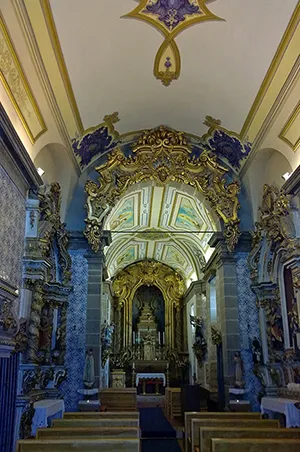
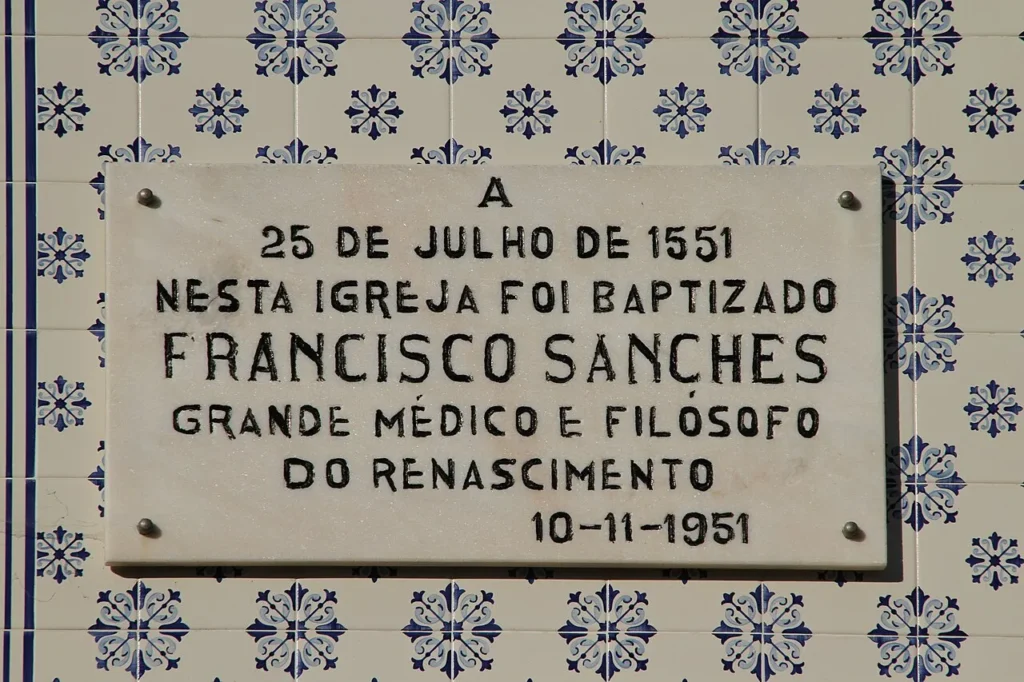
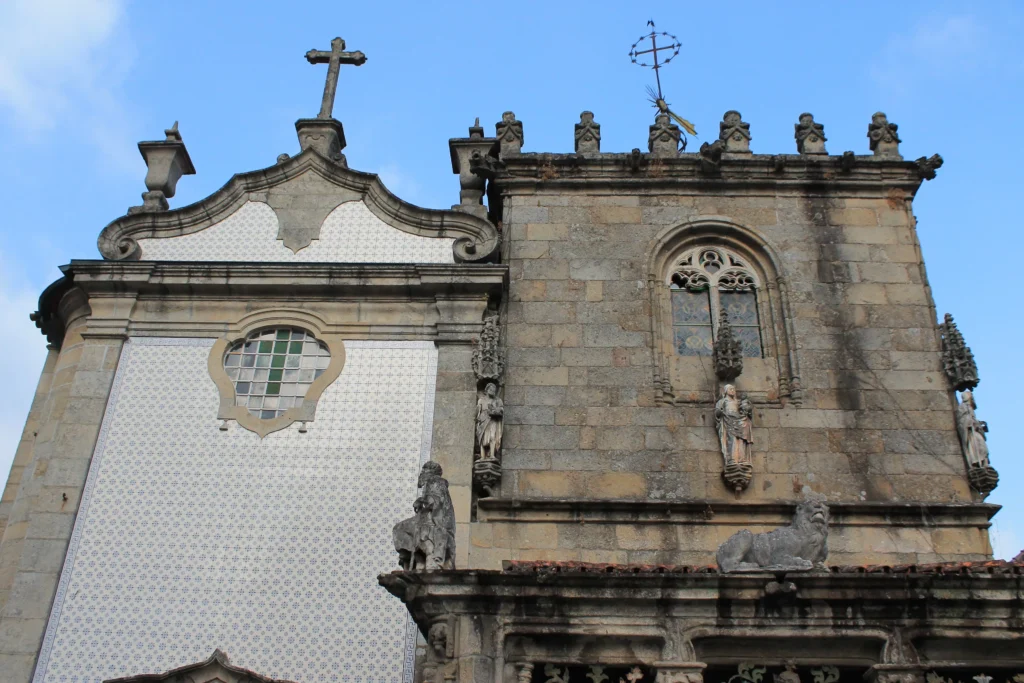
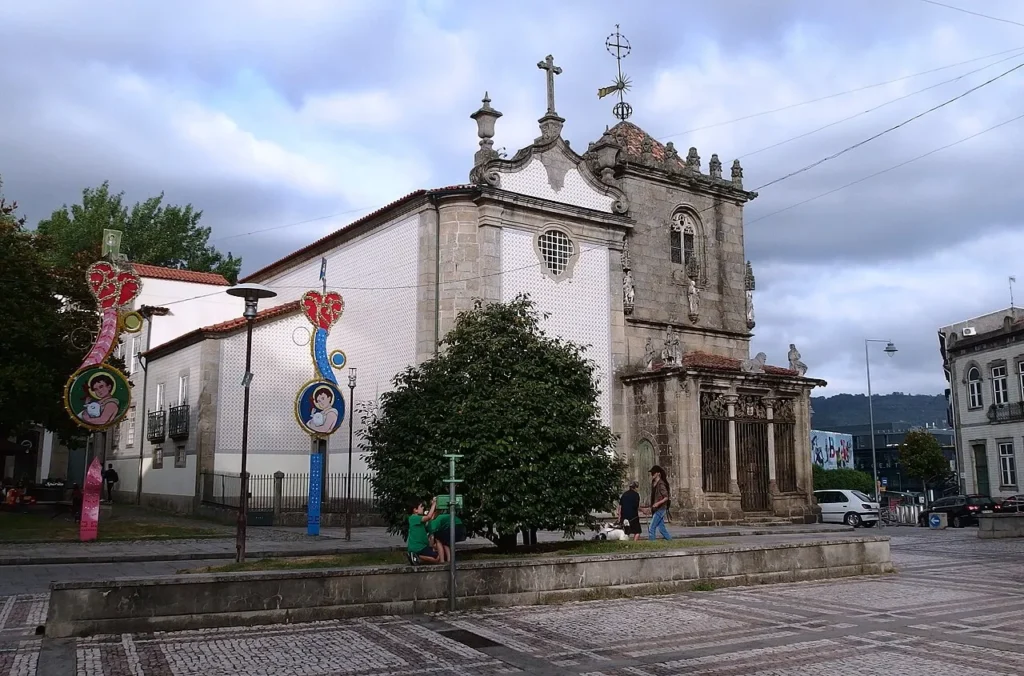
"Church in Braga where Francisco Sanches, a New Christian physician and philosopher, was baptized in 1551."

Back to Map

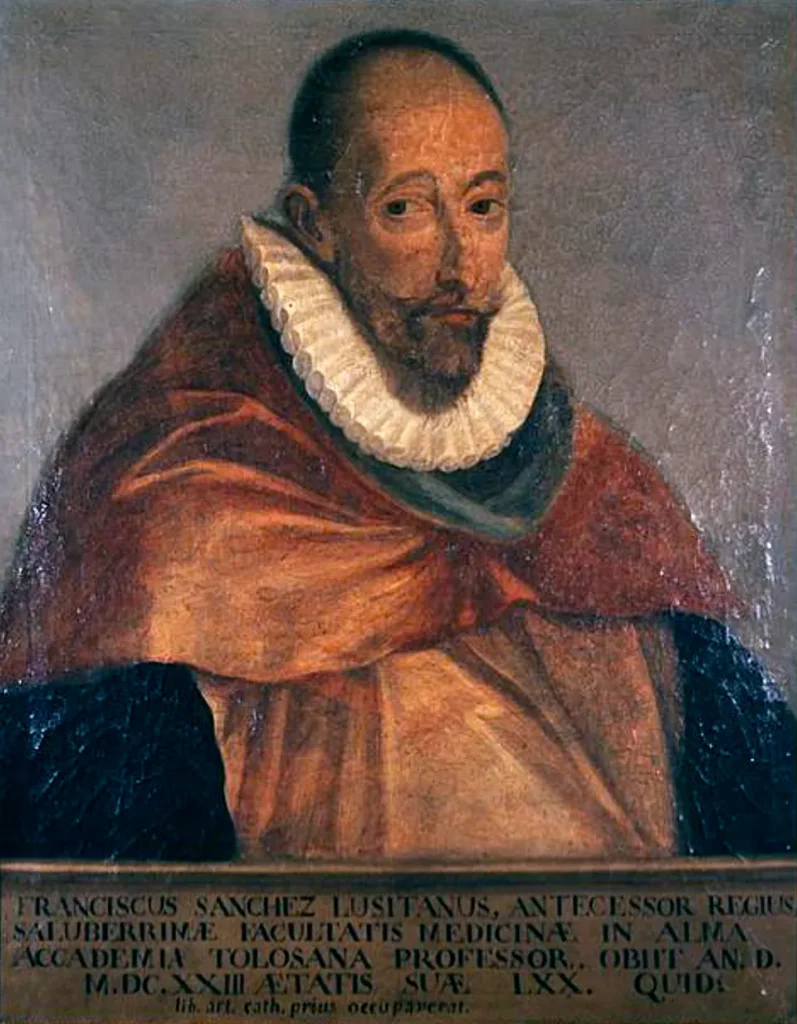
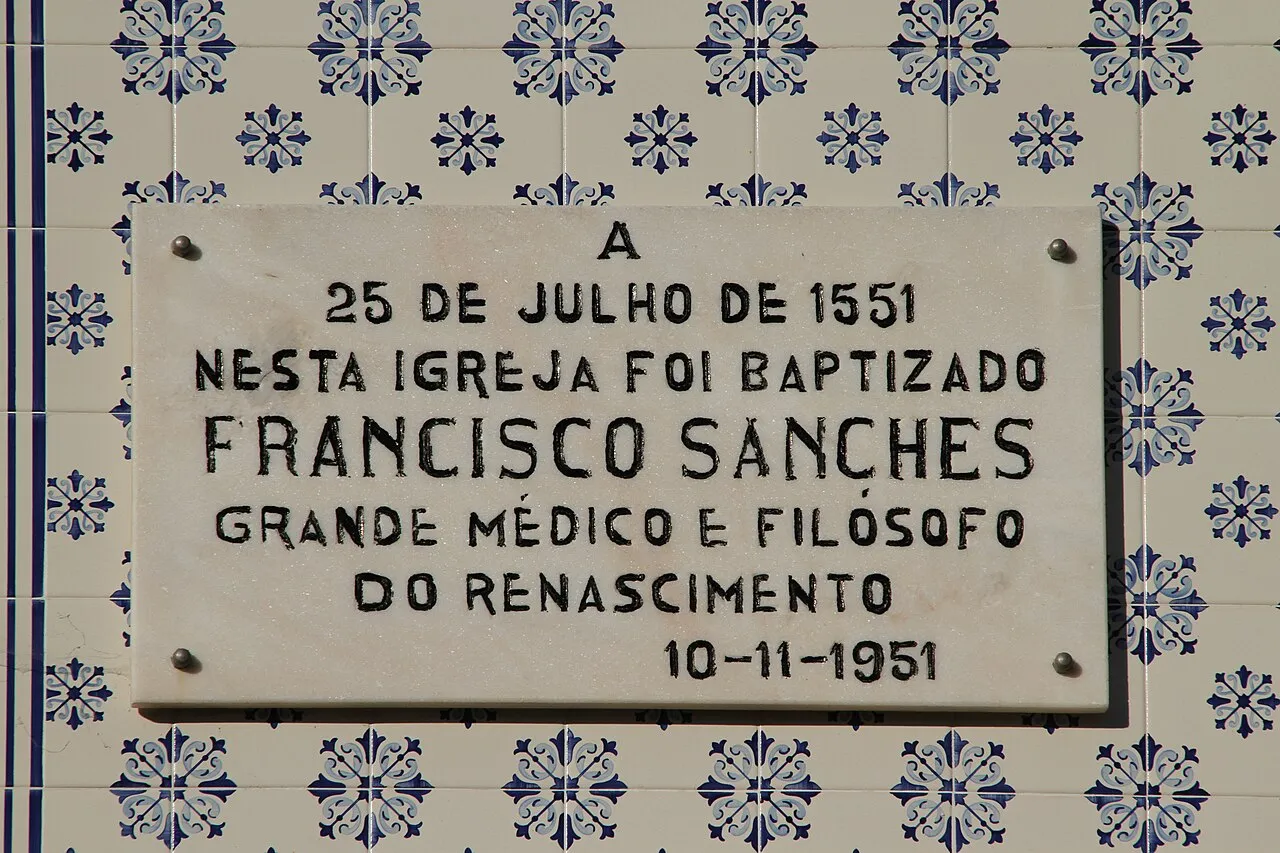
Igreja de São João do Souto, a medieval parish church documented in the twelfth century, was the place where Francisco Sanches was baptized in Braga on 25 July 1551. Born into a family of converted Jewish origin, Sanches later became one of the most important physicians and philosophers of the Iberian Renaissance.

Francisco Sanches

Francisco Sanches is best known for Quod nihil scitur (That Nothing Is Known), published in 1581, one of the key works of Renaissance skepticism. In it, he challenged scholastic authority and questioned the possibility of certainty based solely on inherited systems of knowledge. His work placed doubt, observation, and experience at the center of intellectual inquiry. Beyond philosophy, he also built an important medical career in France, especially in Toulouse, where he taught and practiced medicine.

New Christian Background

His biography belongs to the difficult world of sixteenth-century Iberia, where families of Jewish descent lived under conversion, pressure, and unstable promises of tolerance. Baptism did not erase suspicion, and incorporation into Christian society did not guarantee security. Francisco Sanches emerged from that world of New Christian vulnerability, even though his later career unfolded far beyond Braga and Portugal.

Gallery
Article researched and curated by Jew Where.

The Jew Where project is collaborative. Do you have additional information, found an inaccuracy, or have historical photos of this location? Contact our team.
Igreja de São João do Souto
Portugal / Braga / Neighborhoods & Settlements

Igreja de São João do Souto

"Church in Braga where Francisco Sanches, a New Christian physician and philosopher, was baptized in 1551."

Location
Praça Conselheiro Torres de Almeida, 19, 4700-313 Braga, Portugal

Igreja de São João do Souto, a medieval parish church documented in the twelfth century, was the place where Francisco Sanches was baptized in Braga on 25 July 1551. Born into a family of converted Jewish origin, Sanches later became one of the most important physicians and philosophers of the Iberian Renaissance.

Francisco Sanches

Francisco Sanches is best known for Quod nihil scitur (That Nothing Is Known), published in 1581, one of the key works of Renaissance skepticism. In it, he challenged scholastic authority and questioned the possibility of certainty based solely on inherited systems of knowledge. His work placed doubt, observation, and experience at the center of intellectual inquiry. Beyond philosophy, he also built an important medical career in France, especially in Toulouse, where he taught and practiced medicine.

New Christian Background

His biography belongs to the difficult world of sixteenth-century Iberia, where families of Jewish descent lived under conversion, pressure, and unstable promises of tolerance. Baptism did not erase suspicion, and incorporation into Christian society did not guarantee security. Francisco Sanches emerged from that world of New Christian vulnerability, even though his later career unfolded far beyond Braga and Portugal.

Timeline

  • 1551 Francisco Sanches was baptized at Igreja de São João do Souto in Braga on 25 July.
  • 1581 Francisco Sanches published Quod nihil scitur, also known as That Nothing Is Known.
  • 1623 Francisco Sanches died in Toulouse after a career as a physician and philosopher.

Sources & Bibliography

  1. Direção-Geral do Livro, dos Arquivos e das Bibliotecas. Francisco Sanches - Biografia. Ano: n.d. https://livro.dglab.gov.pt/sites/DGLB/Portugues/autores/Paginas/PesquisaAutores1.aspx?AutorId=7113
  2. Encyclopaedia Britannica. Francisco Sanches. Editora: Encyclopaedia Britannica. Ano: n.d. https://www.britannica.com/biography/Francisco-Sanches
  3. Pérez, Rolando. Francisco Sanches. Stanford Encyclopedia of Philosophy. Stanford: The Metaphysics Research Lab, Department of Philosophy, Stanford University. Ano: 2020. https://plato.stanford.edu/archives/win2023/entries/francisco-sanches
  4. SIPA. Igreja Paroquial de São João do Souto / Igreja de São João. Inventário do Património Arquitectónico. Ano: n.d. https://www.monumentos.gov.pt/Site/APP_PagesUser/SIPA.aspx?id=17174
  5. Arquidiocese de Braga. São João do Souto. Ano: 2026. https://www.diocese-braga.pt/local/sao-joao-do-souto-sao-joao-do-souto

Article researched and curated by Jew Where.

The Jew Where project is collaborative. Do you have additional information, found an inaccuracy, or have historical photos of this location? Contact our team.