Skip to content
Former Kaifeng Synagogue

Former Kaifeng Synagogue

"Former synagogue site of Kaifeng’s historic Jewish community, built in 1163 and destroyed in the 1642 flood that shattered the community’s textual and institutional continuity."

Back to Map

Kaifeng, a major imperial city and commercial hub on the Yellow River, is the best-known center of Jewish life in pre-modern China. The community’s own stone inscriptions (stelae) preserve its historical memory and identify a long-standing synagogue that served as the communal heart of Kaifeng Judaism for centuries.

Community origins and settlement

The Kaifeng Jews’ 1489 stele presents the community as having received imperial recognition and permission to “honor and observe the customs of your ancestors,” a formulation often cited as marking the formal consolidation of Jewish life in Kaifeng under state tolerance.

The synagogue and its location

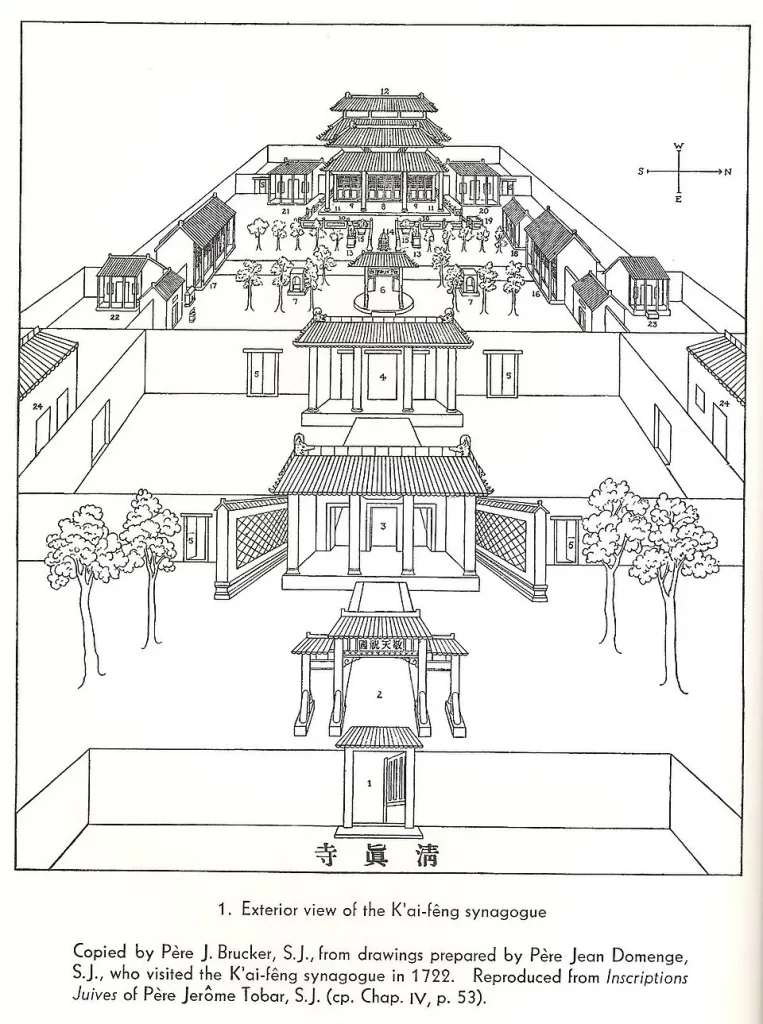
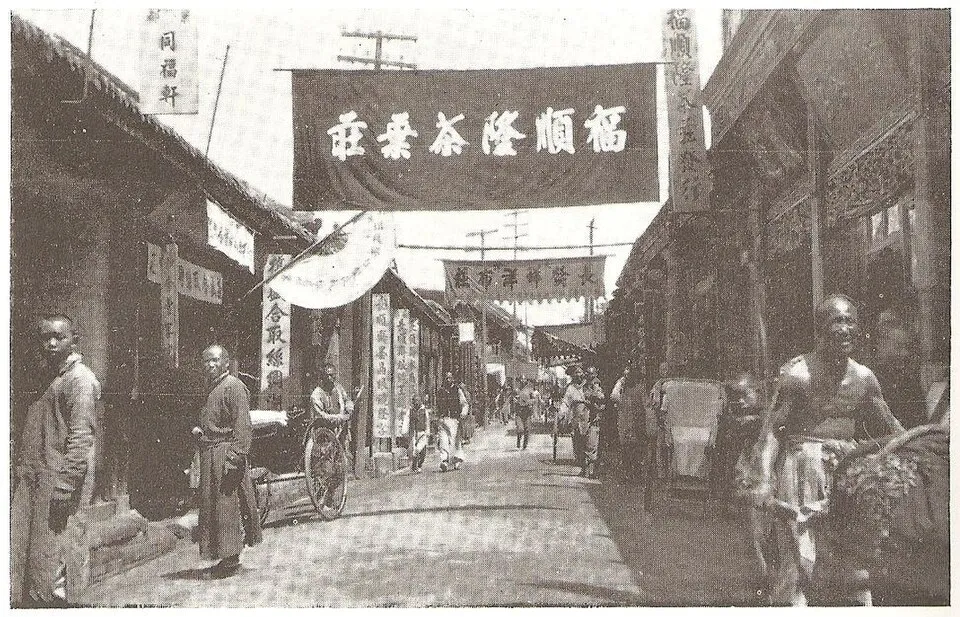
According to the 1489 stele, the synagogue was constructed in 1163, and the Sino-Judaic Institute specifies its traditional location at the intersection of Earth Market and Fire God Streets. The Kaifeng Municipal Museum preserves the original community stelae dated 1489, 1512, and 1679, which are among the most important primary sources for the synagogue’s history.

The Chinese Jewish Institute’s synoptic reading of the stelae also records that 1163 appears across multiple inscriptions (1489, 1512, 1679) as the key date connected to the synagogue, highlighting how the community itself anchored its institutional history in the Song period.

Disaster, rebuilding, and the turning point of 1642

Kaifeng’s urban history was repeatedly shaped by Yellow River flooding, and the synagogue’s life followed that pattern of destruction and reconstruction. A decisive rupture came in 1642, when the city was inundated during wartime events that destroyed major parts of Kaifeng, including the synagogue and, crucially, Jewish records, books, and burial grounds.

Modern geoarchaeological research supports the scale of the 1642 catastrophe, correlating historical accounts with archaeological and geological evidence for a massive flood event affecting Kaifeng’s urban fabric.

Later survival and decline

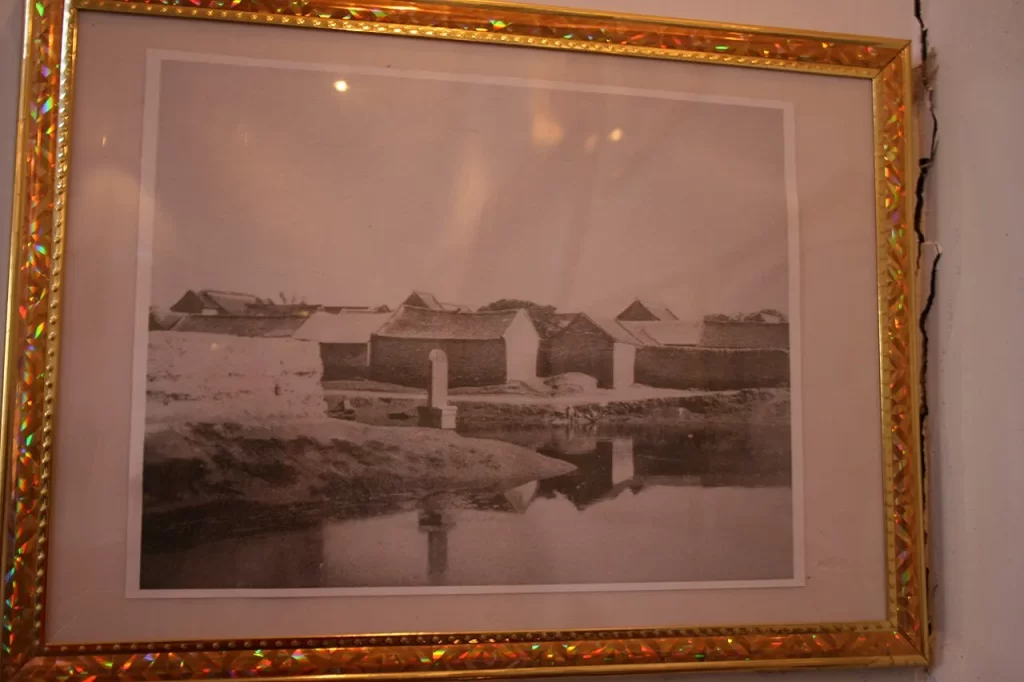
After 1642, the community continued in diminished form, but the loss of texts and institutional continuity accelerated long-term decline. Over subsequent generations, Kaifeng Jews increasingly assimilated into local society, while the synagogue ceased to function as a stable communal center. By the modern period, the synagogue no longer stood, and the surviving community memory became concentrated in the stelae, later rubbings, and scattered objects now held in local collections.

Present-day access and preservation context

The Sino-Judaic Institute reports that, as of the summer of 2015, Jewish sites in Kaifeng were closed, while the Kaifeng Municipal Museum retained the community’s principal material witnesses, including the original stelae (1489, 1512, 1679) and rubbings, reportedly accessible to visitors upon request.

Gallery
Article researched and curated by Jew Where.

The Jew Where project is collaborative. Do you have additional information, found an inaccuracy, or have historical photos of this location? Contact our team.

Former Kaifeng Synagogue
China / Kaifeng / History & Archaeology

Former Kaifeng Synagogue

"Former synagogue site of Kaifeng’s historic Jewish community, built in 1163 and destroyed in the 1642 flood that shattered the community’s textual and institutional continuity."

Location
Intersection of Earth Market Street and Fire God Street, Kaifeng, Henan, China.

Kaifeng, a major imperial city and commercial hub on the Yellow River, is the best-known center of Jewish life in pre-modern China. The community’s own stone inscriptions (stelae) preserve its historical memory and identify a long-standing synagogue that served as the communal heart of Kaifeng Judaism for centuries.

Community origins and settlement

The Kaifeng Jews’ 1489 stele presents the community as having received imperial recognition and permission to “honor and observe the customs of your ancestors,” a formulation often cited as marking the formal consolidation of Jewish life in Kaifeng under state tolerance.

The synagogue and its location

According to the 1489 stele, the synagogue was constructed in 1163, and the Sino-Judaic Institute specifies its traditional location at the intersection of Earth Market and Fire God Streets. The Kaifeng Municipal Museum preserves the original community stelae dated 1489, 1512, and 1679, which are among the most important primary sources for the synagogue’s history.

The Chinese Jewish Institute’s synoptic reading of the stelae also records that 1163 appears across multiple inscriptions (1489, 1512, 1679) as the key date connected to the synagogue, highlighting how the community itself anchored its institutional history in the Song period.

Disaster, rebuilding, and the turning point of 1642

Kaifeng’s urban history was repeatedly shaped by Yellow River flooding, and the synagogue’s life followed that pattern of destruction and reconstruction. A decisive rupture came in 1642, when the city was inundated during wartime events that destroyed major parts of Kaifeng, including the synagogue and, crucially, Jewish records, books, and burial grounds.

Modern geoarchaeological research supports the scale of the 1642 catastrophe, correlating historical accounts with archaeological and geological evidence for a massive flood event affecting Kaifeng’s urban fabric.

Later survival and decline

After 1642, the community continued in diminished form, but the loss of texts and institutional continuity accelerated long-term decline. Over subsequent generations, Kaifeng Jews increasingly assimilated into local society, while the synagogue ceased to function as a stable communal center. By the modern period, the synagogue no longer stood, and the surviving community memory became concentrated in the stelae, later rubbings, and scattered objects now held in local collections.

Present-day access and preservation context

The Sino-Judaic Institute reports that, as of the summer of 2015, Jewish sites in Kaifeng were closed, while the Kaifeng Municipal Museum retained the community’s principal material witnesses, including the original stelae (1489, 1512, 1679) and rubbings, reportedly accessible to visitors upon request.

Timeline

  • 1163 Synagogue constructed in Kaifeng at the intersection of Earth Market and Fire God Streets.
  • 1489 First surviving community stele erected.
  • 1512 Second surviving community stele erected.
  • 1642 A catastrophic Yellow River flood destroyed much of Kaifeng, including the synagogue, Jewish records, books, and burial grounds.
  • 1679 Third surviving community stele erected.
  • 2015 Jewish sites in Kaifeng were reported closed; the Kaifeng Municipal Museum retained the principal stelae and related objects.

Sources & Bibliography

  1. The Sino-Judaic Institute. Kaifeng. Local: n.d. Editora: The Sino-Judaic Institute. Ano: n.d. https://sinojudaic.org/kaifeng
  2. Encyclopaedia Britannica. Kaifeng Jew. Chinese History, Religion & Culture. Local: n.d. Editora: Encyclopaedia Britannica. Ano: n.d. https://www.britannica.com/topic/Kaifeng-Jews
  3. STOROZUM, Michael; LU, Peng; WANG, Sanying; CHEN, Panpan; YANG, Ruixia; GE, Qifeng; CAO, Jinping; WAN, Junwei; WANG, Hui; QIN, Zhen; LIU, Haiwang; PARK, Edward. Geoarchaeological evidence of the AD 1642 Yellow River flood that destroyed Kaifeng, a former capital of dynastic China. Local: n.d. Editora: Scientific Reports. Ano: 2020. https://www.nature.com/articles/s41598-020-60169-1
  4. WHITE, William Charles. Chinese Jews. A Compilation of Matters Relating to the Jews of K'ai-fêng Fu. Local: New York. Editora: Paragon Book Reprint. Ano: 1966. https://archive.org/details/lccn_66026456

Article researched and curated by Jew Where.

The Jew Where project is collaborative. Do you have additional information, found an inaccuracy, or have historical photos of this location? Contact our team.