Skip to content
Former Jewish Quarter of Tavira

Former Jewish Quarter of Tavira

"Medieval Jewish quarter documented in Tavira’s charters, tax records and chanceries, later dissolved after 1497 and linked to today’s Rua Marquês da Fronteira area."

Back to Map

Jewish presence in Tavira is documented from the thirteenth and fourteenth centuries onward, primarily through rents, royal charters, and Jewish tax registers preserved in the National Archives of Torre do Tombo. These sources confirm that Tavira was one of the main Algarvian towns with an organized Jewish community, integrated into the fiscal system of the kingdom and subject to the specific obligations defined by royal legislation for the judiarias. The Charter of Tavira, confirmed by King Afonso III and later by King Dinis and King Afonso IV, mentions Jewish residents subject to the same general taxes as Christians, while also required to pay taxes specific to Jewish communities, as set out in the Afonsine Ordinances. These norms established how the judiarias were to function, the degree of autonomy they possessed, and how they were to be integrated within the medieval urban fabric.

The rents and Jewish tax registers of the fourteenth and fifteenth centuries, essential documents for the fiscal history of the kingdom, include Tavira among the localities with taxable Jewish households. It is in these records that names such as Judas Abenamram and Abraão Abenamram appear, associated with commercial activities linked to the port, as well as Jacob Aboab and Isaac Negro, who recur repeatedly as taxpayers of the town. The title Mestre Samuel, a physician or surgeon active in Tavira, reveals the presence of qualified professionals within the community, while names such as Mosse Ben Luali, Joseph Melamed, and David Refofaço reflect a diversity of occupations, from merchants to specialized artisans, supporting the local economy. The recurrence of these names across different years indicates communal continuity and sustained participation in Tavira’s economic life, at a time when the town was a dynamic port center in the medieval Algarve.

Royal chanceries from the reigns of Afonso V and João II further reinforce Jewish presence in the city, mentioning Jews involved in the collection of rents, urban provisioning, and port transactions. Although brief, these documents attest that the Jews of Tavira were regarded as reliable economic agents, recognized by royal administration and integrated into the fiscal and commercial functioning of the city.

The location of the judiaria emerges from the intersection of this documentation with urban studies by Maria José Ferro Tavares, Elvira Mea, and other scholars of medieval Algarvian history. The Jewish quarter was situated within the intramural nucleus, in the area corresponding to present-day Rua Marquês da Fronteira, on the slope of the castle. This zone, inhabited since the Islamic period and densely occupied after the Christian reconquest, displays the typical pattern of Portuguese judiarias: narrow streets, contiguous houses, and proximity to the administrative center. After 1497, when the community was dissolved through forced conversions, several former Jewish properties appear redistributed to New Christians bearing surnames such as Rodrigues, Álvares, Henriques, and Nunes, further reinforcing the spatial identification of the former judiaria.

Taken together, the charters, rents, tax registers, chanceries, and post-conversion records allow for the reconstruction of a picture of a small yet economically significant community, aligned with the maritime and commercial dynamics of medieval Tavira. The judiaria disappeared physically as an autonomous unit after 1497, but the preserved documentation left a clear trace of those who lived there and contributed to the city’s development. Today, the Judiaria of Tavira remains identifiable not through architectural remains, but through the coherence of medieval documents, which make it possible to link the present-day topography to the concrete lives of the Jews who inhabited this urban sector for more than two centuries.

Gallery
Article researched and curated by Jew Where.

The Jew Where project is collaborative. Do you have additional information, found an inaccuracy, or have historical photos of this location? Contact our team.
Former Jewish Quarter of Tavira
Portugal / Faro / Neighborhoods & Settlements

Former Jewish Quarter of Tavira

"Medieval Jewish quarter documented in Tavira’s charters, tax records and chanceries, later dissolved after 1497 and linked to today’s Rua Marquês da Fronteira area."

Location
Rua Marquês da Fronteira, 8800 Tavira, Portugal

Jewish presence in Tavira is documented from the thirteenth and fourteenth centuries onward, primarily through rents, royal charters, and Jewish tax registers preserved in the National Archives of Torre do Tombo. These sources confirm that Tavira was one of the main Algarvian towns with an organized Jewish community, integrated into the fiscal system of the kingdom and subject to the specific obligations defined by royal legislation for the judiarias. The Charter of Tavira, confirmed by King Afonso III and later by King Dinis and King Afonso IV, mentions Jewish residents subject to the same general taxes as Christians, while also required to pay taxes specific to Jewish communities, as set out in the Afonsine Ordinances. These norms established how the judiarias were to function, the degree of autonomy they possessed, and how they were to be integrated within the medieval urban fabric.

The rents and Jewish tax registers of the fourteenth and fifteenth centuries, essential documents for the fiscal history of the kingdom, include Tavira among the localities with taxable Jewish households. It is in these records that names such as Judas Abenamram and Abraão Abenamram appear, associated with commercial activities linked to the port, as well as Jacob Aboab and Isaac Negro, who recur repeatedly as taxpayers of the town. The title Mestre Samuel, a physician or surgeon active in Tavira, reveals the presence of qualified professionals within the community, while names such as Mosse Ben Luali, Joseph Melamed, and David Refofaço reflect a diversity of occupations, from merchants to specialized artisans, supporting the local economy. The recurrence of these names across different years indicates communal continuity and sustained participation in Tavira’s economic life, at a time when the town was a dynamic port center in the medieval Algarve.

Royal chanceries from the reigns of Afonso V and João II further reinforce Jewish presence in the city, mentioning Jews involved in the collection of rents, urban provisioning, and port transactions. Although brief, these documents attest that the Jews of Tavira were regarded as reliable economic agents, recognized by royal administration and integrated into the fiscal and commercial functioning of the city.

The location of the judiaria emerges from the intersection of this documentation with urban studies by Maria José Ferro Tavares, Elvira Mea, and other scholars of medieval Algarvian history. The Jewish quarter was situated within the intramural nucleus, in the area corresponding to present-day Rua Marquês da Fronteira, on the slope of the castle. This zone, inhabited since the Islamic period and densely occupied after the Christian reconquest, displays the typical pattern of Portuguese judiarias: narrow streets, contiguous houses, and proximity to the administrative center. After 1497, when the community was dissolved through forced conversions, several former Jewish properties appear redistributed to New Christians bearing surnames such as Rodrigues, Álvares, Henriques, and Nunes, further reinforcing the spatial identification of the former judiaria.

Taken together, the charters, rents, tax registers, chanceries, and post-conversion records allow for the reconstruction of a picture of a small yet economically significant community, aligned with the maritime and commercial dynamics of medieval Tavira. The judiaria disappeared physically as an autonomous unit after 1497, but the preserved documentation left a clear trace of those who lived there and contributed to the city’s development. Today, the Judiaria of Tavira remains identifiable not through architectural remains, but through the coherence of medieval documents, which make it possible to link the present-day topography to the concrete lives of the Jews who inhabited this urban sector for more than two centuries.

Timeline

  • 13th century Jewish presence is documented in Tavira from the thirteenth century onward.
  • 14th-15th centuries Fiscal registers, rents and royal chanceries record an organized Jewish community in Tavira.
  • 1497 Forced conversion ended the judiaria as an autonomous Jewish communal unit.
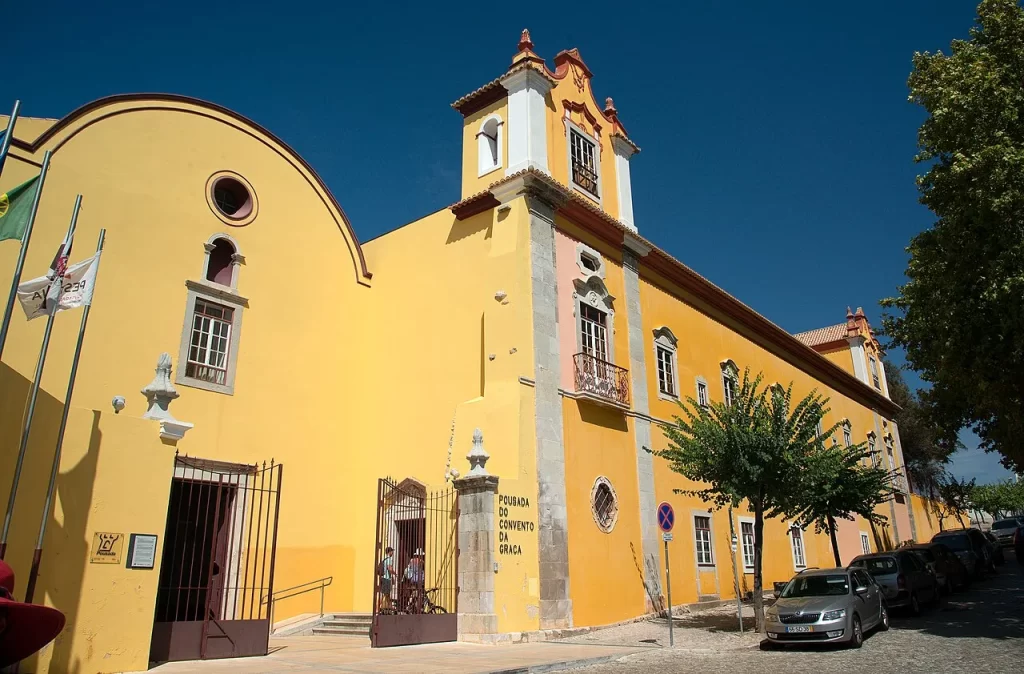
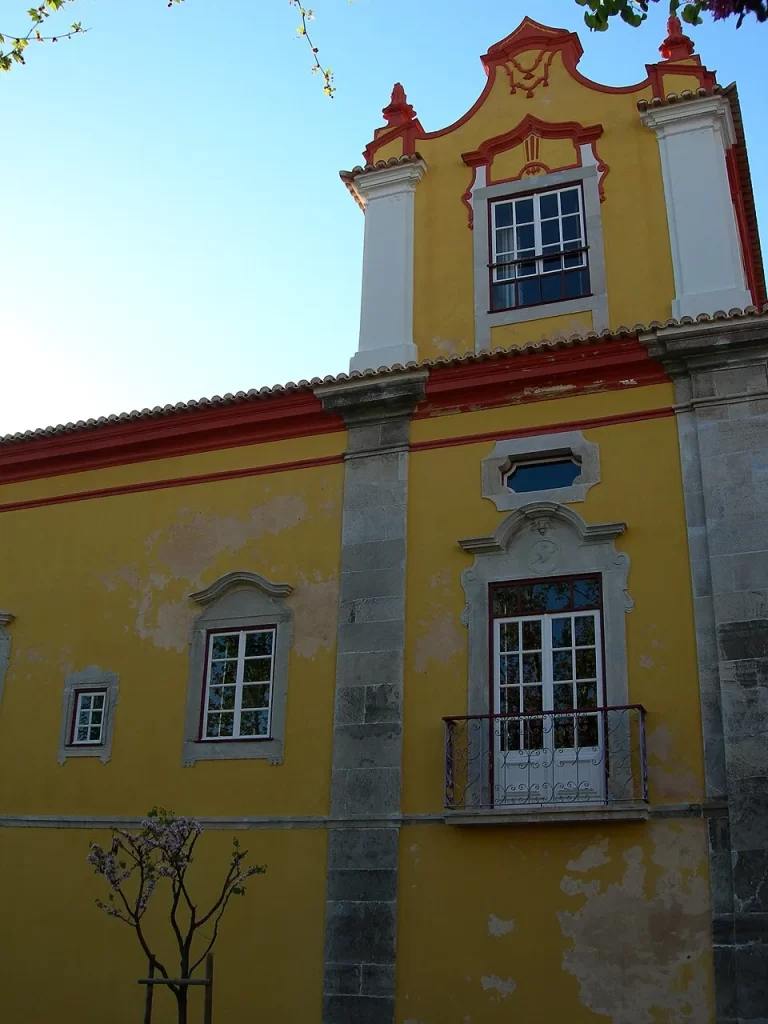
  • 1542 The Augustinian convent of Nossa Senhora da Graça was founded in the area of the former judiaria.

Sources & Bibliography

  1. TAVARES, Maria José Pimenta Ferro. Os Judeus em Portugal no Século XV. 1.ª ed. Local: Lisboa. Editora: Universidade Nova de Lisboa, Faculdade de Ciências Sociais e Humanas. Ano: 1982-1984. https://search.worldcat.org/title/Os-judeus-em-Portugal-no-seculo-XV/oclc/13328370
  2. IRIA, Alberto. Os Judeus no Algarve Medieval e o Cemitério Israelita de Faro do Século XIX. História e epigrafia. Local: Lisboa. Editora: Academia das Ciências de Lisboa. Ano: 1986. https://biblioteca.acad-ciencias.pt/SearchResult.aspx?search=_OB%3A%2B_QT%3AAS__Q%3AJUDEUS+--+GENEALOGIA+--+ALGARVE+%28PORTUGAL%29+--+SEC.+18-20_EQ%3AT_D%3AT
  3. ARQUIVO NACIONAL TORRE DO TOMBO. Chancelaria de D. Afonso IV. Local: Lisboa. Editora: Direção-Geral do Livro, dos Arquivos e das Bibliotecas. Ano: n.d. https://digitarq.arquivos.pt/documentDetails/937e7a18479e458cb3395807a53847af
  4. ARQUIVO NACIONAL TORRE DO TOMBO. Índice da Chancelaria de D. João II: próprios: letras A a H. Local: Lisboa. Editora: Direção-Geral do Livro, dos Arquivos e das Bibliotecas. Ano: 2008. https://digitarq.arquivos.pt/documentDetails/3a0c4569c65e4a33885d85d4e7fe0c8f
  5. MUNICÍPIO DE TAVIRA. Roteiro Histórico de Tavira. Local: Tavira. Editora: Câmara Municipal de Tavira. Ano: n.d. https://cm-tavira.pt/site/wp-content/uploads/2021/08/Roteiro-Historico_PT_low.pdf
  6. MUNICÍPIO DE TAVIRA. Património Religioso. Local: Tavira. Editora: Câmara Municipal de Tavira. Ano: n.d. https://cm-tavira.pt/site/descobrir/igrejas
  7. ARQUIVO MUNICIPAL DE TAVIRA. Provedoria da Comarca de Tavira. Local: Tavira. Editora: Câmara Municipal de Tavira. Ano: n.d. https://arquivo.cm-tavira.pt/index.php/provedoria-da-comarca-de-tavira-2

Additional Information

Official website: https://cm-tavira.pt/site/descobrir/igrejas/

Article researched and curated by Jew Where.

The Jew Where project is collaborative. Do you have additional information, found an inaccuracy, or have historical photos of this location? Contact our team.