

In the Late Middle Ages, Alvor functioned as a coastal town with a port-oriented and productive profile, linked to fishing, salt production, and the circulation of goods between sea and hinterland. Jewish presence in the town is indicated by local syntheses, which record that in the final decades of the fifteenth century there was a judiaria in Alvor, as in other relevant settlements of the Algarve. A particularly strong documentary datum appears in connection with the rents and rights of the local lordship: in a royal grant by King Afonso V to the alcaide Álvaro de Ataíde, the list of revenues from Alvor explicitly includes the “new and old service of the Jews”, that is, specific taxation levied on a Jewish minority that was effectively present and accounted for. This type of reference does not describe names, streets, or a building, but it does prove fiscal framing and communal existence, sufficient to support the conclusion that Alvor had a structured Jewish nucleus in the late fifteenth century.
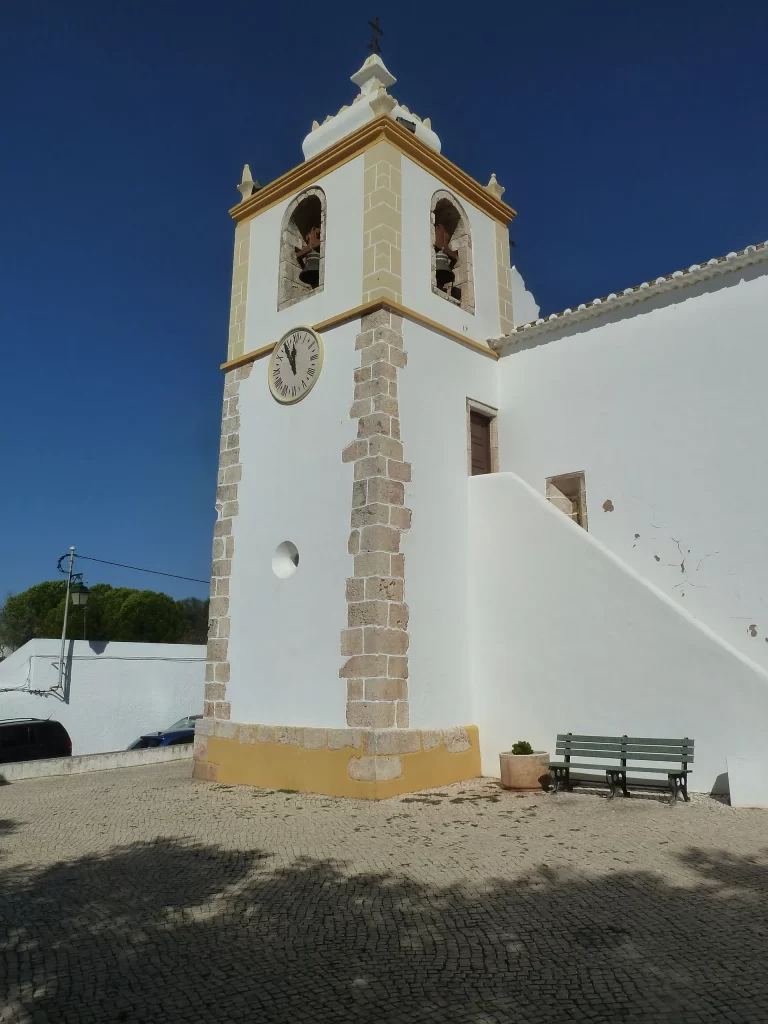
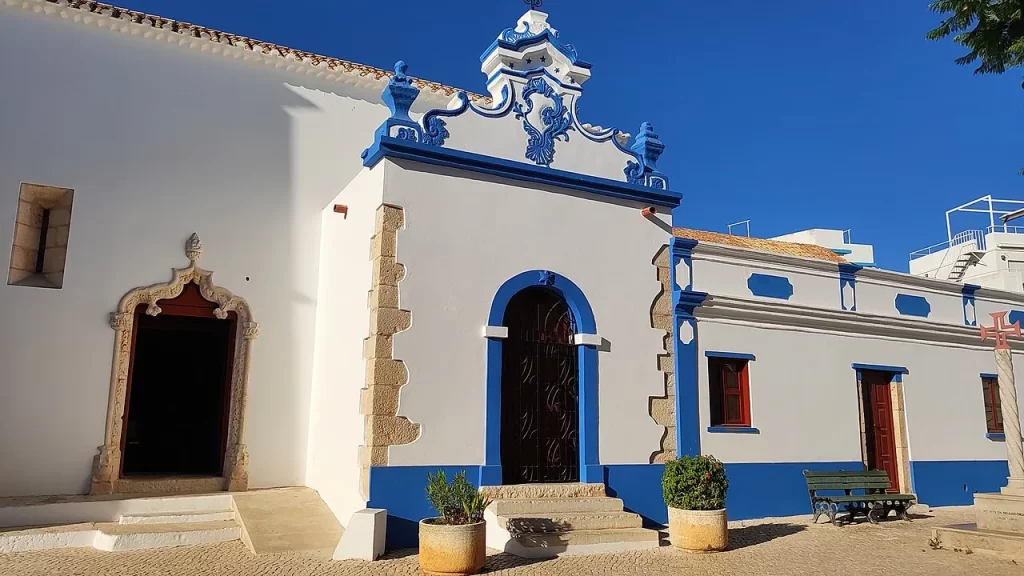
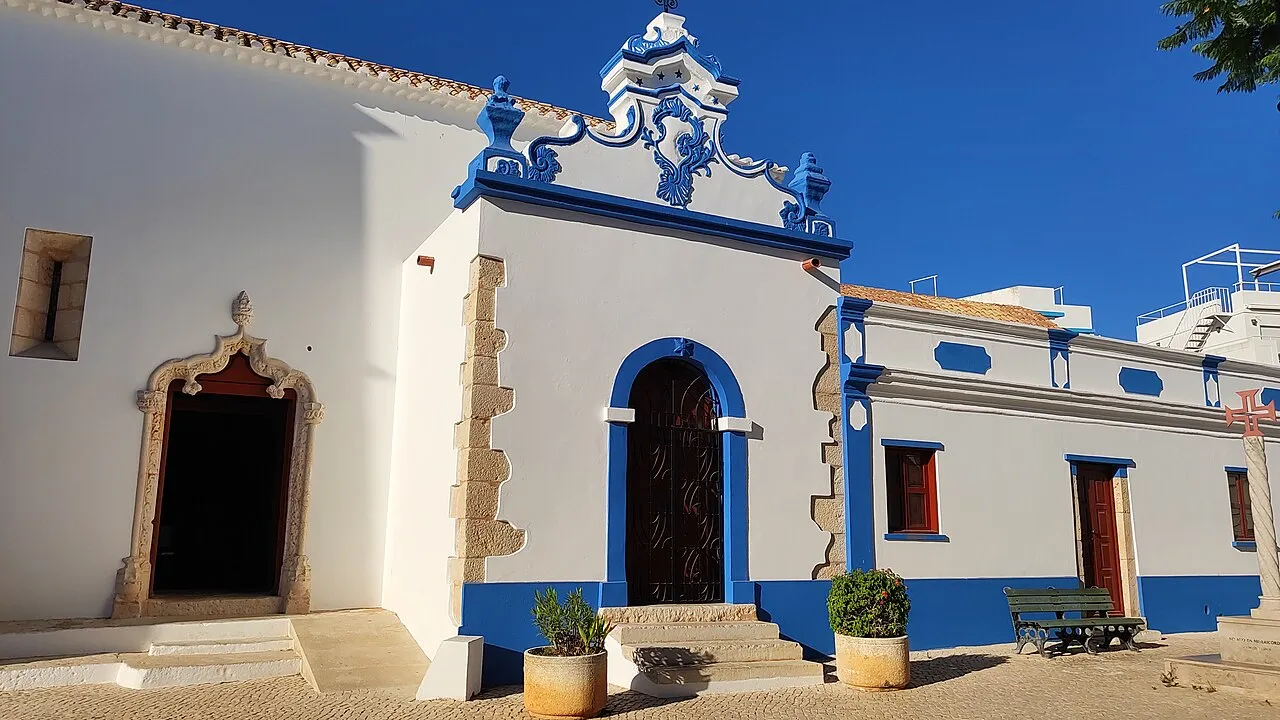
The rupture came with the measures of 1496–1497 enacted by King Manuel I, which imposed expulsion or conversion, formally dissolving Jewish communities and, with them, the judiaria as an identifiable communal space. Thereafter, what tends to survive is memory and indirect documentation rather than clear material remains. In the following centuries, the framework of the New Christians and the establishment of the Holy Office in 1536 created an environment of surveillance and denunciation that also affected Algarvian towns, and Alvor appears included in the networks of circulation and proceedings linked to the tribunal of Évora. Today, no medieval synagogue, medieval Jewish cemetery, or clearly recognizable “Jewish quarter” has been consensually identified on the ground. What remains as a basis for historical reading is the old nucleus of Alvor and its late medieval and early modern heritage, including the parish church and its Manueline portal, studied in academic literature, which frames the moment of transition in which the judiaria formally disappeared. As for the nineteenth century, synthetic references on Alvor focus on the late medieval judiaria and do not usually point to an organized Jewish communal return to the town in that period.
Gallery
Article researched and curated by Jew Where.
The Jew Where project is collaborative. Do you have additional information, found an inaccuracy, or have historical photos of this location? Contact our team.
Community notes
Comments
Logged-in visitors can submit comments for moderation before they appear publicly.
No comments yet.
Log in to leave a comment. Go to Account.